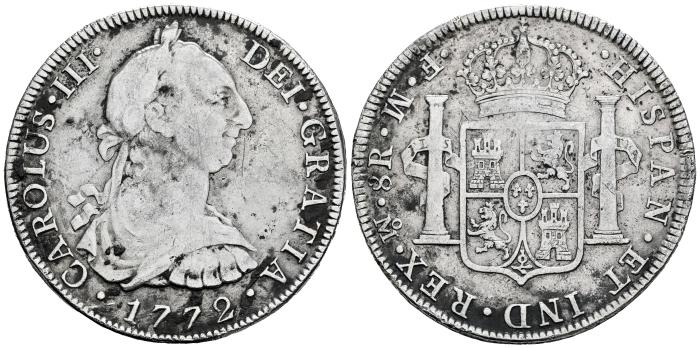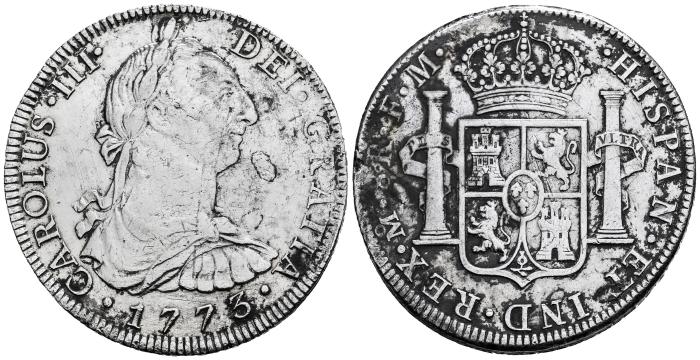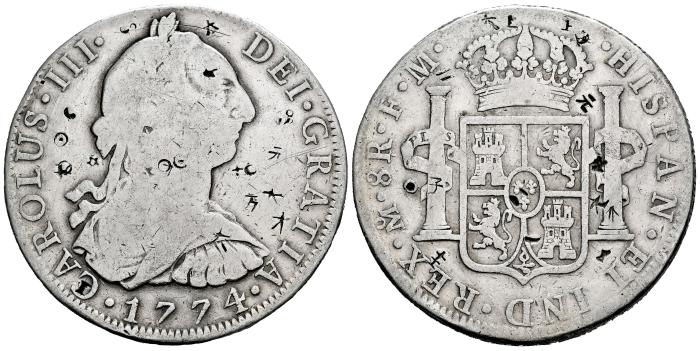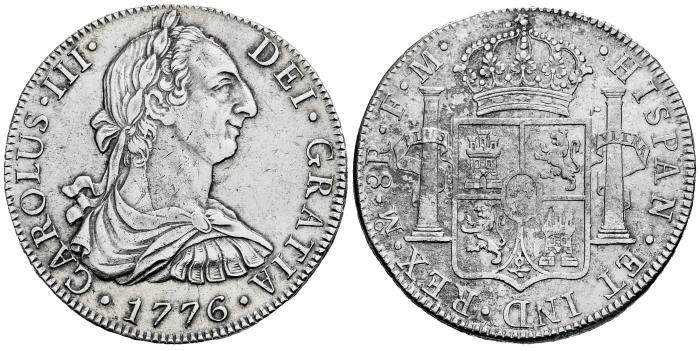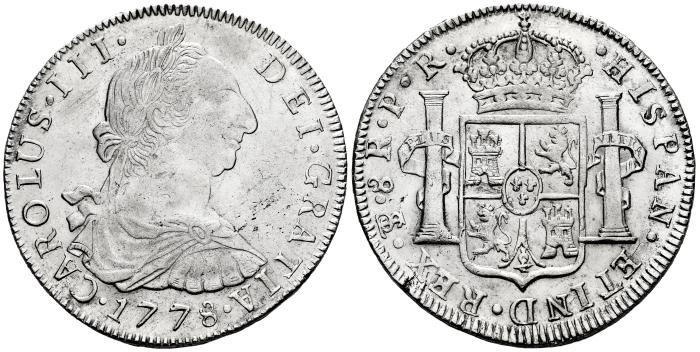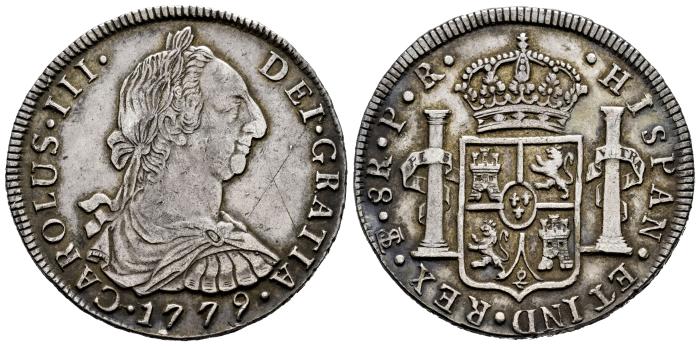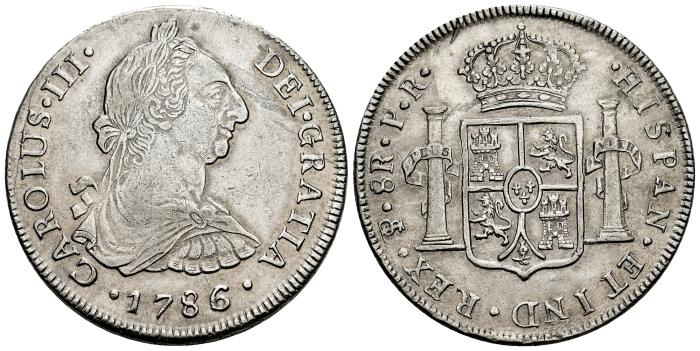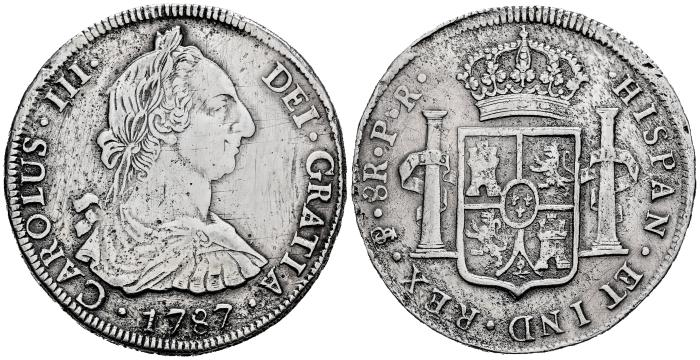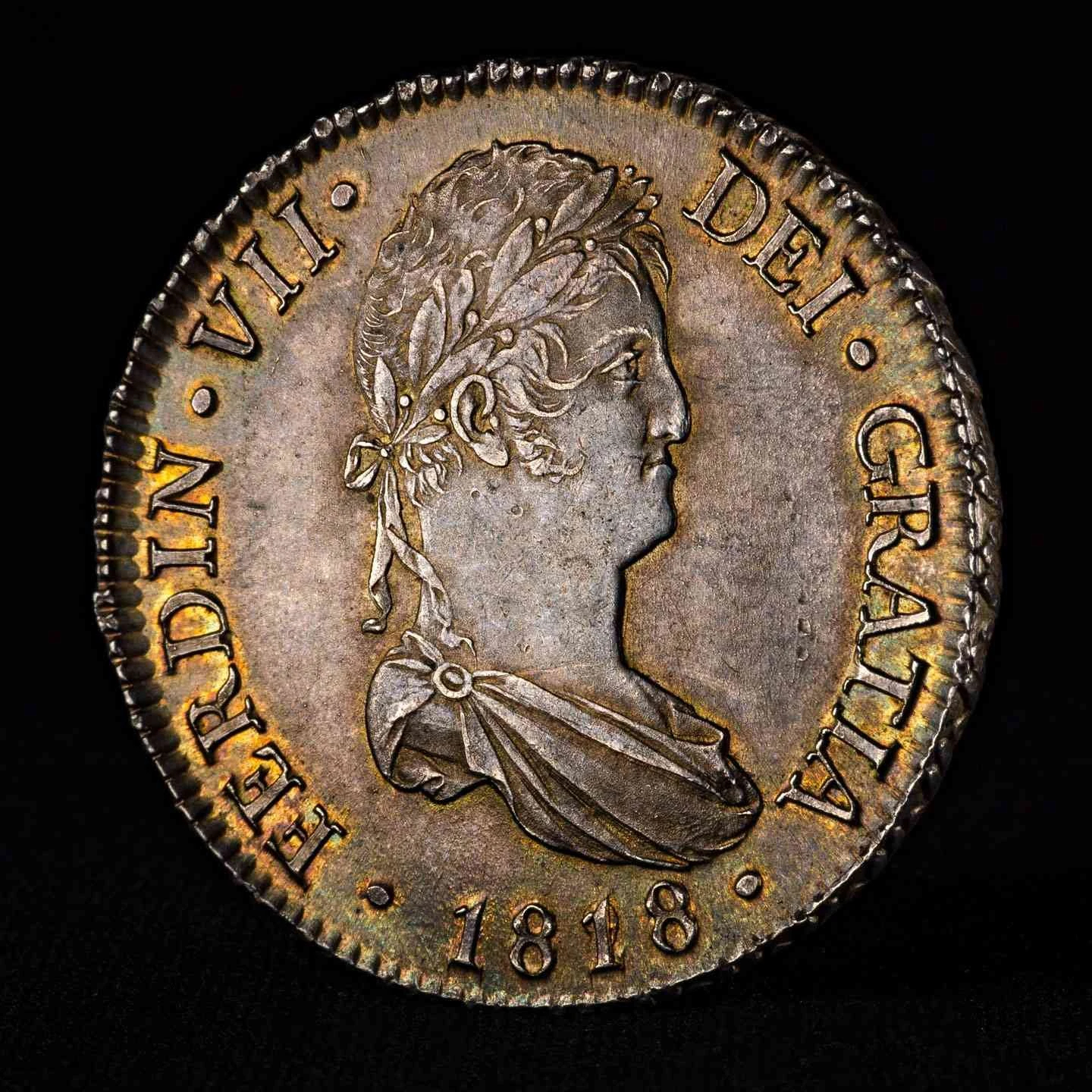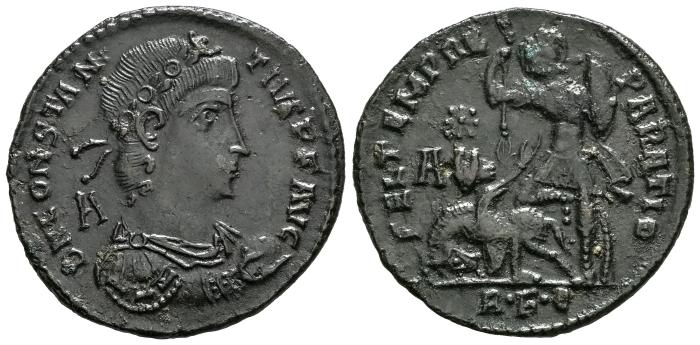
Constantius II. Centenionalis. 350 AD. Rome. (Ric-VIII 176). (LRBC-589). (Tesorillo-Constancio II 17, Plate Coin). Anv.: D N CONSTANTIVS P F AVG, pearl diademed, draped and cuirassed bust to right, holding globe; A behind. Rev.: FEL TEMP REPARATIO, soldier advancing to left, holding shield, spearing fallen horseman, A in left field, star above; R·F·(E or B) in exergue. . 4,72 g. Very rare. Ex Soler & Llach (May 2009), lot 3022. Choice VF/VF. Est...100,00.
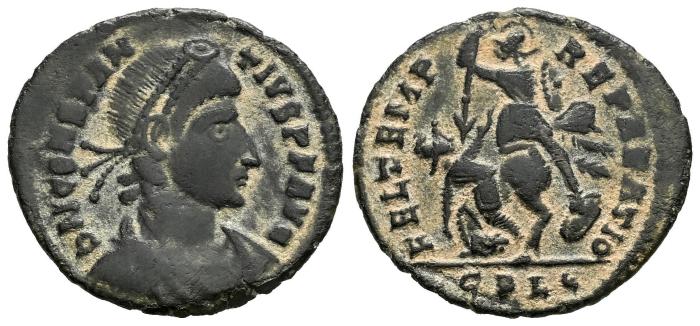
Constantius II. Centenionalis. 355-356 AD. Lugdunum. (Ric-VIII 189). (Lyon-240). (Tesorillo-Constancio II 21, plate Coin). Anv.: D N CONSTANTIVS P F AVG. Pearl-diademed, draped and cuirassed bust right. Rev.: FEL TEMP REPARATIO. Helmeted soldier with shield to left, spearing falling horseman; CPLG in exergue. . 2,19 g. VF. Est...50,00.
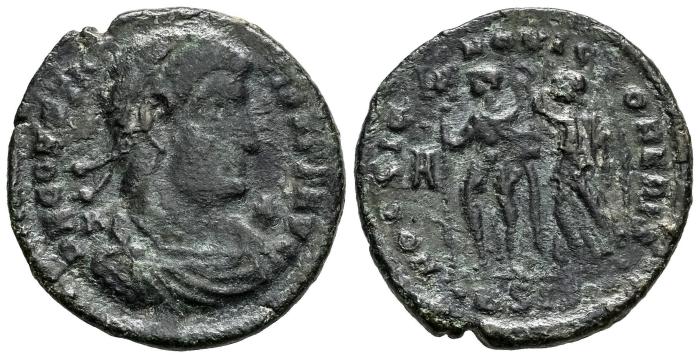
Constantius II. Centenionalis. 350 AD. Siscia. Minted by Vetranio in the name of Constantius II. (Ric-VIII 286). (Tesorillo-Vetranio 3, Plate Coin). Anv.: D N CONSTANTIVS P F AVG, pearl-diademed, draped and cuirassed bust right; A behind, star before. Rev.: HOC SIGNO VICTOR ERIS, Constantius standing facing, head left, holding labarum and spear being crowned by Victory standing left and holding palm frond; • BSIS• in exergue. . 4,75 g. Ex Ancient Delights, at the present Mayor 25. (November 2004). Almost VF. Est...60,00.
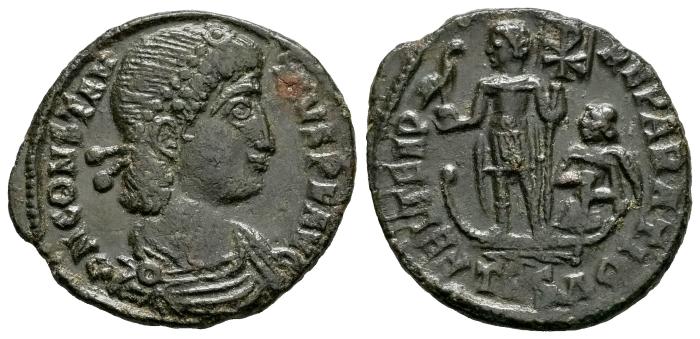
Constantius II. 1/2 centenional. 348-350 AD. Thessalonica. (Ric-VIII 107). (Tesorillo-Constancio II 41, Plate Coin). Anv.: D N CONSTANTIVS P F AVG, pearl diademed, draped and cuirassed bust to right. Rev.: FEL TEMP REPARATIO, emperor on galley sailing to left, holding phoenix on globe and labarum, Victory seated steering at helm; TESΔ in exergue. . 2,68 g. Choice VF. Est...50,00.
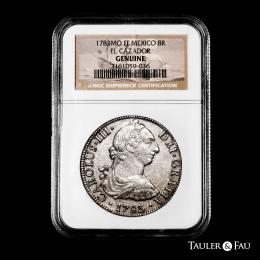
El Cazador
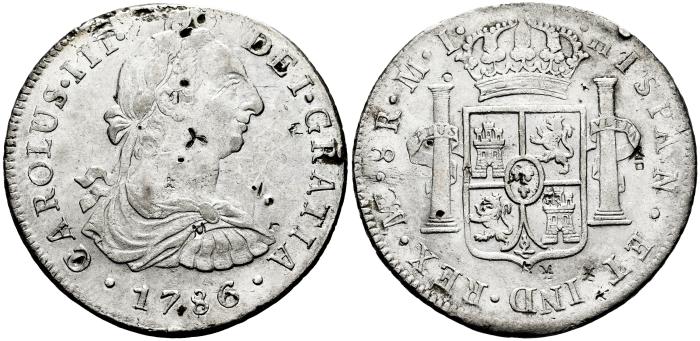
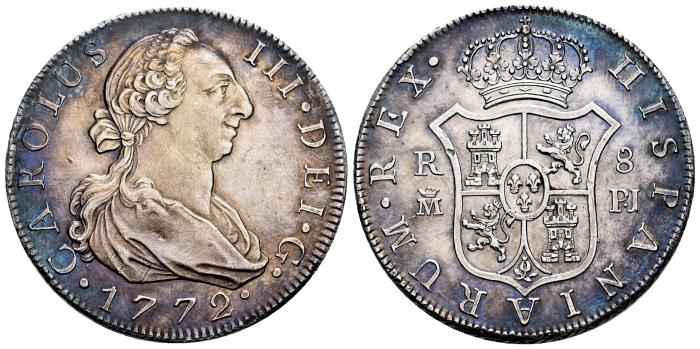
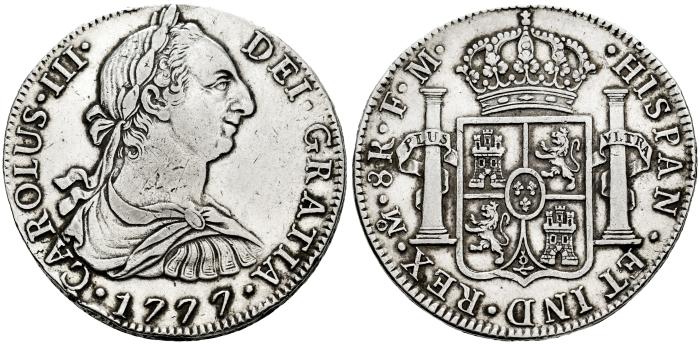
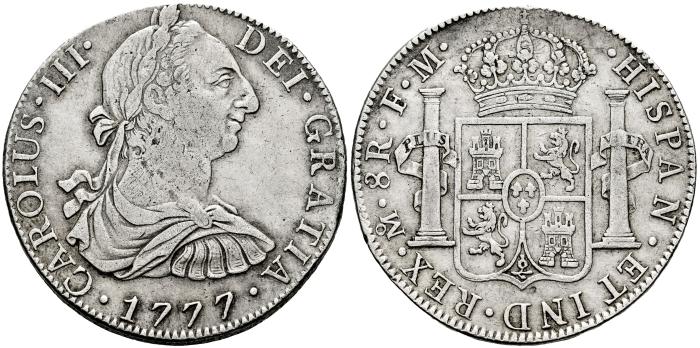
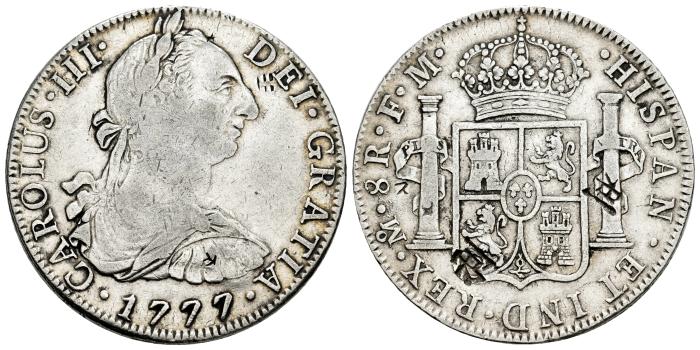
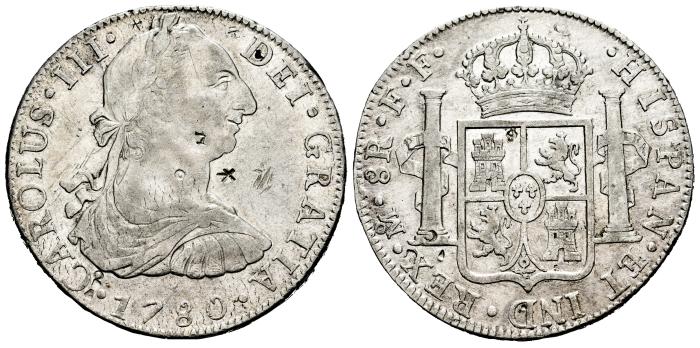
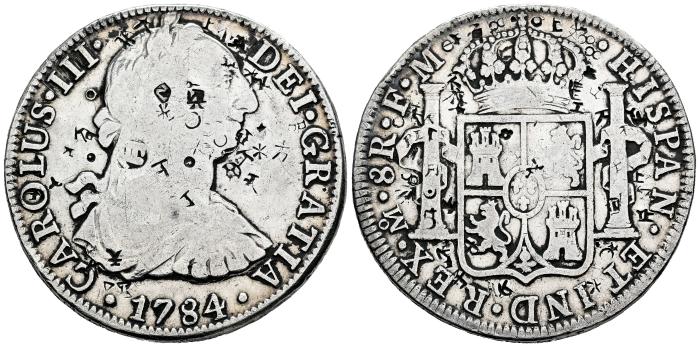
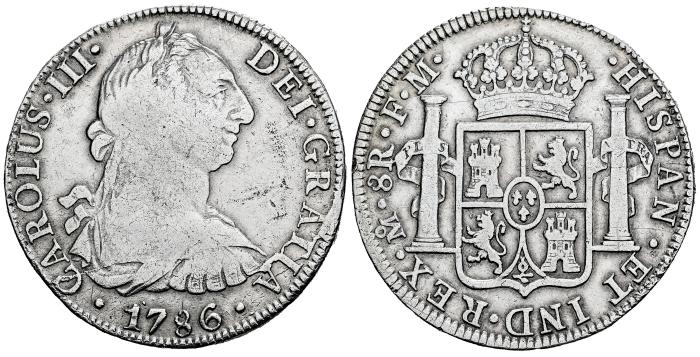
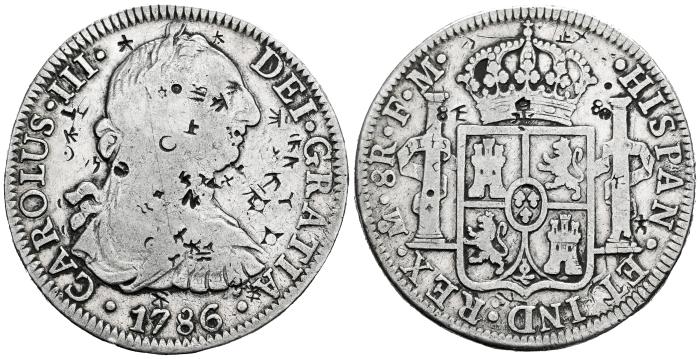
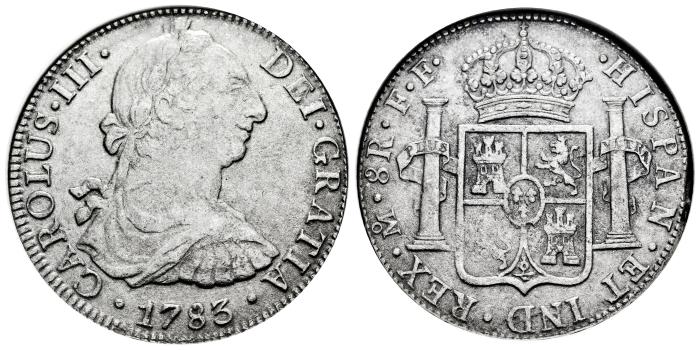
Charles III (1759-1788). 8 reales. 1783. Mexico. FF. (Cal-1124). . Recovered from: El Cazador, sunk in 1784 in the Gulf of Mexico. Special label "Shipwreck Certification". Slabbed by NGC as Genuine.
In 1784, the Spanish frigate El Cazador set sail from Veracruz bound for New Orleans, carrying a large shipment of silver coins to alleviate the cash shortage in Spanish Louisiana. The region was facing an economic crisis that affected trade and administration, making the arrival of this cargo crucial. However, on January 11 of that year, El Cazador departed and never reached its destination. It is believed to have sunk in the Gulf of Mexico, possibly due to a storm or a navigation error, resulting in the loss of its valuable cargo. This disaster worsened Louisiana's economic instability and weakened Spain's control over the territory. As a consequence, Spain eventually returned the region to France in 1803, and shortly after, Napoleon sold it to the United States in the famous Louisiana Purchase. Centuries later, in 1993, a fishing boat discovered a treasure trove of coins at the bottom of the Gulf of Mexico, finally confirming the story of El Cazador and its tragic fate. Est...300,00.
X
Confirm your maximum bid
Conecting
 English
 Español




 0
0
 0
0