English
 Español
X
Historical Background
Ended
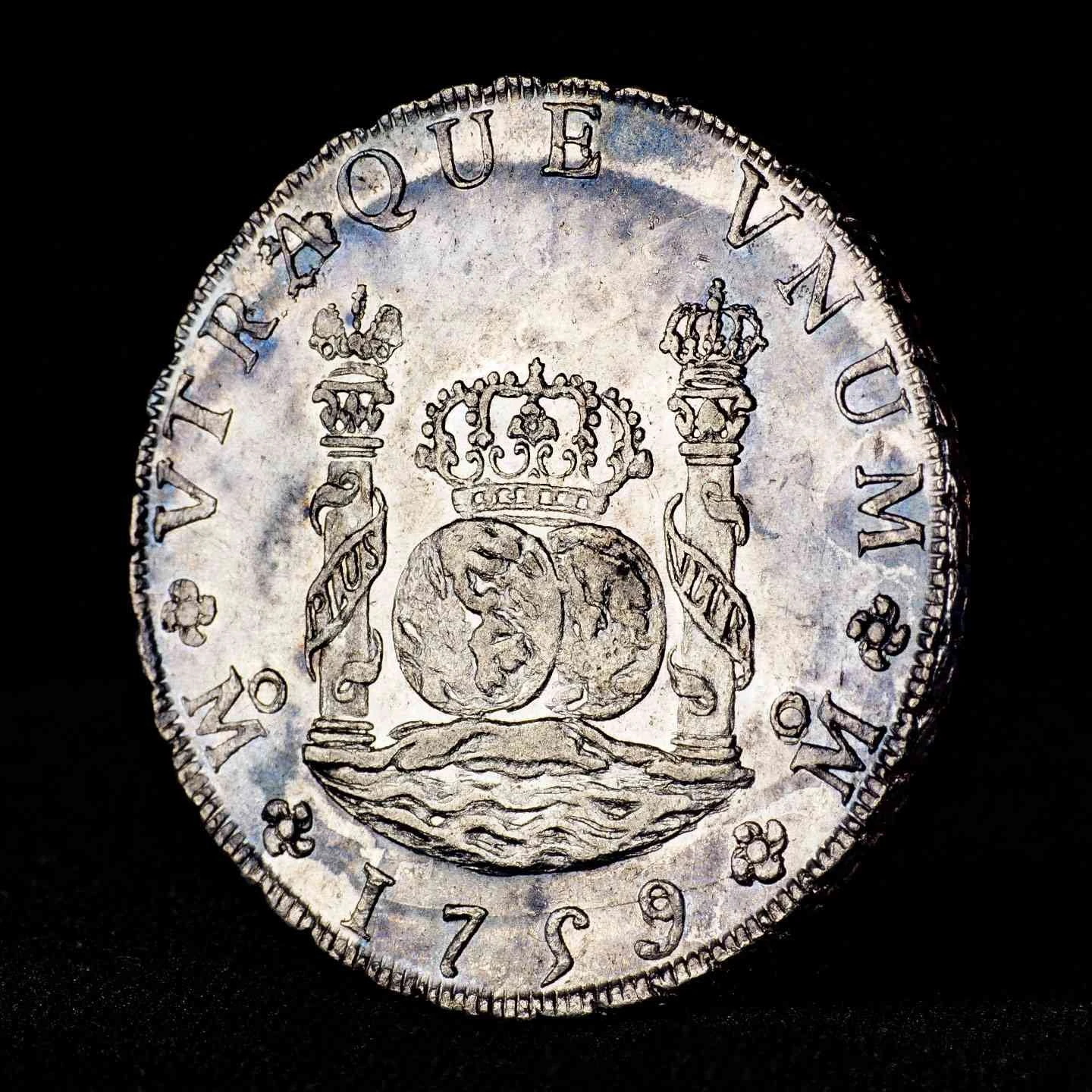
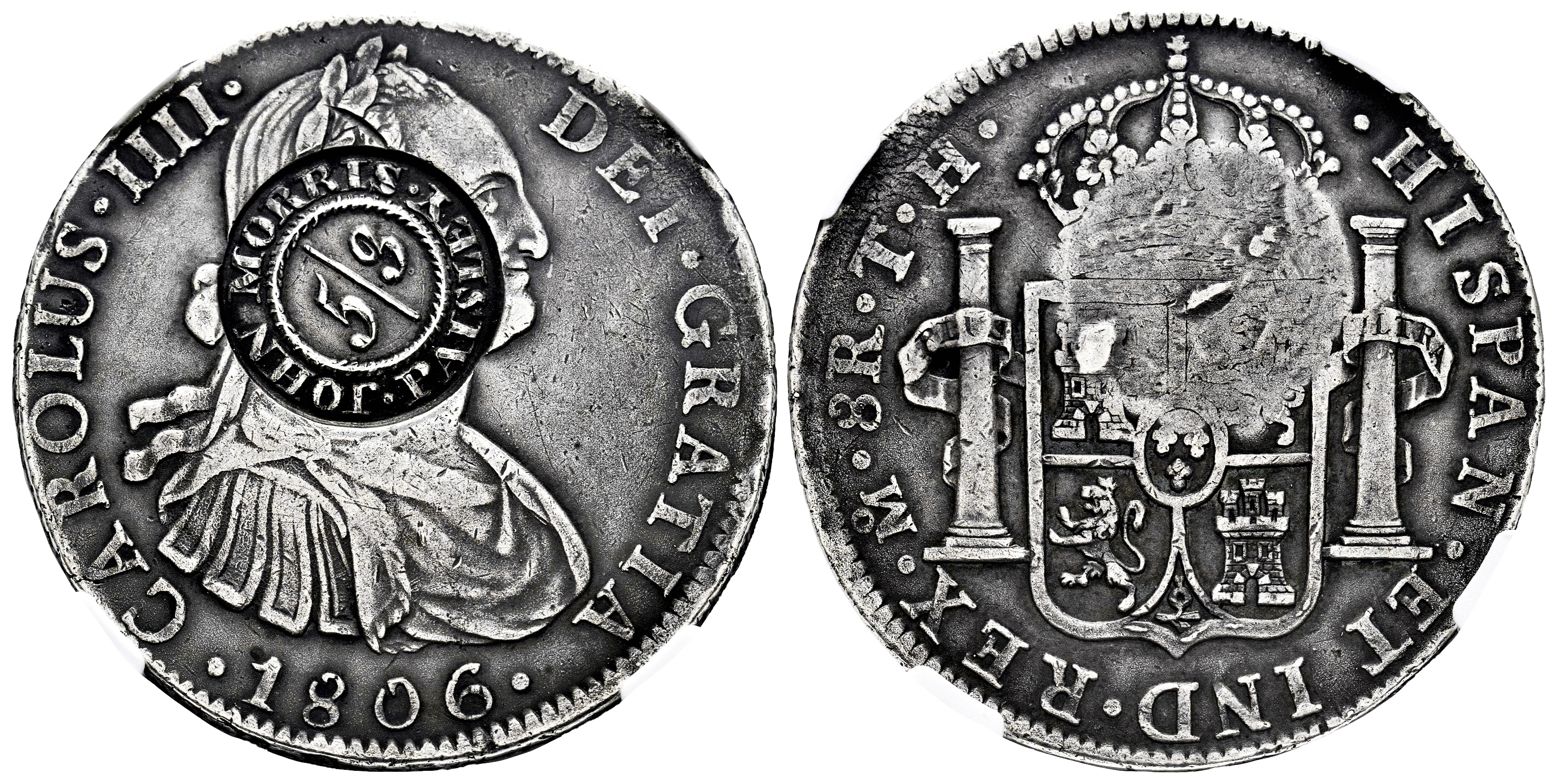
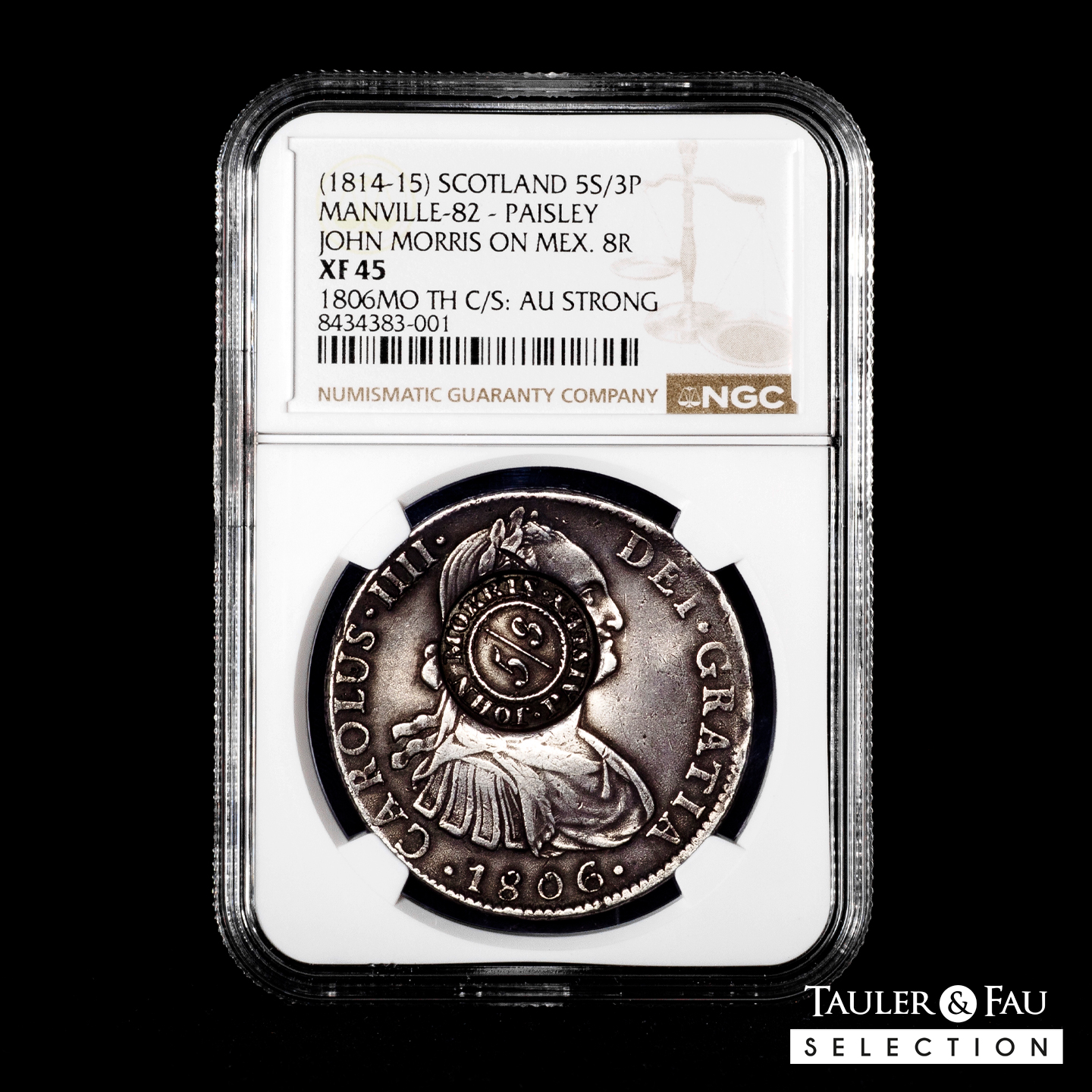
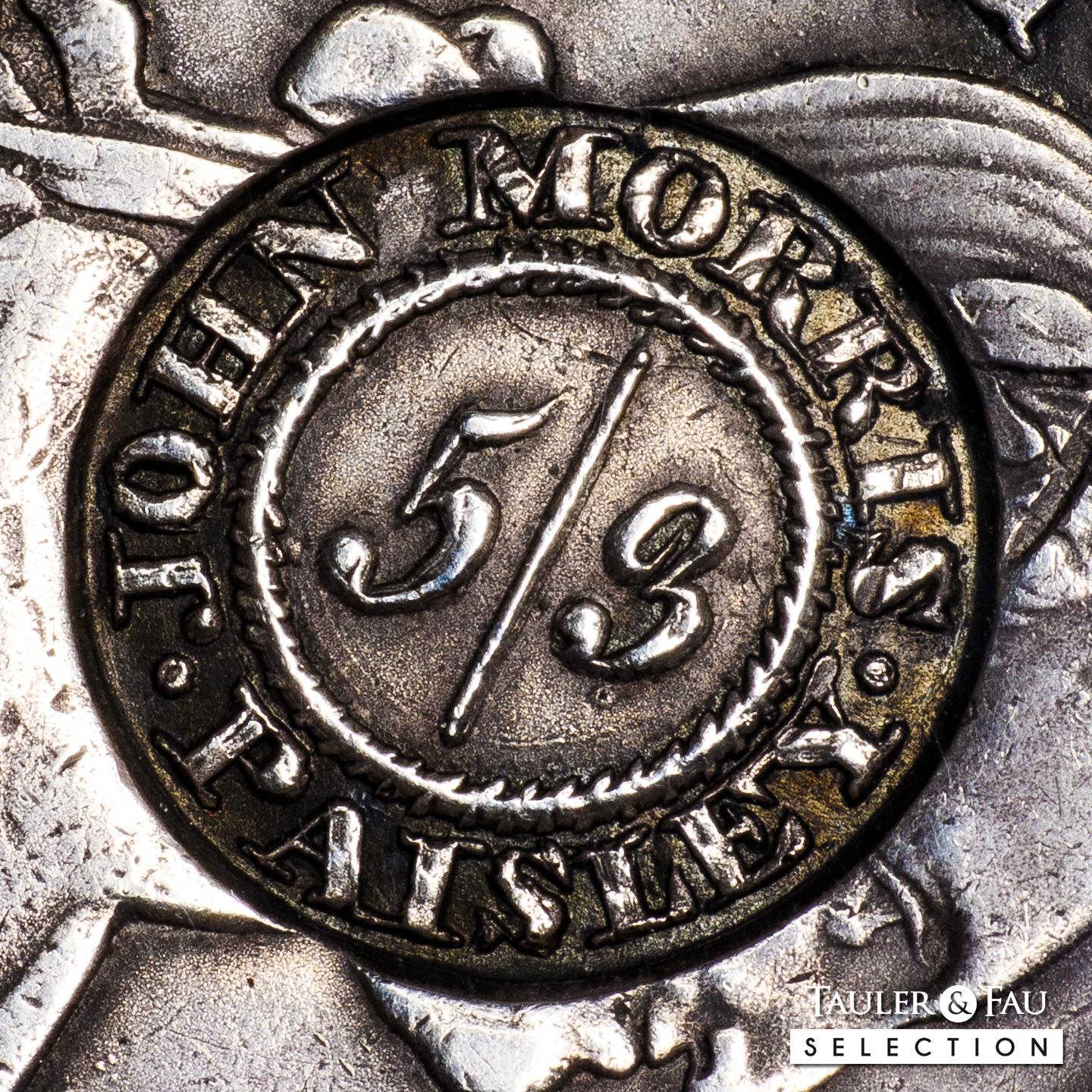
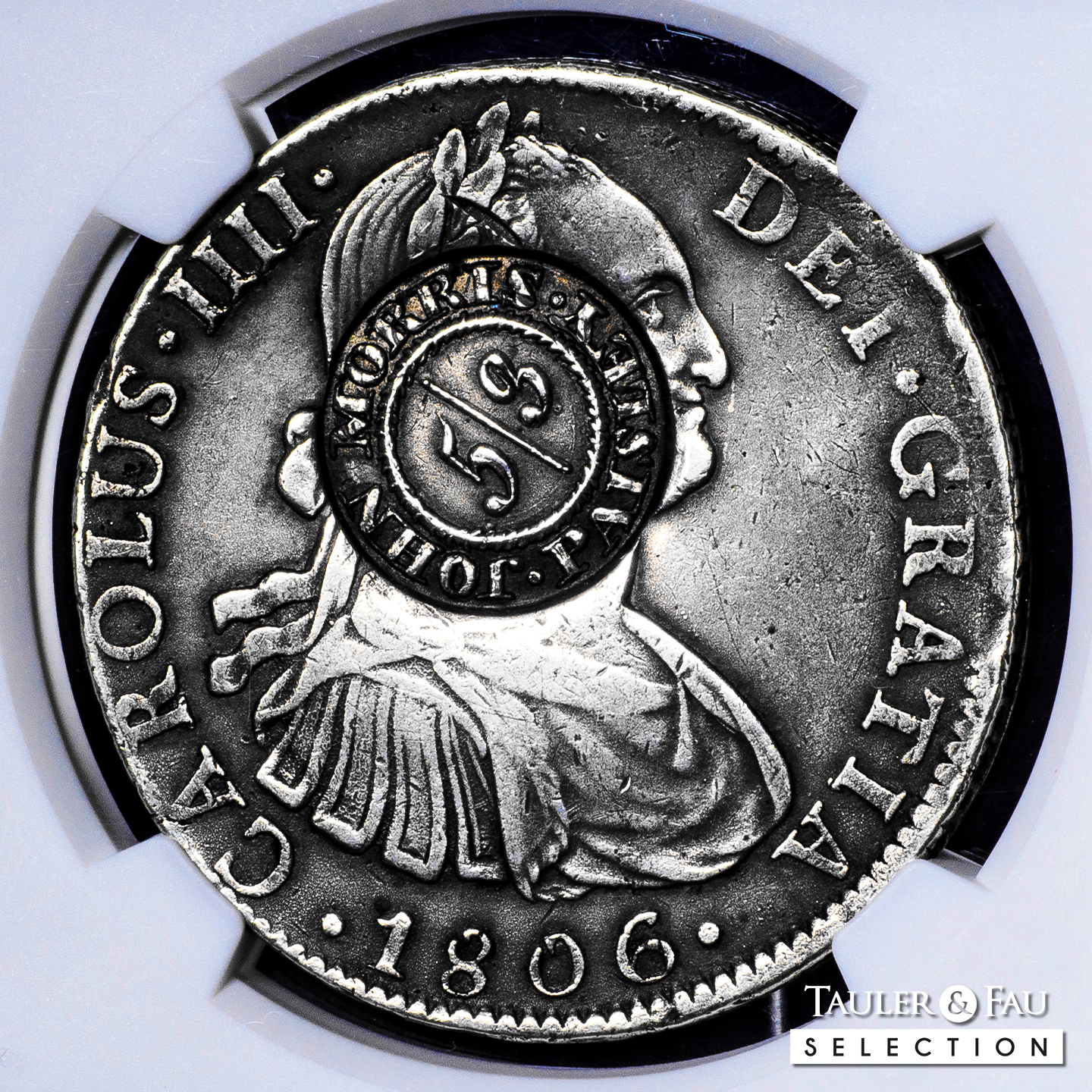
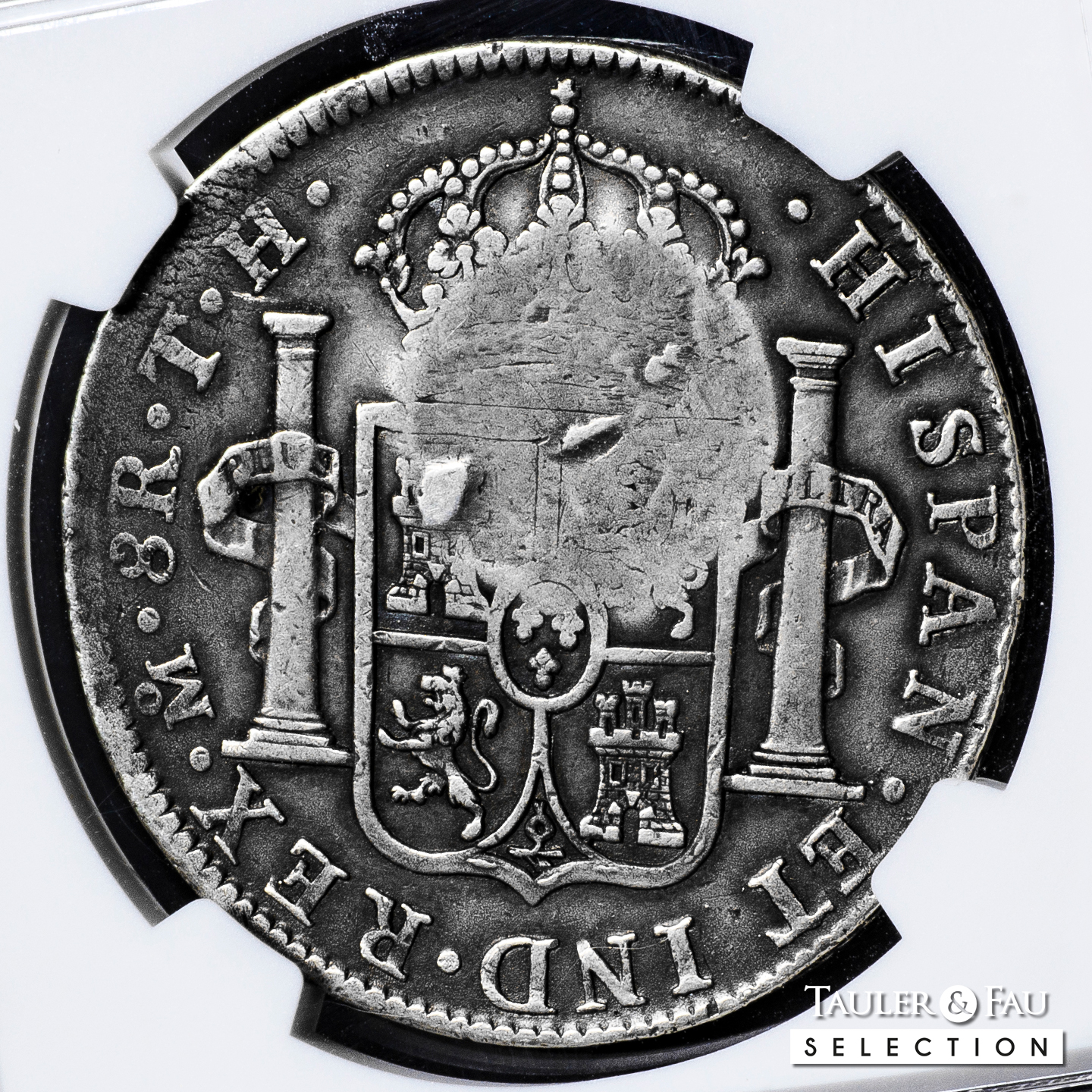
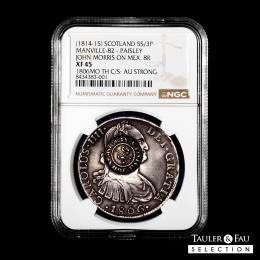
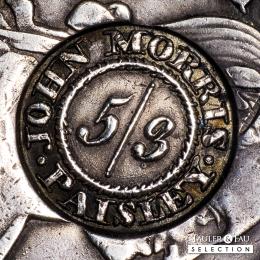
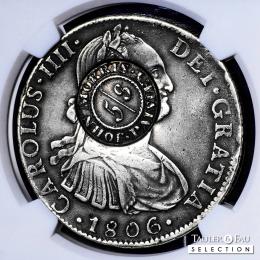
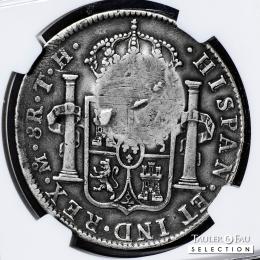
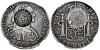
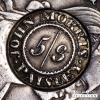
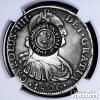
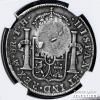
Scotland. Circular «JOHN MORRIS·PAISLEY· 5/3» countermark, deeply and sharply impressed, applied between 1814 and 1815 to the obverse of an 1806-TH 8 reales struck in Mexico during the reign of Charles IV, for circulation at a value of 5 shillings and 3 pence. (Manville-82). (Km-CC86). Attractive patina. Extremely rare.
Contemporary electrotype made from the original 1806 specimen formerly in the Cokayne Collection, which disappeared during a burglary circa 1918. Only three electrotypes of that original are known; based on its distinctive marks, this specimen has been identified as the third. Provenance: Spink 117, Dr. D. Reece-Jones Collection, lot 455, 19 November 1996; Dolphin Coins, fixed-price list, lot 380, November 1997; Noonans, Michael Gietzelt Collection, lot 224, 24 September 2025.
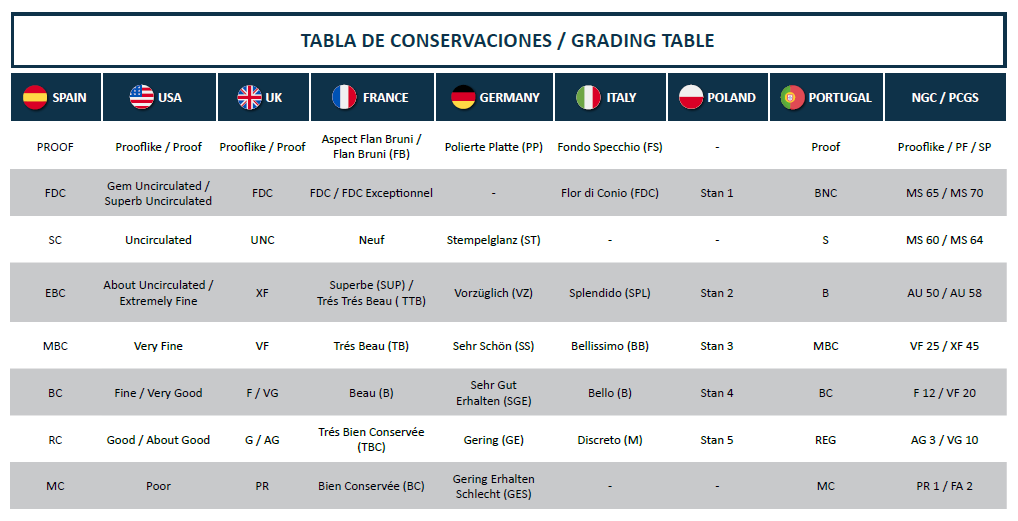
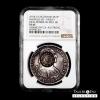
Slabbed by NGC as XF 45, C/S: AU Strong. (Top Pop), the finest-known specimen in the NGC census.
The issuer, John Morris, was a merchant or industrialist active in Great Britain during the height of the Industrial Revolution. As with other early 19th-century British private countermarks, including those of Hurlet, his mark was applied to foreign silver coinage in circulation, chiefly Spanish 8 reales or “Spanish Dollars”, in order to validate these pieces for local use in wage payments and commercial transactions.
Although the host coins generally correspond to issues of the late 18th or early 19th century, this private commercial countermark was applied circa 1814-1815, in the context of the shortage of circulating silver and the monetary pressures caused by the Napoleonic Wars. At that time, the lack of official specie and inflation led to the revaluation of these dollars from the traditional 5 shillings to 5 shillings and 3 pence, the value indicated by the countermark itself. Est...5000,00.
SOLD
Auction Lots
Confirm your maximum bid
Confirm your maximum bid
Loading…
Conecting
Are you sure you want to buy the lot?
X
Confirm your maximum bid
Conecting