English
 Español
X
Historical Background
Ended
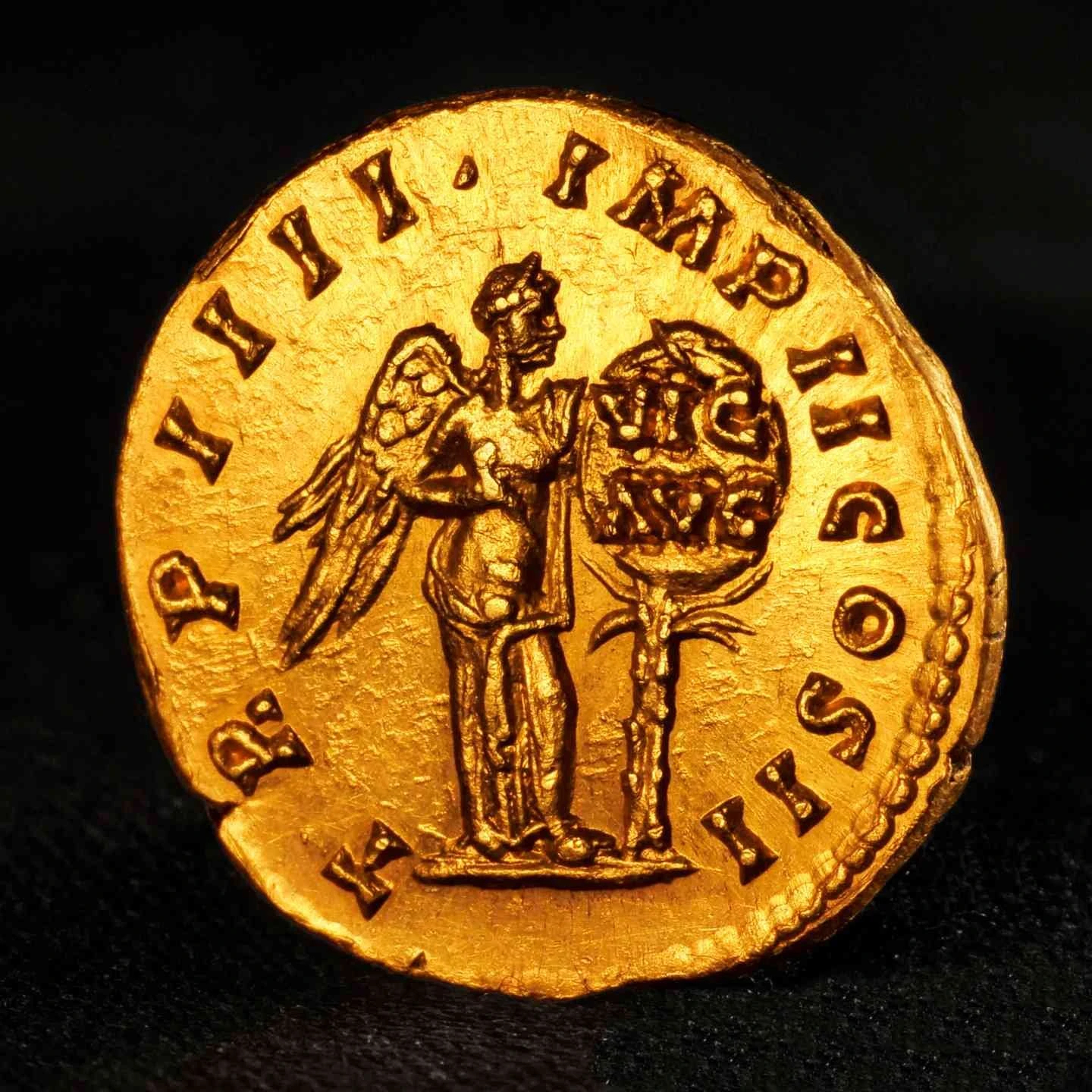
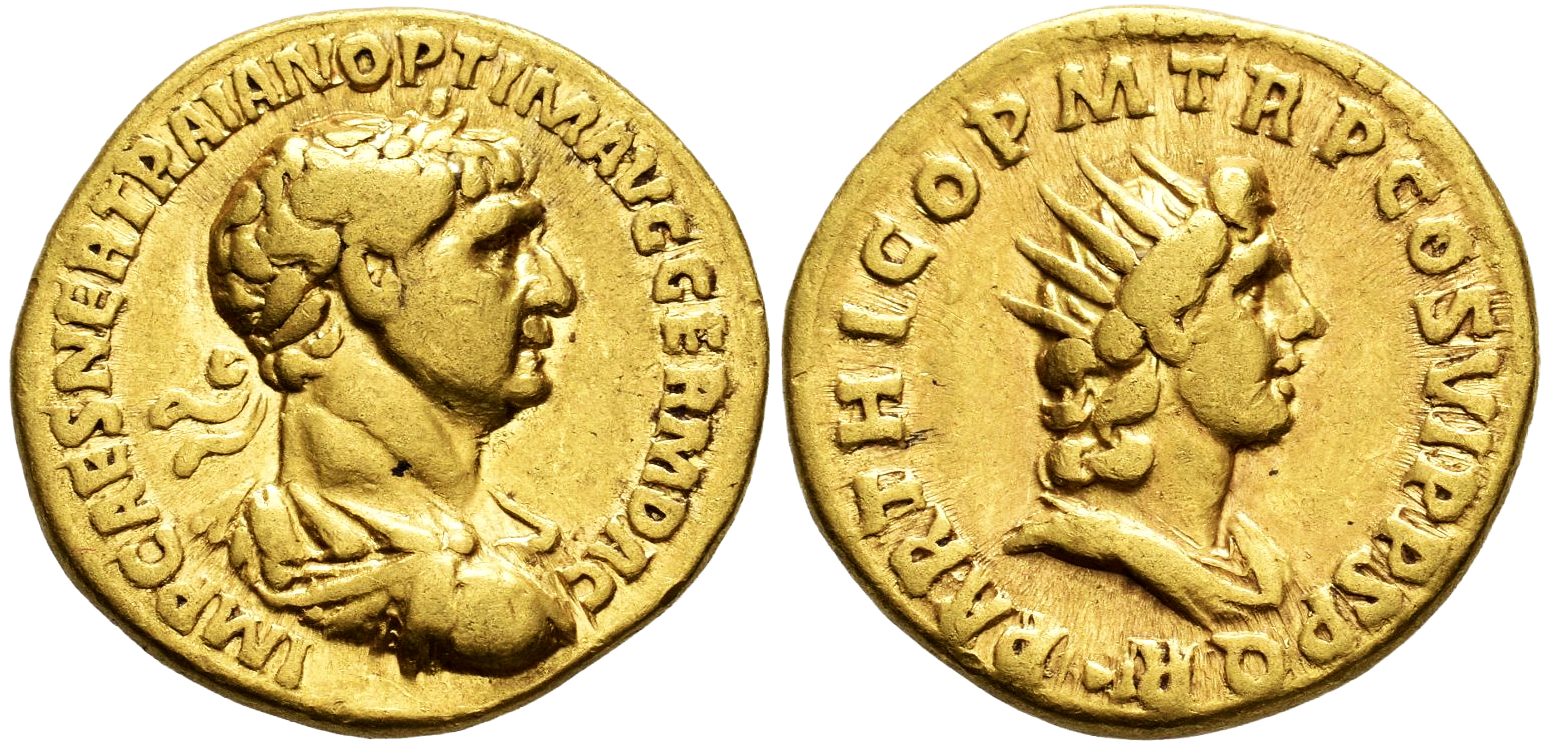
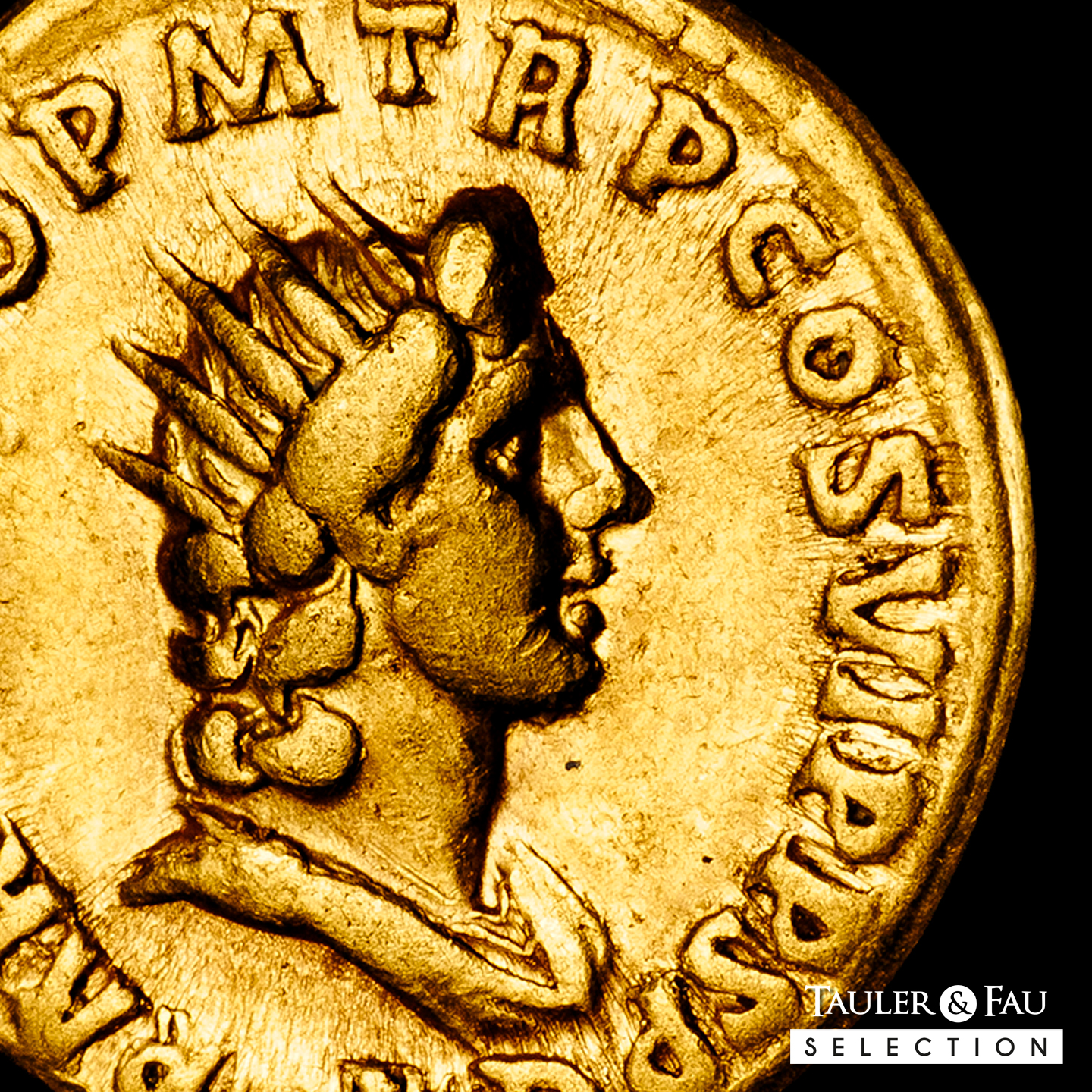
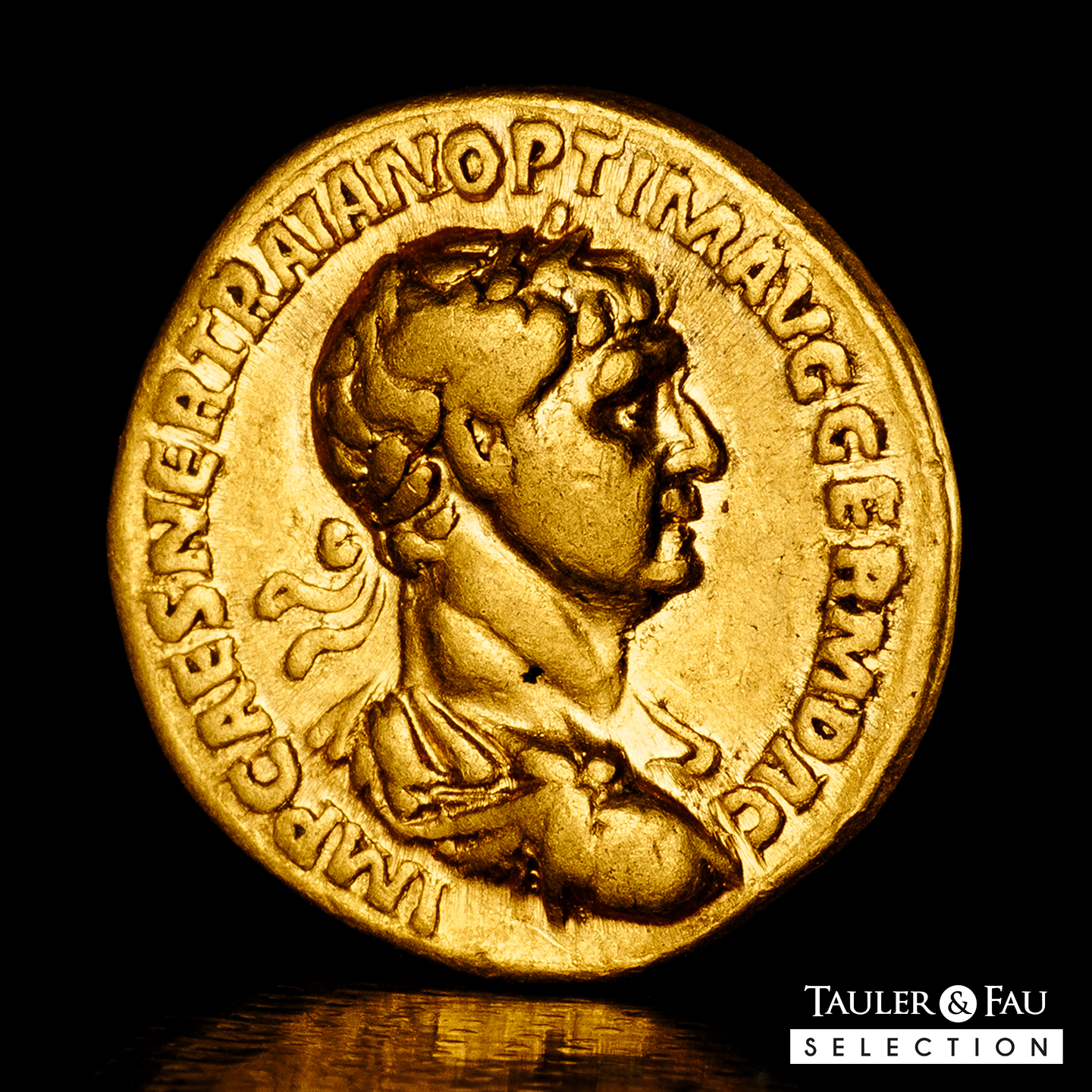
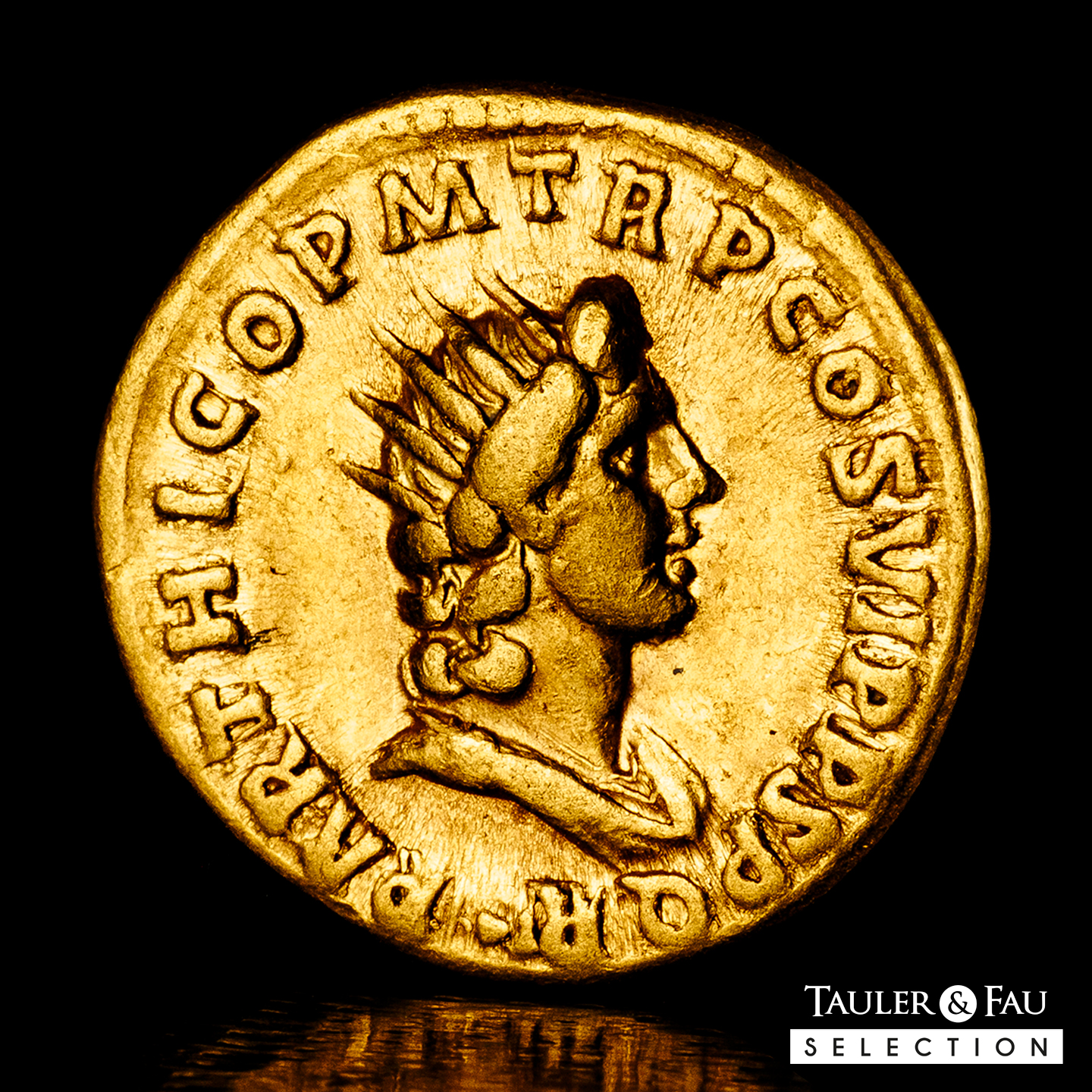
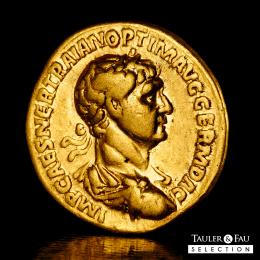
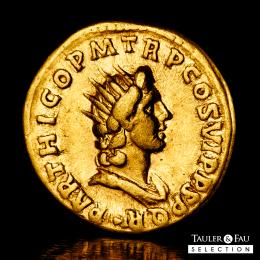
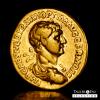
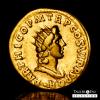
Trajan. Aureus. 116-117 AD. Rome. (Ric-II 329). (Woytek-572f). (Calicó-1038a). Anv.: IMP CAES NER TRAIAN OPTIM AVG GERM DAC, laureate, draped and cuirassed bust to right. Rev.: PARTHICO P M TR P COS VI P P S P Q R•, radiate and draped bust of Sol to right. . 7,08 g.
Traces of luster. Scarce. Ex TOBAL Collection.
In AD 113, Trajan left Rome to embark upon his great campaign against the Parthians. Although Osroes sent an embassy that met the emperor in Athens, the military undertaking had already become irreversible; as R. P. Longden observed, such an attitude of submission probably only strengthened Trajan’s resolve.
In AD 114, the emperor invaded Armenia, deposed Parthamasiris, and annexed the kingdom as a Roman province. The following year he incorporated northern Mesopotamia and captured Ctesiphon, the Parthian capital. Following these successes, he accepted the title Parthicus, which appears in the reverse legend of these issues. The bust of Sol, associated with the East, may be interpreted as a symbolic allusion to Roman dominion over the conquered territories.
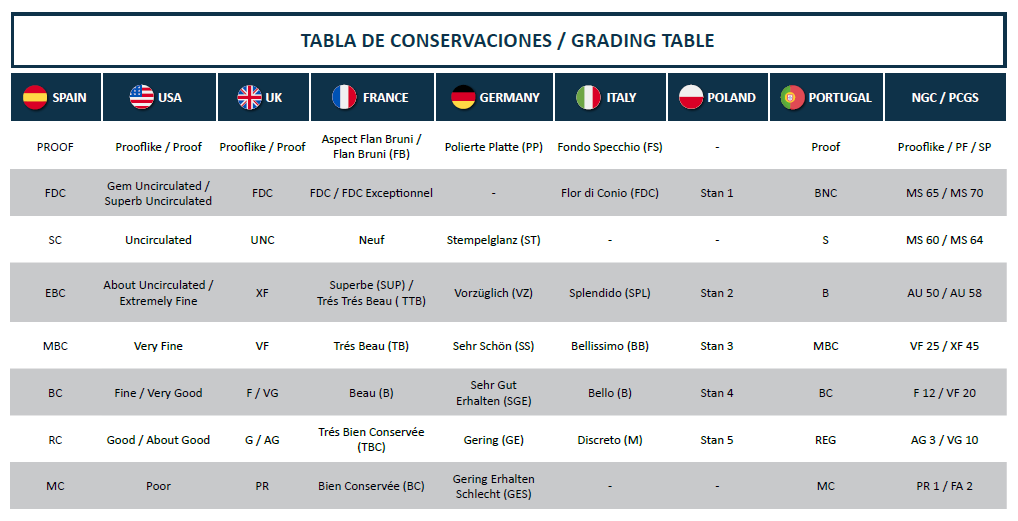
The victory, however, proved short-lived. By late AD 116, revolts had broken out in Armenia and Mesopotamia, forcing Trajan to abandon further expansion and focus instead on consolidating his conquests. According to Cassius Dio, while contemplating the possibility of advancing toward India, Trajan lamented that his age prevented him from emulating Alexander the Great. Choice VF. Est...6000,00.
SOLD: 5.250 €
Auction Lots
Confirm your maximum bid
Confirm your maximum bid
Loading…
Conecting
Are you sure you want to buy the lot?
X
Confirm your maximum bid
Conecting