English
 Español

X
Historical Background
Ended
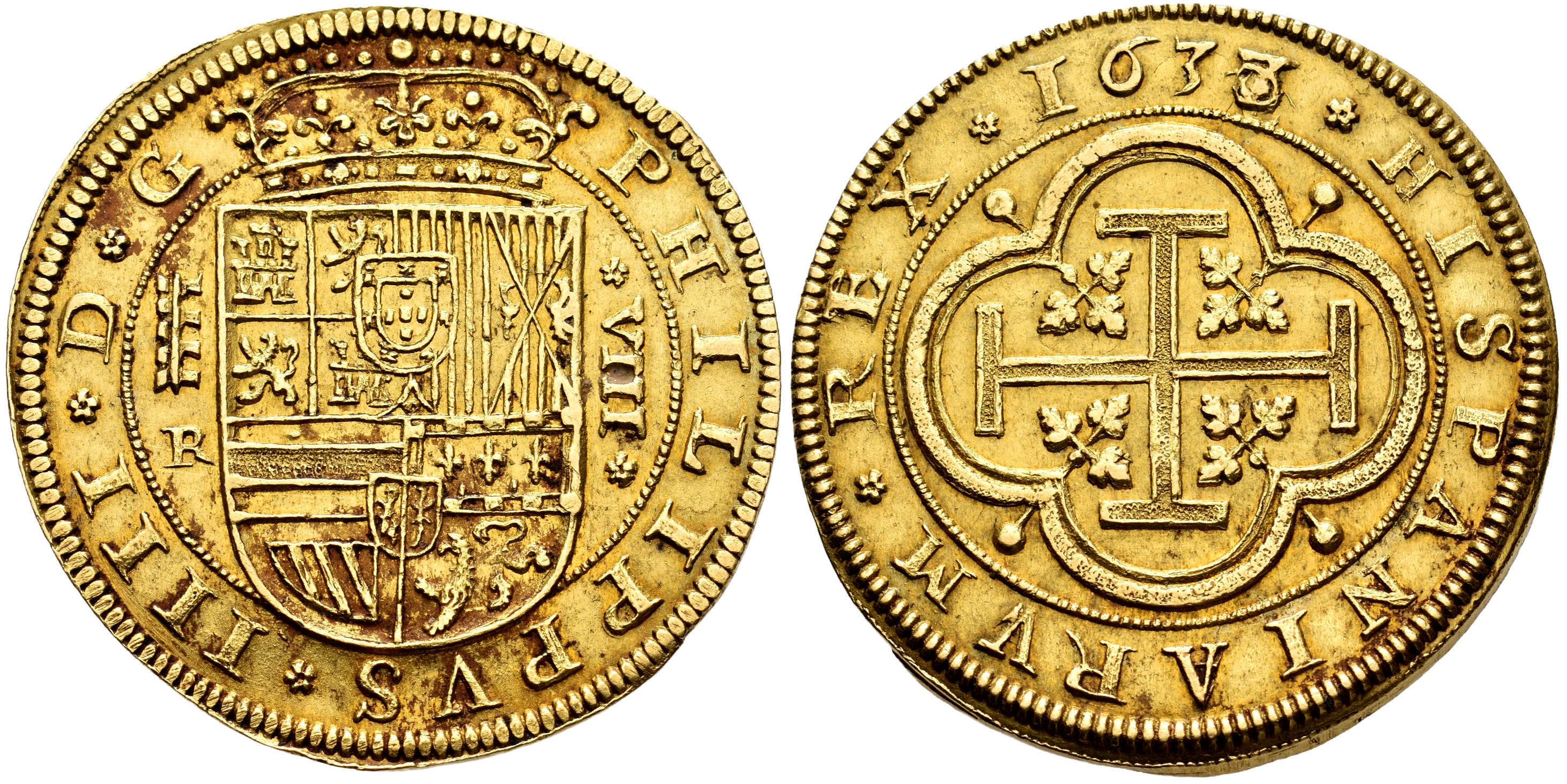
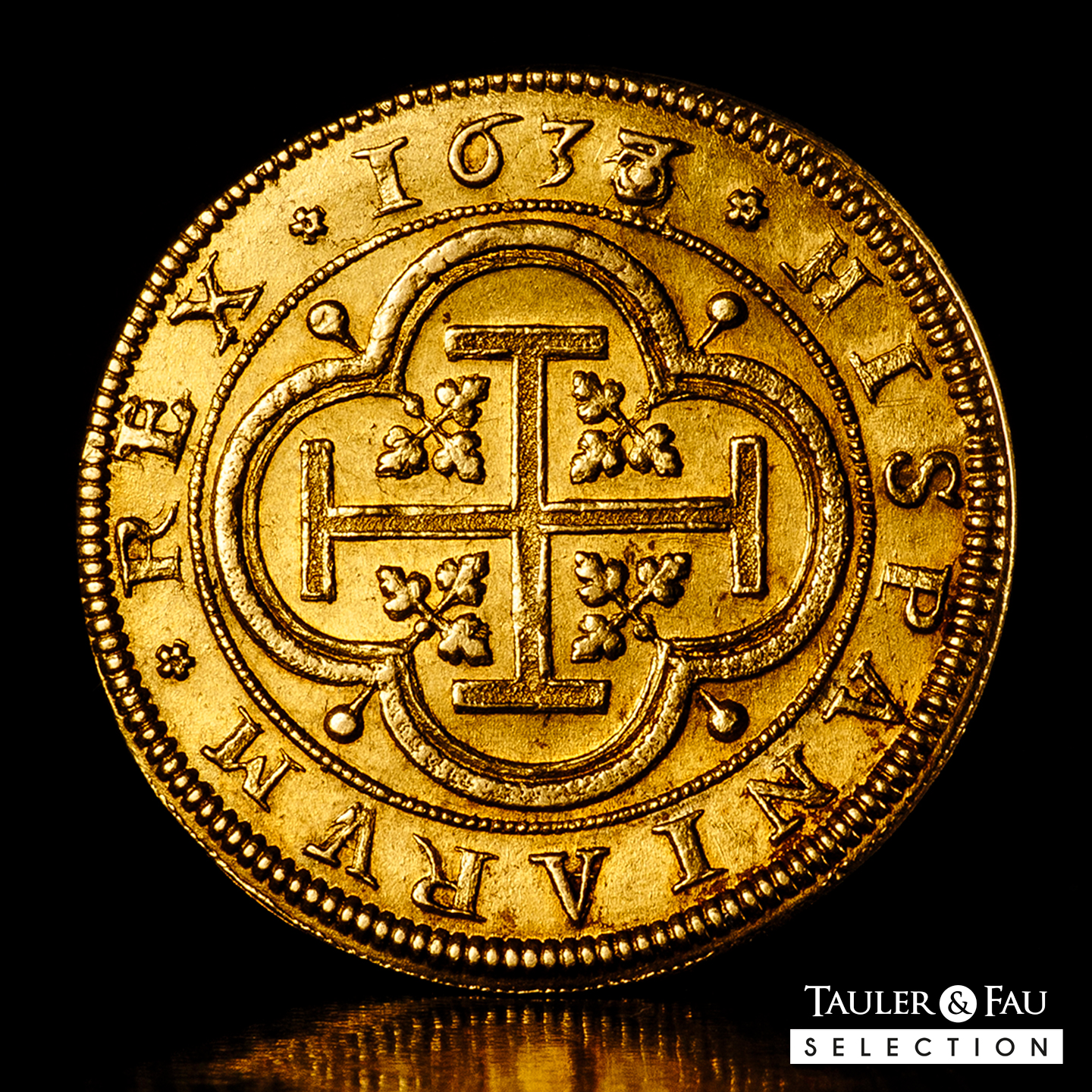
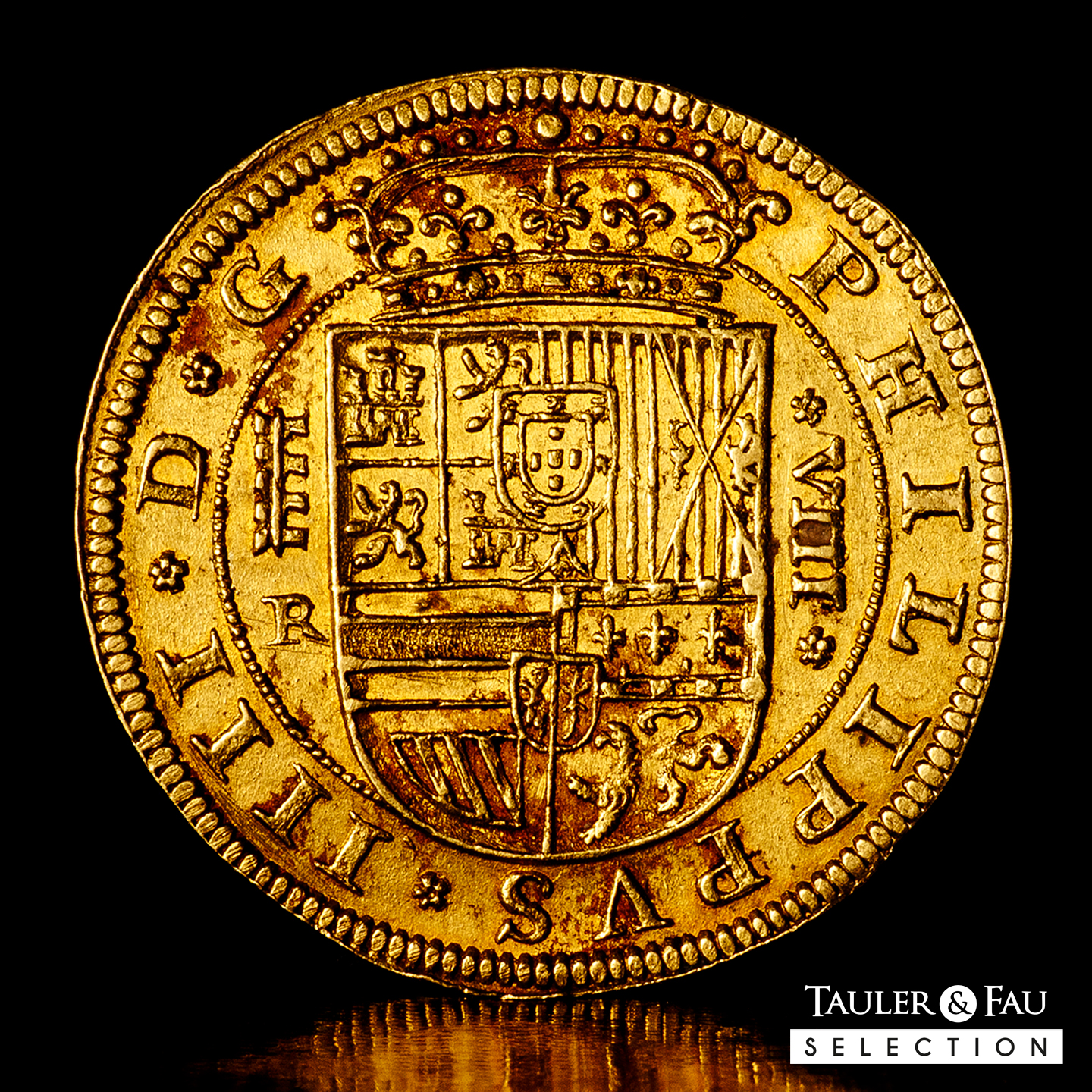
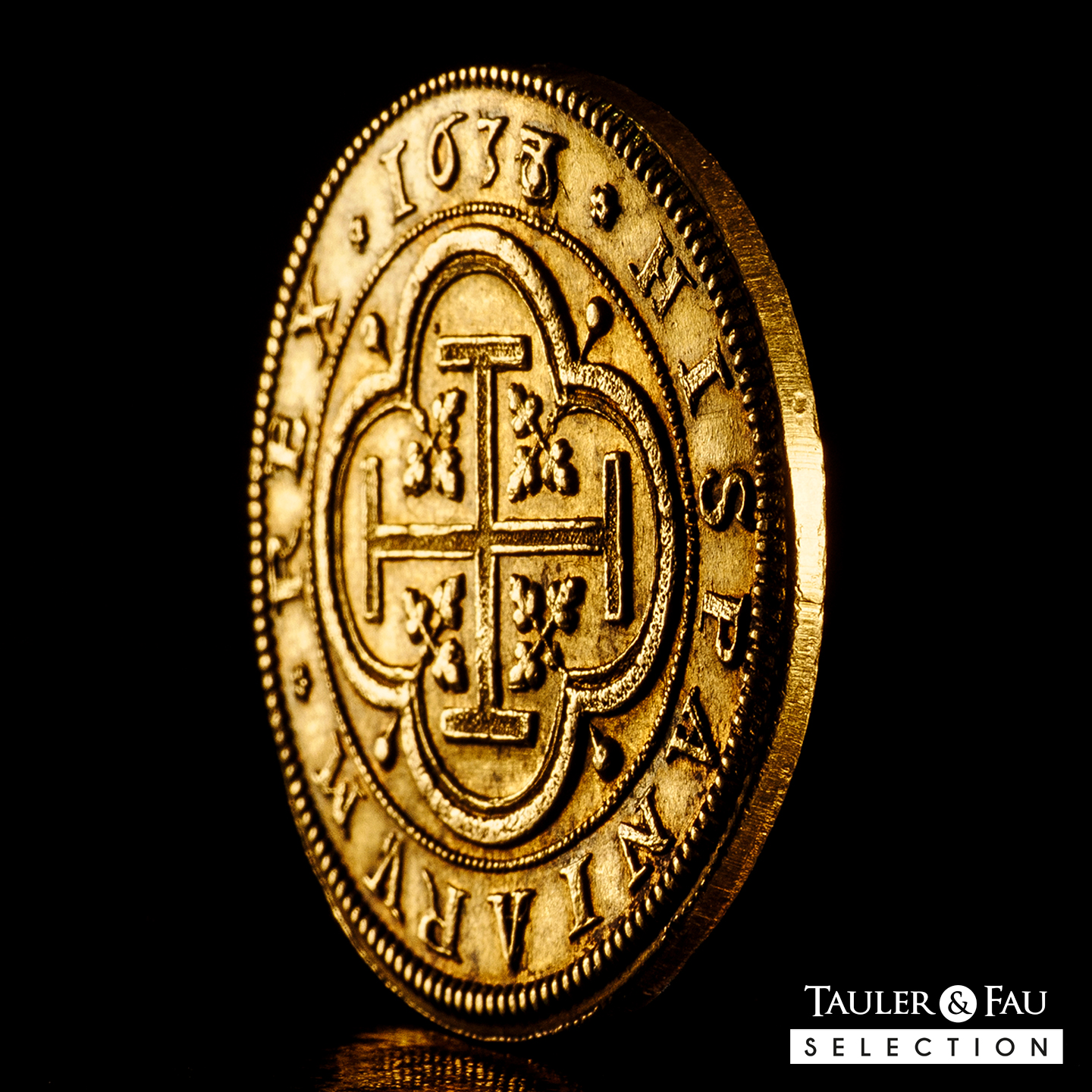
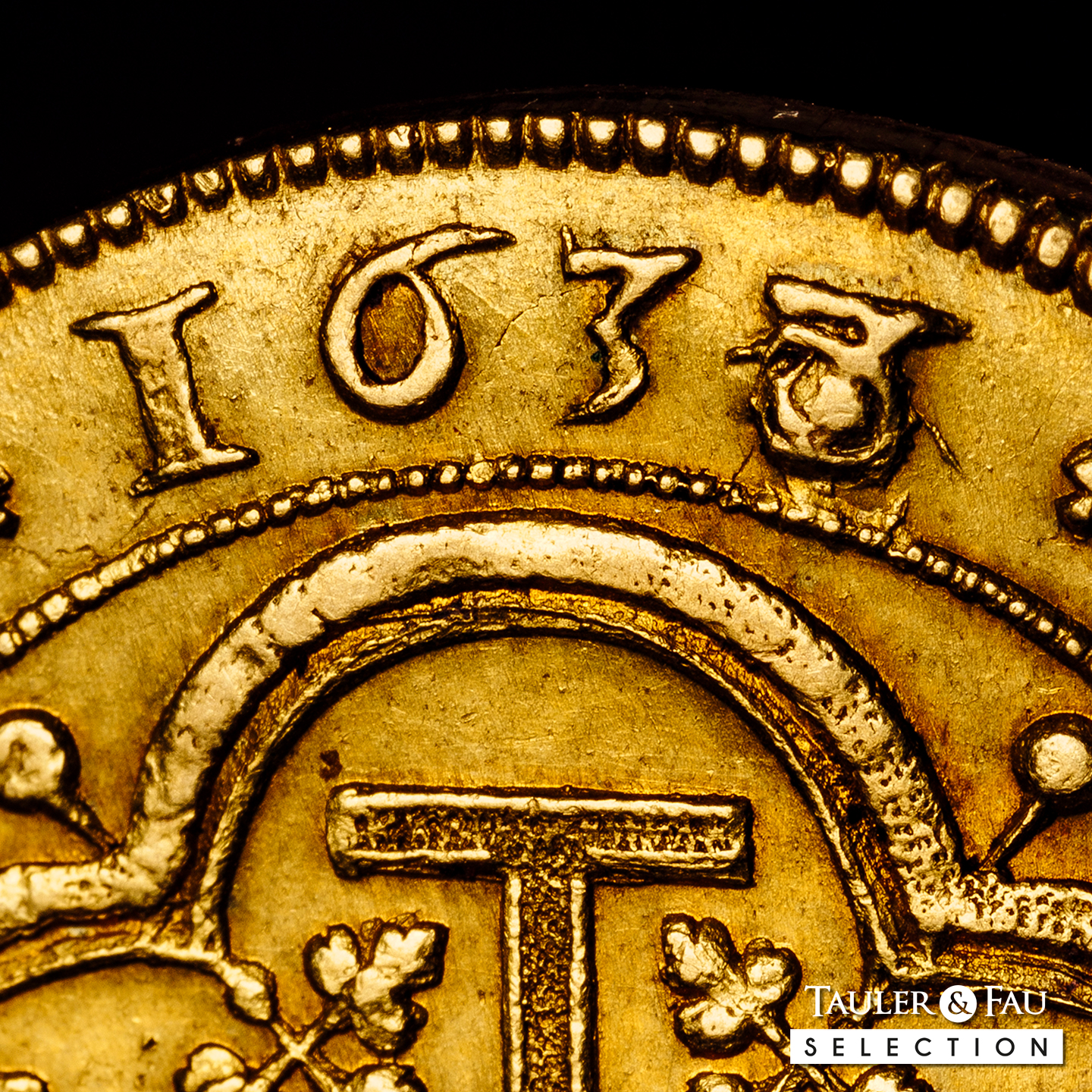
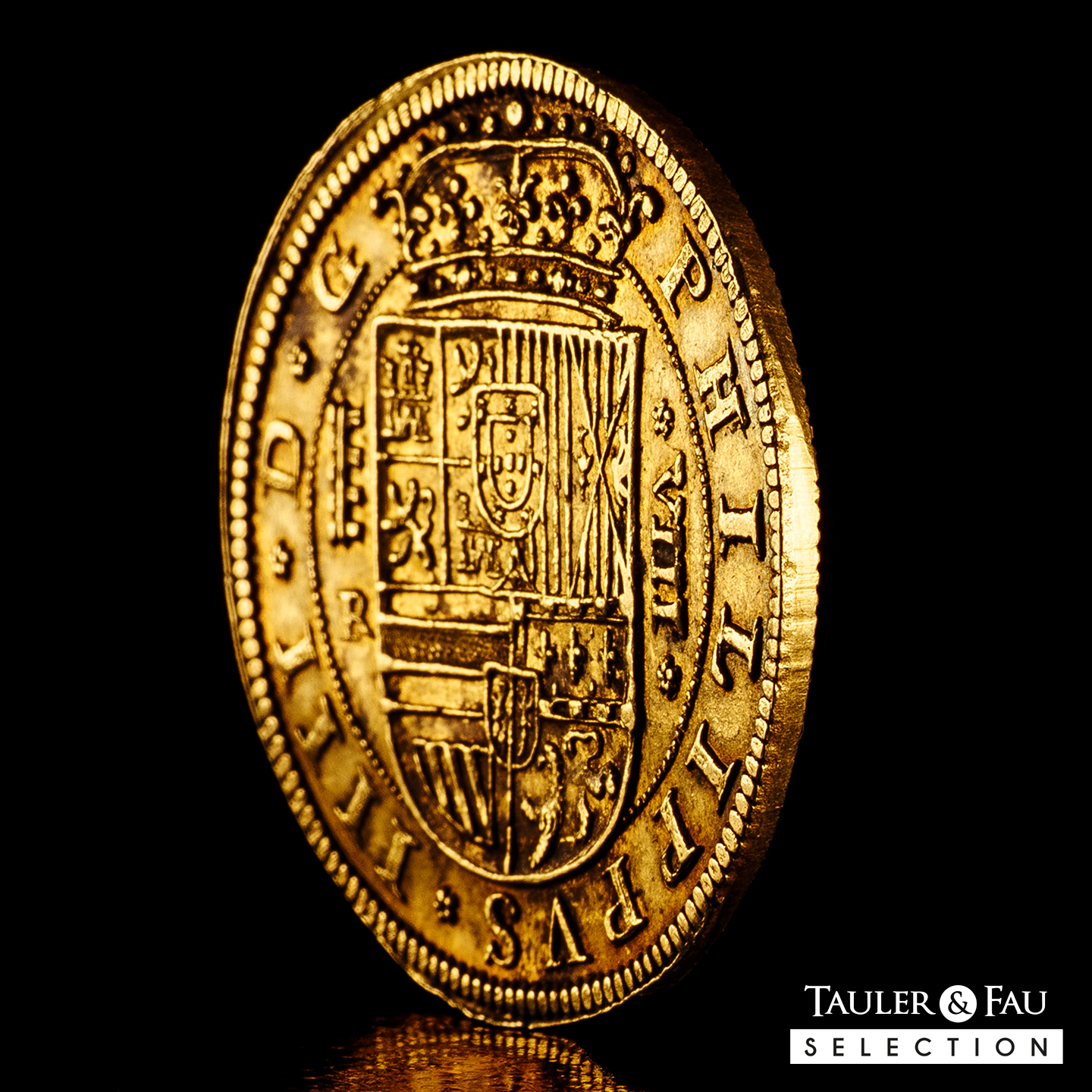
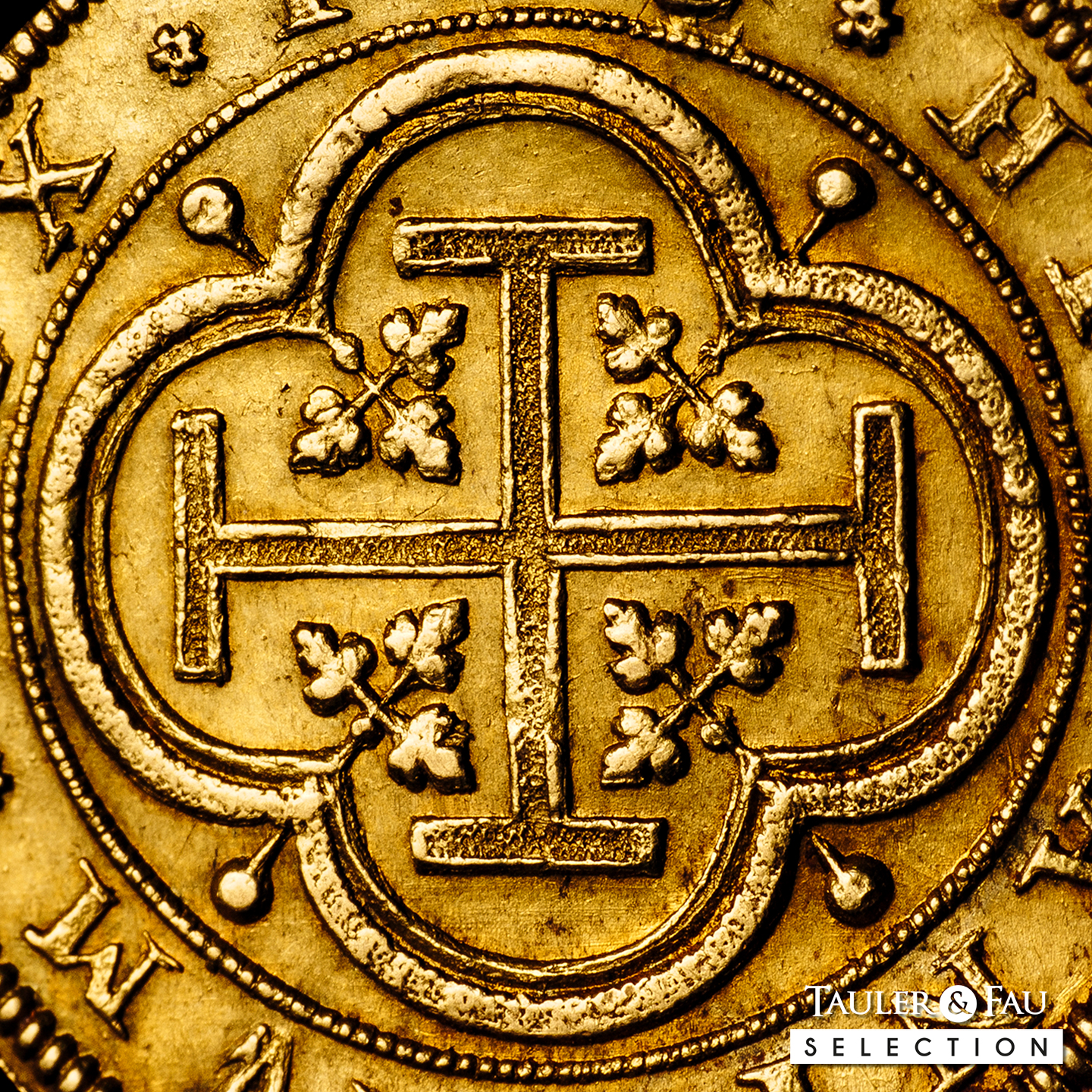
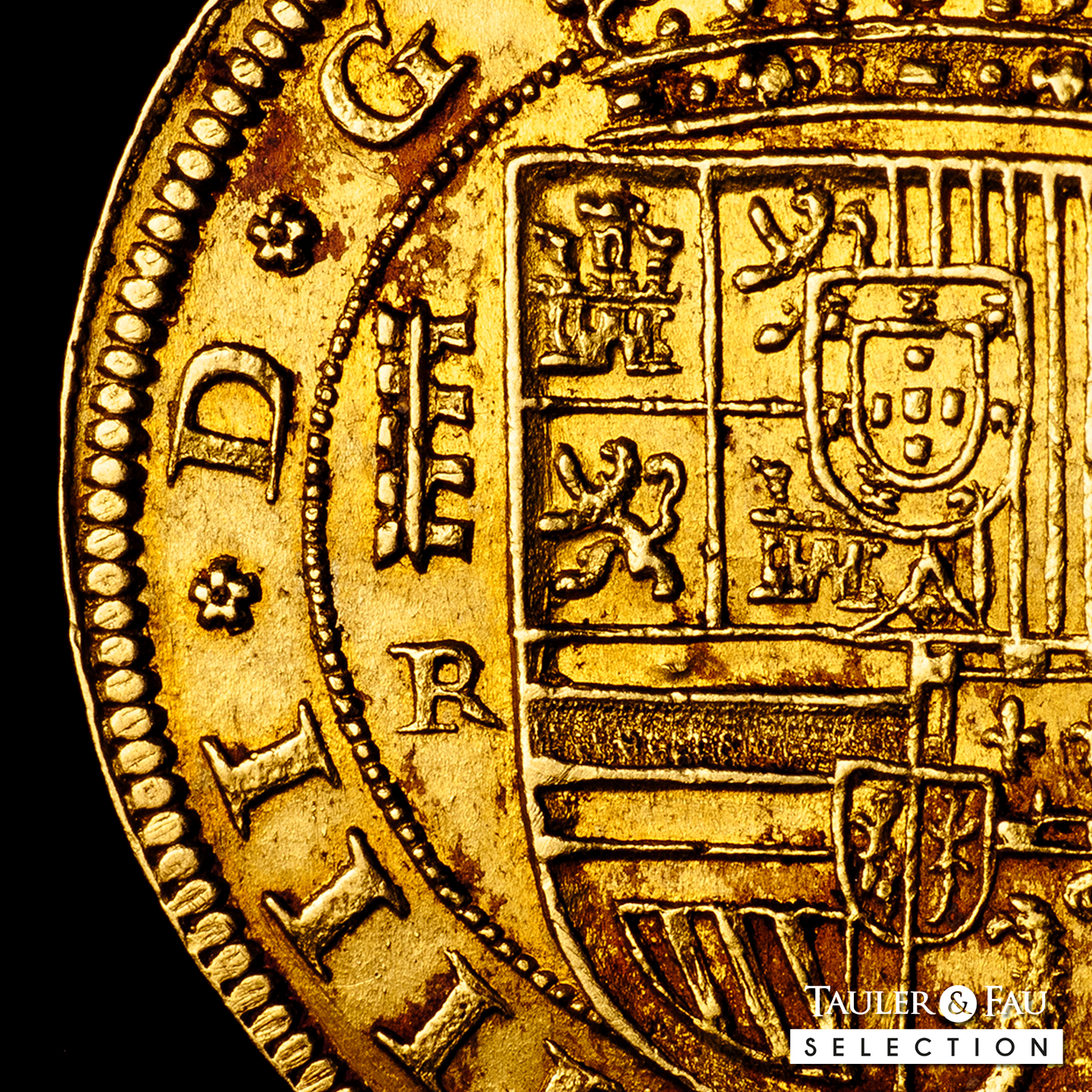
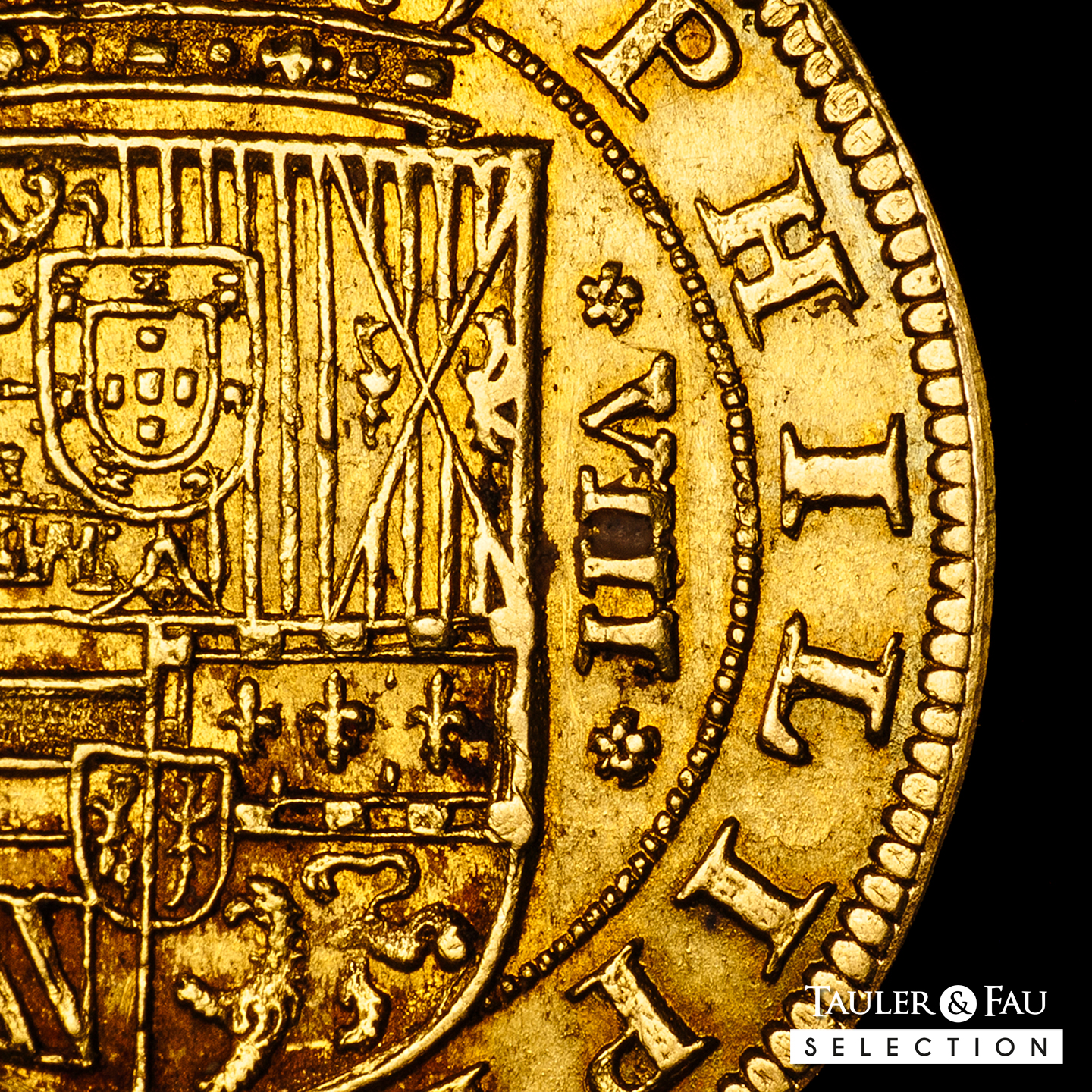
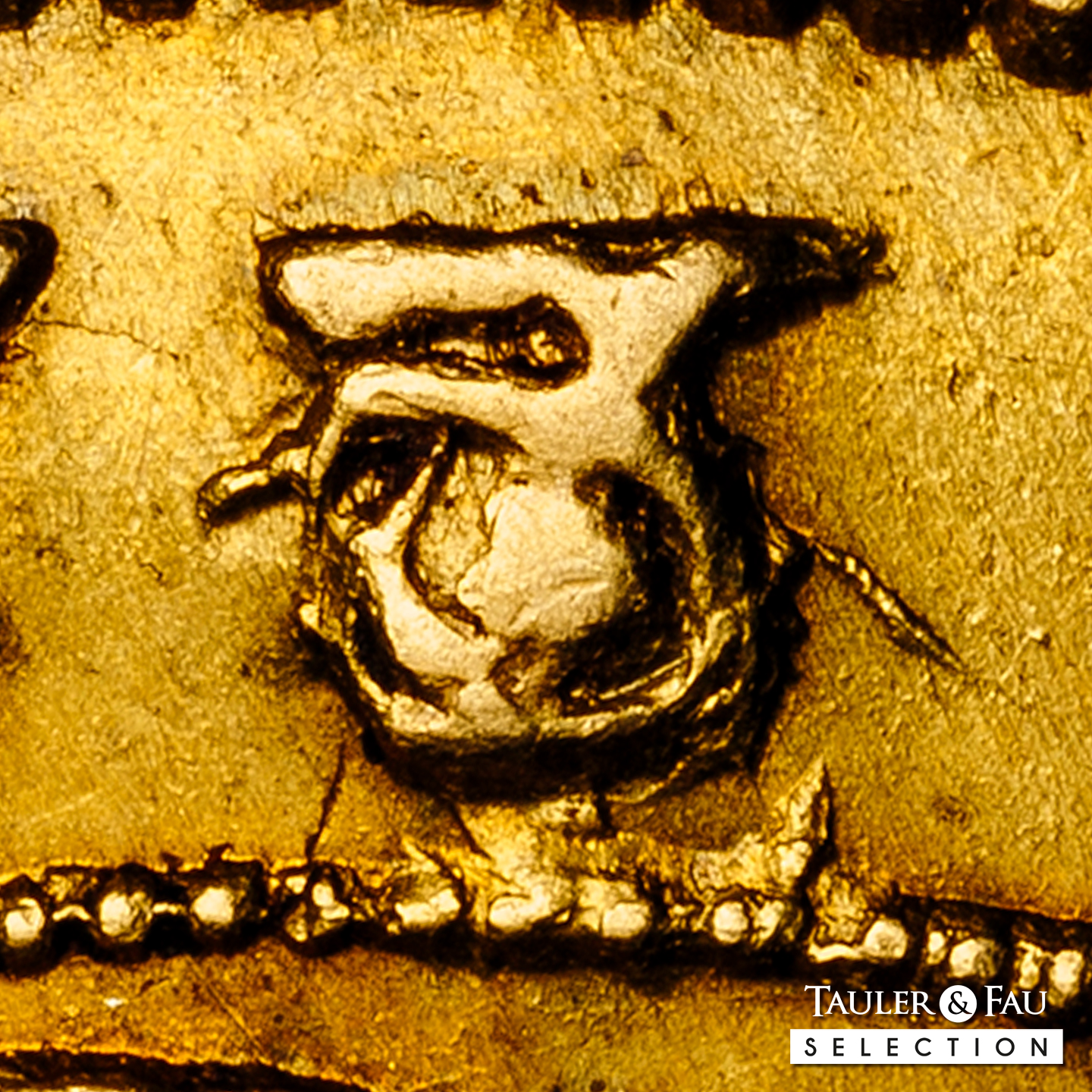
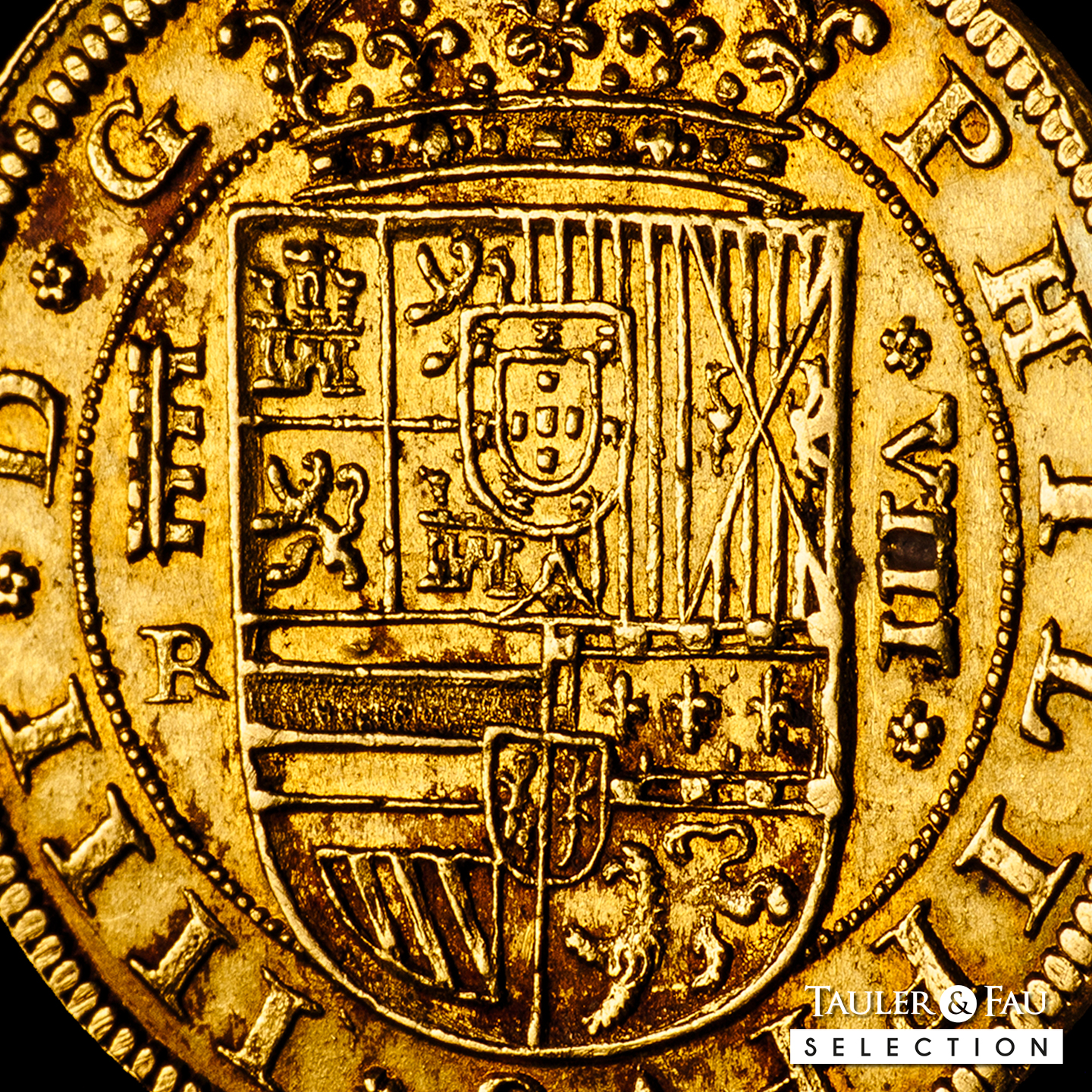
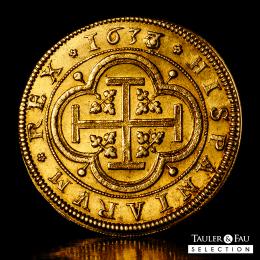
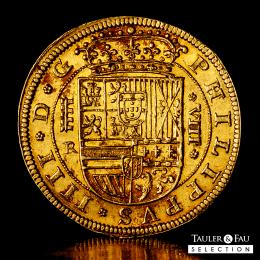
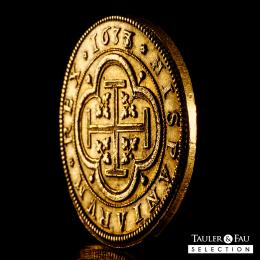
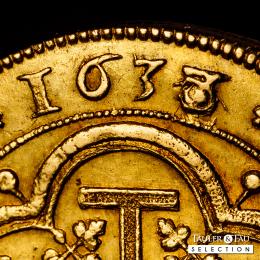
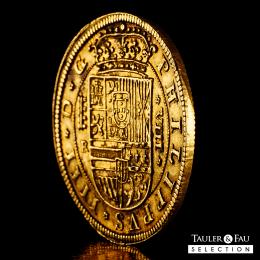
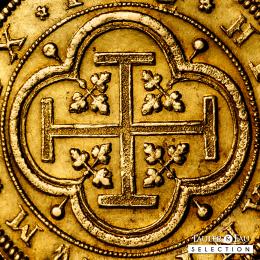
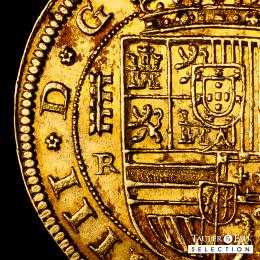
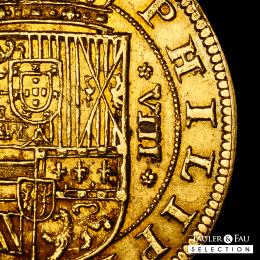
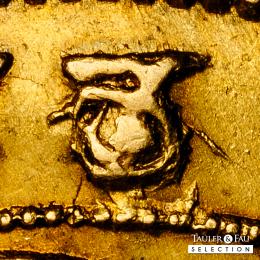
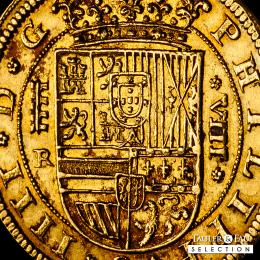
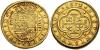
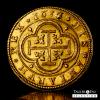
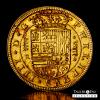
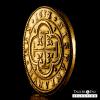
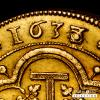
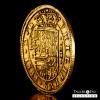
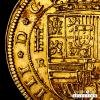
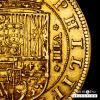
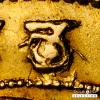
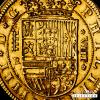
Philip IV (1621-1665). 8 escudos. 1638/7/6. Segovia. R (Rafael Salván de Aulina). (Cal-1941). (Cal onza-51). (Gutiérrez Delgado-F4.Sg.1637/6). . 26,95 g. Three-arched aqueduct arranged vertically above the assayer, to the left; to the right, denomination VIII arranged vertically and flanked by rosettes. Very clear double overdate on the reverse.
Magnificent specimen, with intense color, enhanced in some areas by light orange toning and underlying original luster. Virtually immaculate surfaces and perfectly defined reliefs.
Light spots in the upper area of the obverse and on the lower part of the shield, as well as a slight deposit between the denomination. Extremely rare, we have traced only four other specimens.
An exceptional testimony to the history of the Royal Mint of Segovia and Spanish numismatics. In its early years, one of the mint’s main challenges was attracting metal for coinage: despite its advanced technology, its location in the heart of Castile, far from Seville — the principal port of entry — significantly limited its activity. To remedy this, minting licenses for large denominations were promoted — 50 reales, 8 and 100 escudos — allowing metals to be brought in without inquiry into their provenance. The Council of Finance itself, aware of their possibly irregular origin, thus prioritized increasing the circulating medium and securing the collection of seigniorage and minting duties.
However, the situation did not improve significantly and worsened in 1636 with the departure of the engraver Diego de Astor to Madrid. According to the officials of the Ingenio, his replacement, who was of advanced age, was unable to perform the work properly, forcing the reuse and correction of the rollers in 1636 and 1637. This is attested by all known specimens from these years, which show an overdate on the final digit.
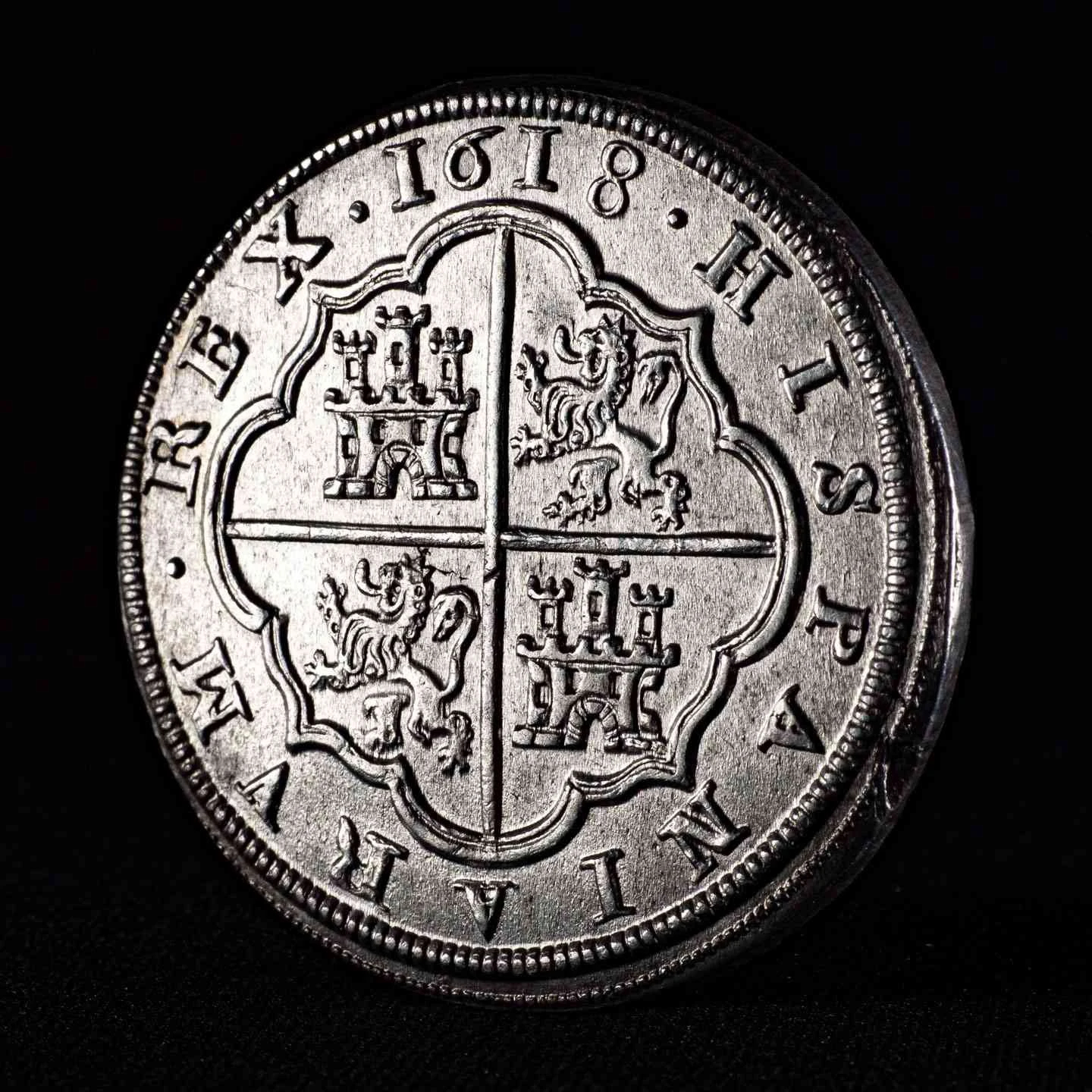
There is a similar precedent for this 1638 piece in the 50 reales of 1618. Diego de Astor spent long periods in Madrid as engraver on other commissions and usually left rollers prepared in advance, but he did not do so for the 50 reales of 1618. For this reason, the 8 on these cincuentines was re-engraved by using the 7, creating a peculiar Gothic-style eight very similar to that seen on this specimen.
An exceptional testament to the history of the Real Ingenio of Segovia and to Spanish numismatics. In its early years, one of the mint’s main challenges was securing metal for coinage: despite its advanced technology, its location in the heart of Castile, far from Seville—the main port of entry—significantly limited its operations. To address this, minting licenses for large denominations —50 reales, 8 escudos, and 100 escudos— were promoted, allowing the inflow of metal without inquiry into its provenance. The Royal Treasury Council, aware of the potentially irregular origins of such bullion, thus prioritized increasing the money supply and ensuring the collection of seigniorage and minting duties.
However, the situation did not improve significantly and worsened in 1636 with the departure of the engraver Diego de Astor to Madrid. According to the officials of the mint, his elderly replacement was unable to perform the work properly, which forced the reuse and rectification of the roller dies in 1636 and 1637. This is evidenced by all known specimens from these years, which display an overdate on the final digit.
A comparable precedent for this 1638 piece exists in the cincuentines of 1618. Diego de Astor often spent long periods in Madrid working on other engraving commissions and usually left prepared rollers behind; however, he did not do so for the 50 reales of 1618. As a result, the “8” on those cincuentines was re-engraved over a “7,” producing a distinctive Gothic-style figure closely resembling that of the present specimen.
Although this piece has occasionally been attributed by various experts and catalogues to 1633/2 or 1637/6, such interpretations seem unconvincing in our opinion. While 8 escudos were indeed struck in 1633, it seems unlikely that, with Diego de Astor present at the mint, it would have been necessary to re-engrave the rollers—let alone in such a crude manner. Moreover, at least six examples of 1637/6 are known, all with clearly defined overdates, making it equally implausible that this awkward reworking represents merely a 7 over 6.
This magnificent 8 escudos of 1638, the fifth known specimen and previously unpublished, stands as the most remarkable example of this circumstance: it displays a triple overdate —8 over 7 over 6— clearly visible and somewhat crudely executed. It is the only known triple overdate within the series of 8 escudos struck at the Real Ingenio of Segovia under Philip IV. Almost MS. Est...60000,00.
SOLD: 67.500 €
Auction Lots
Confirm your maximum bid
Confirm your maximum bid
Loading…
Conecting
Are you sure you want to buy the lot?
X
Confirm your maximum bid
Conecting