English
 Español
X
Historical Background
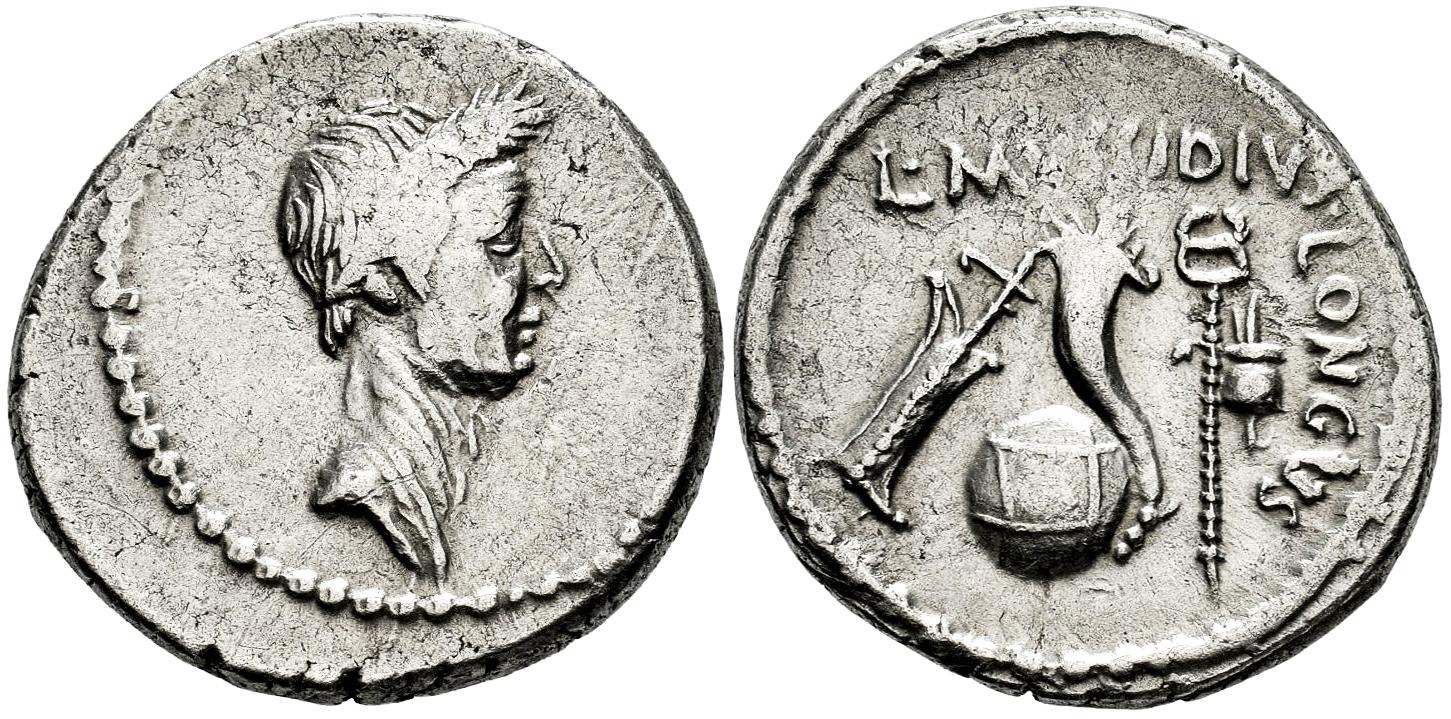
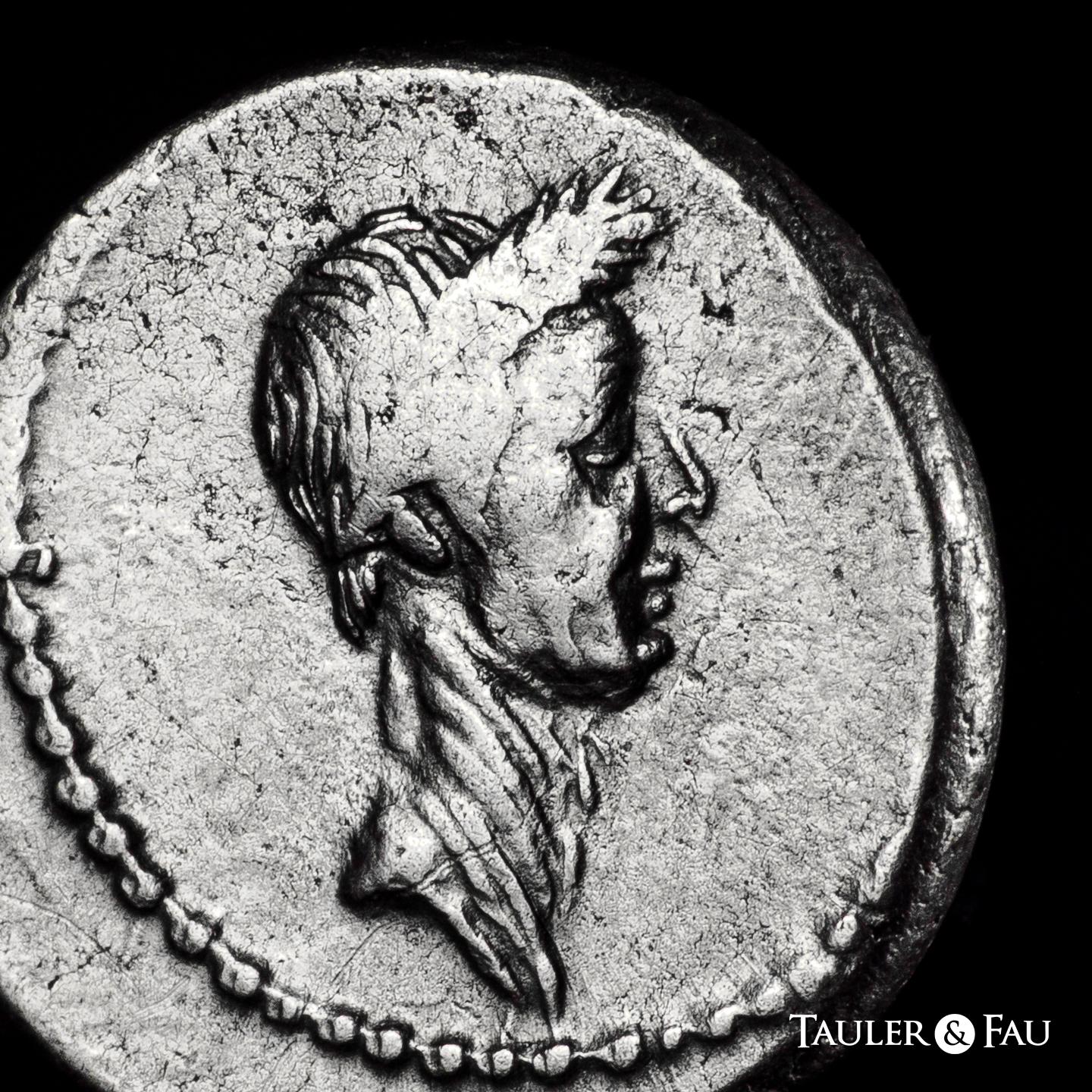
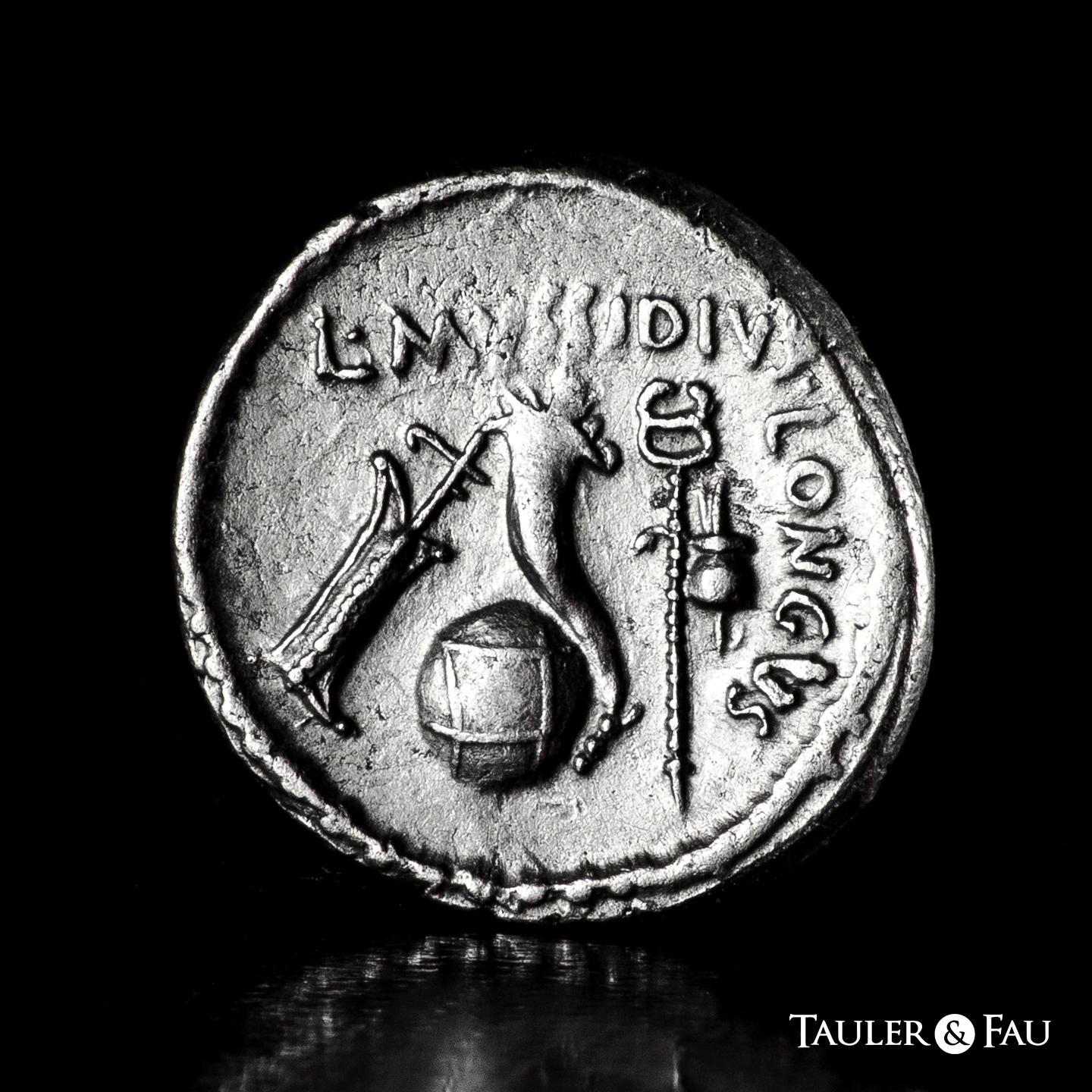
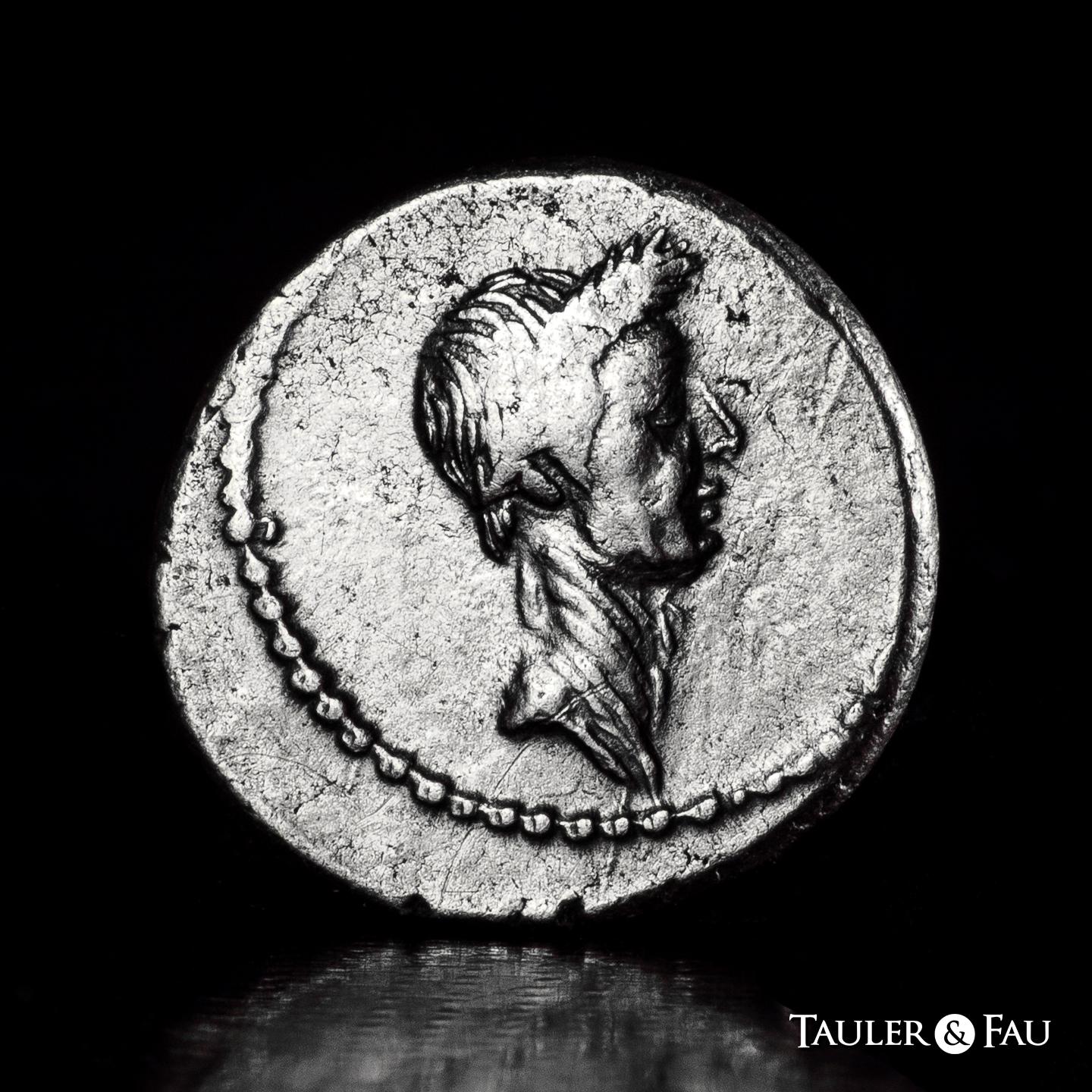
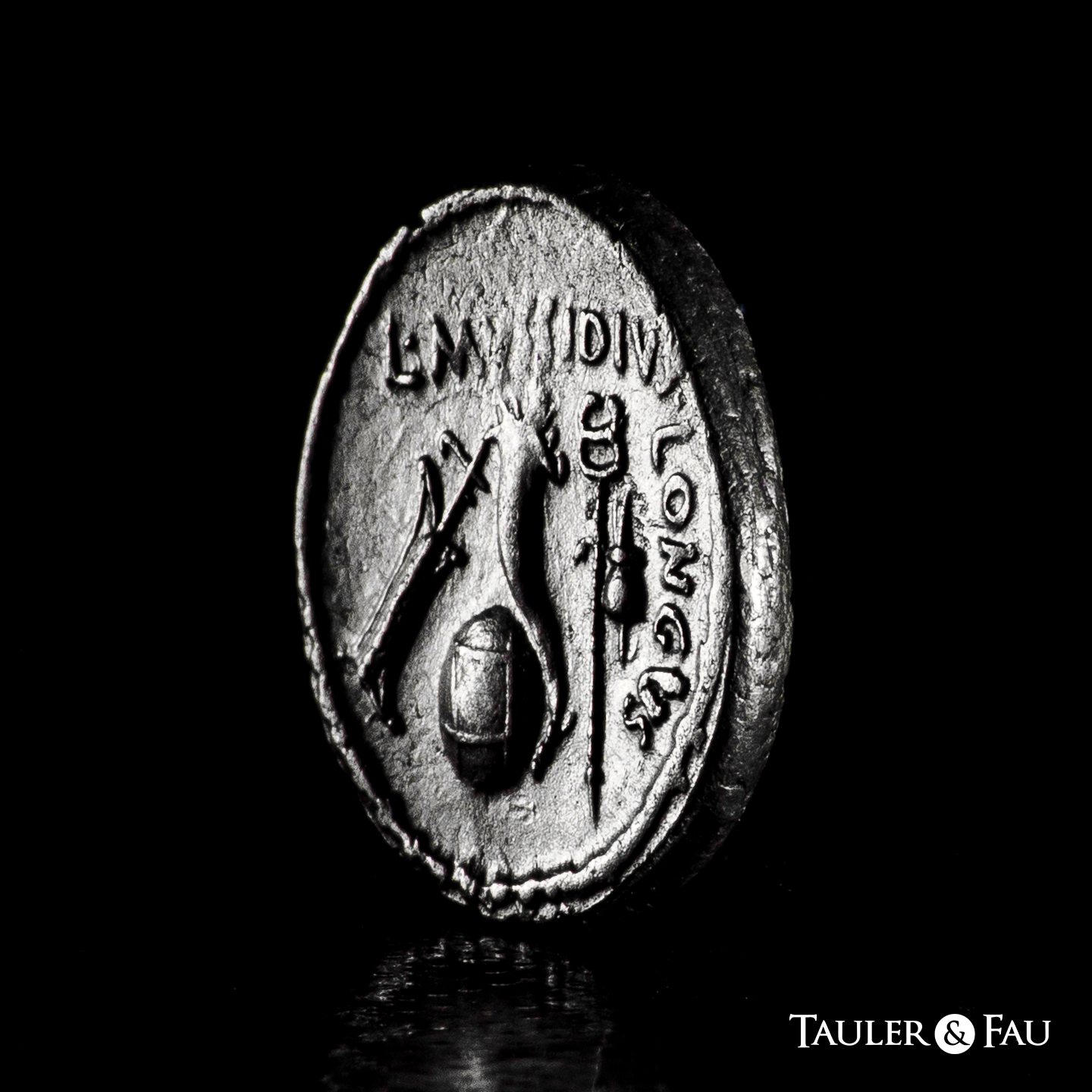
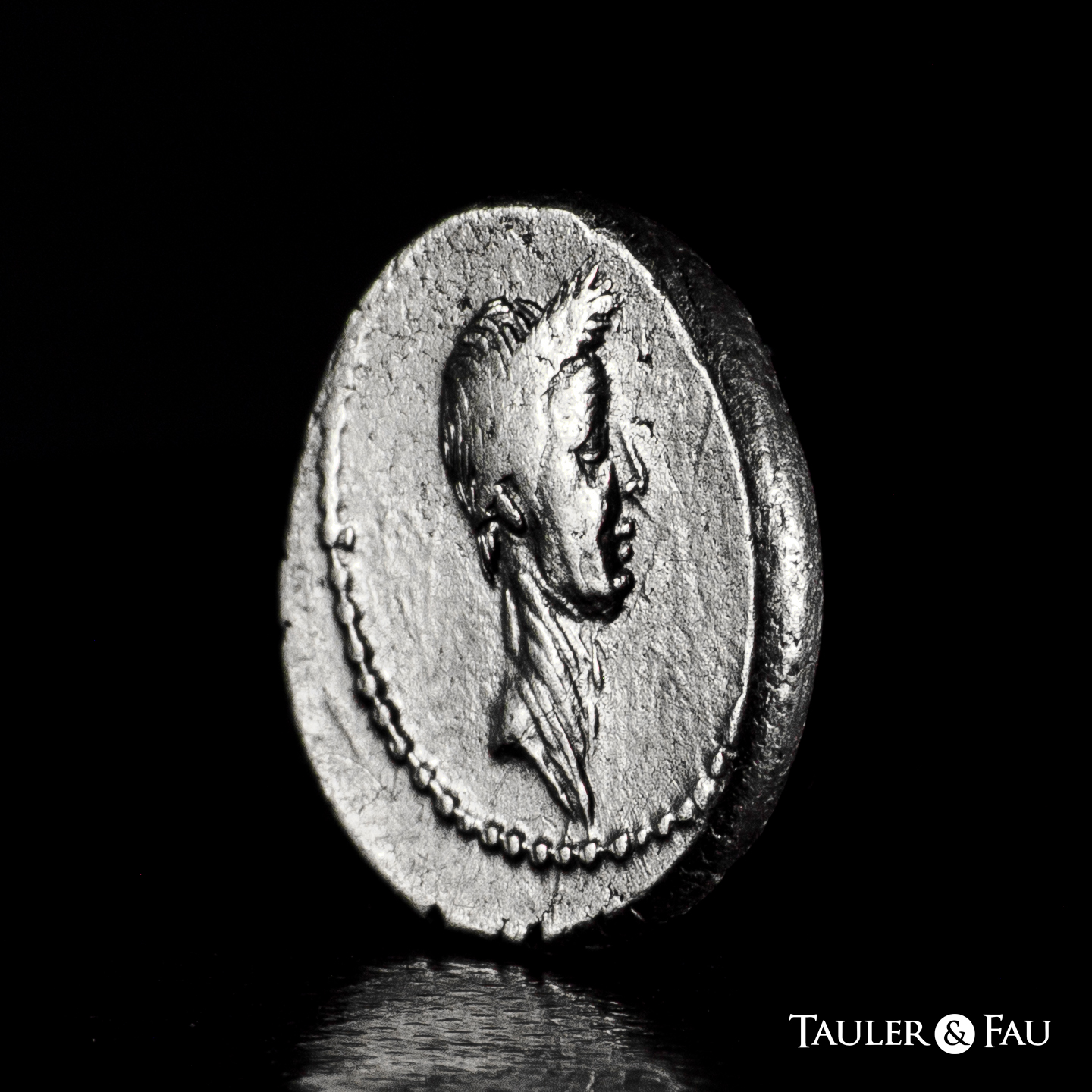
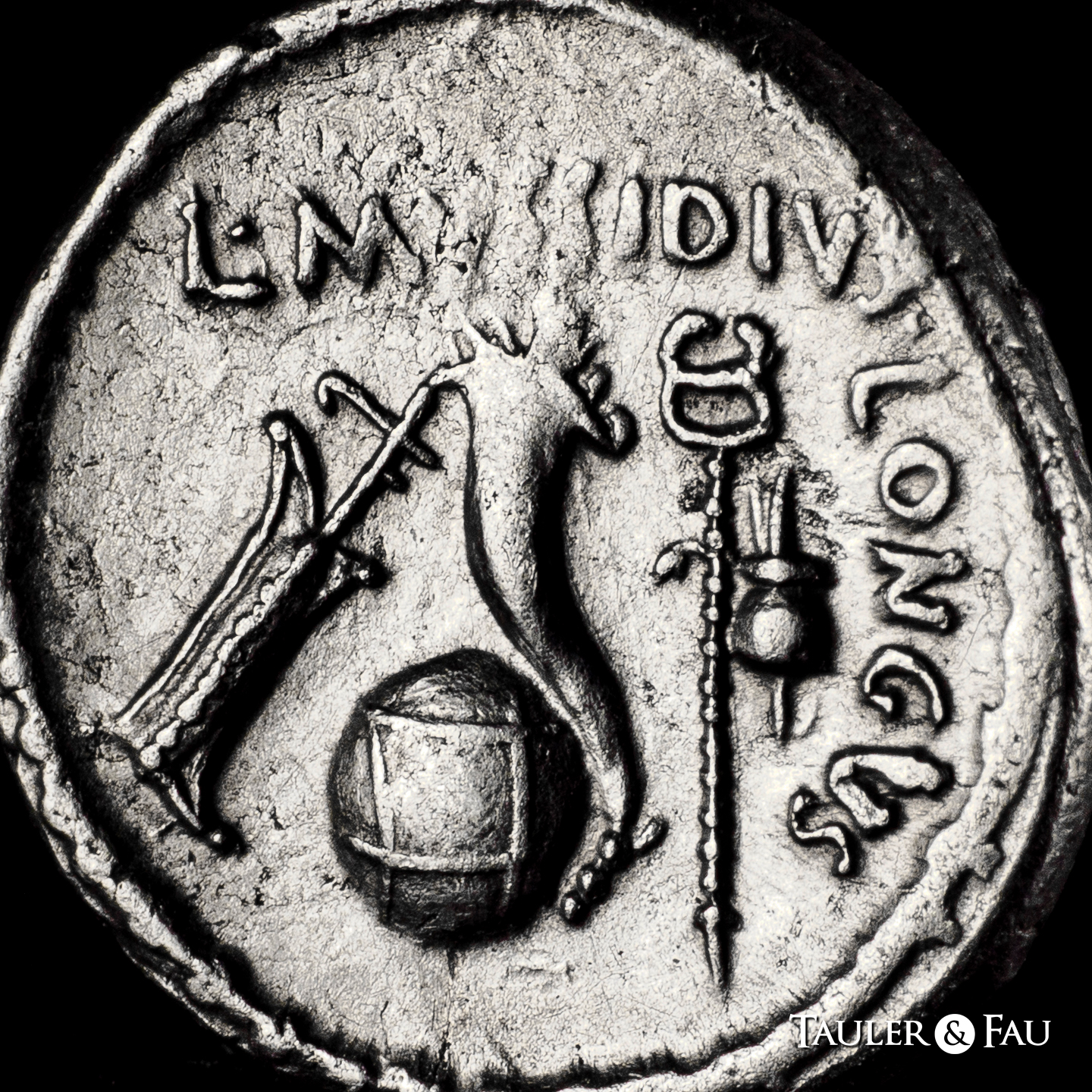
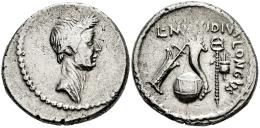
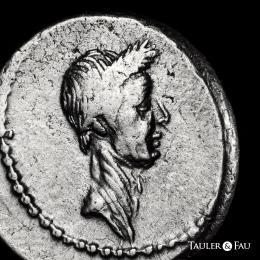
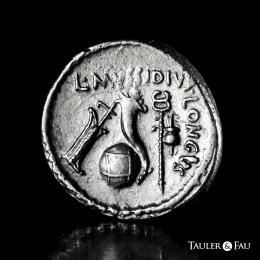
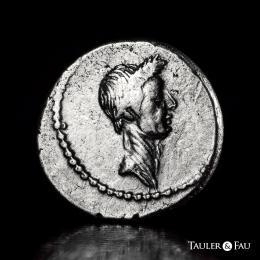
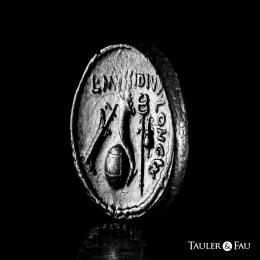
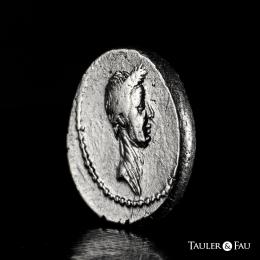
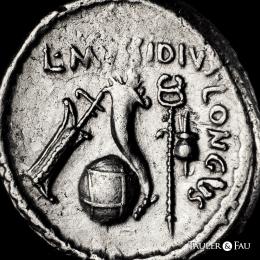
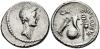
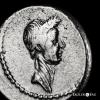
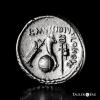
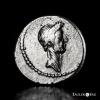
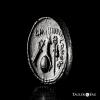
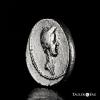
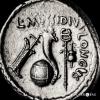
Julius Caesar. L. Mussidius Longus. Denarius. 42 BC. Galia. (Ffc-24). (Craw-494/39a). (Cal-1040). Anv.: Laureate head of Julius Caesar right. Rev.: L. MVSSIDIVS LONGVS. around (arranged in various ways) rudder, cornucopiae on globe, caduceus and priest's hat. . 3,95 g. The portrait of Julius Caesar served as a potent instrument in the propaganda of Antony and Octavian, who were on the verge of confronting Brutus and Cassius when this denarius was minted in 42 B.C. When their massive armies met at Philippi in October of that year, the Caesarian forces emerged victorious, avenging Caesar’s assassination and bringing the Roman world a step nearer to monarchy. While the image of the murdered dictator is striking, the reverse is no less rich in symbolism. The cornucopia set upon a globe and the rudder refer to Caesar’s achievements as a general who placed much of the Mediterranean under his authority; the apex points to his role as Pontifex Maximus; and the winged caduceus can be interpreted as a symbol of the prosperity and stability his conquests were believed to have bestowed upon Rome. With only a few minor exceptions, Octavian made his final major use of Caesar’s portrait in 38 B.C., when he issued remarkable coin types emphasizing his descent from the deified Caesar. Choice VF/Almost XF. Est...4000,00.
Bid history ( bids)
Auction Lots
Confirm your maximum bid
Confirm your maximum bid
Loading…
Conecting
Are you sure you want to buy the lot?
X
Confirm your maximum bid
Conecting