English
 Español

X
Historical Background
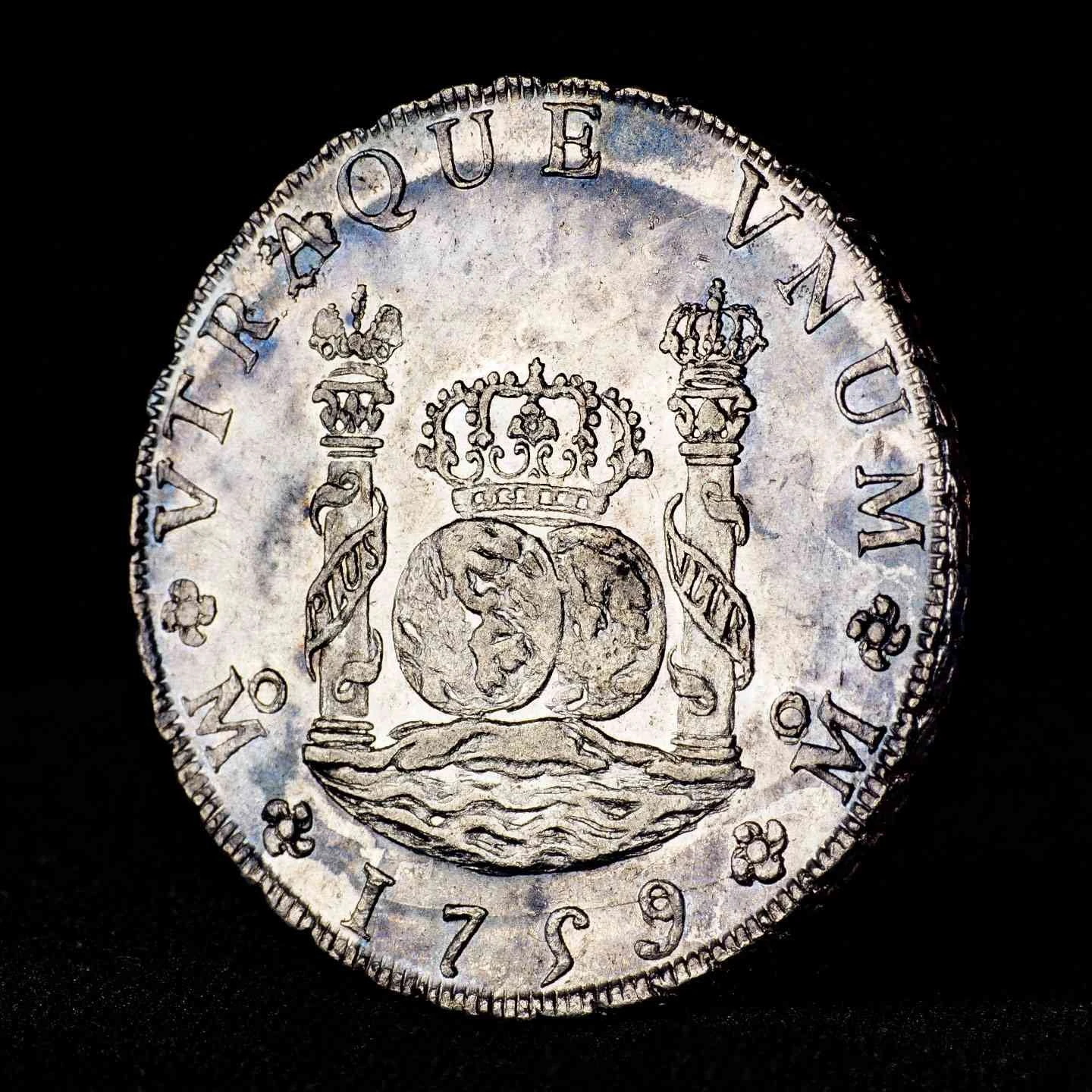
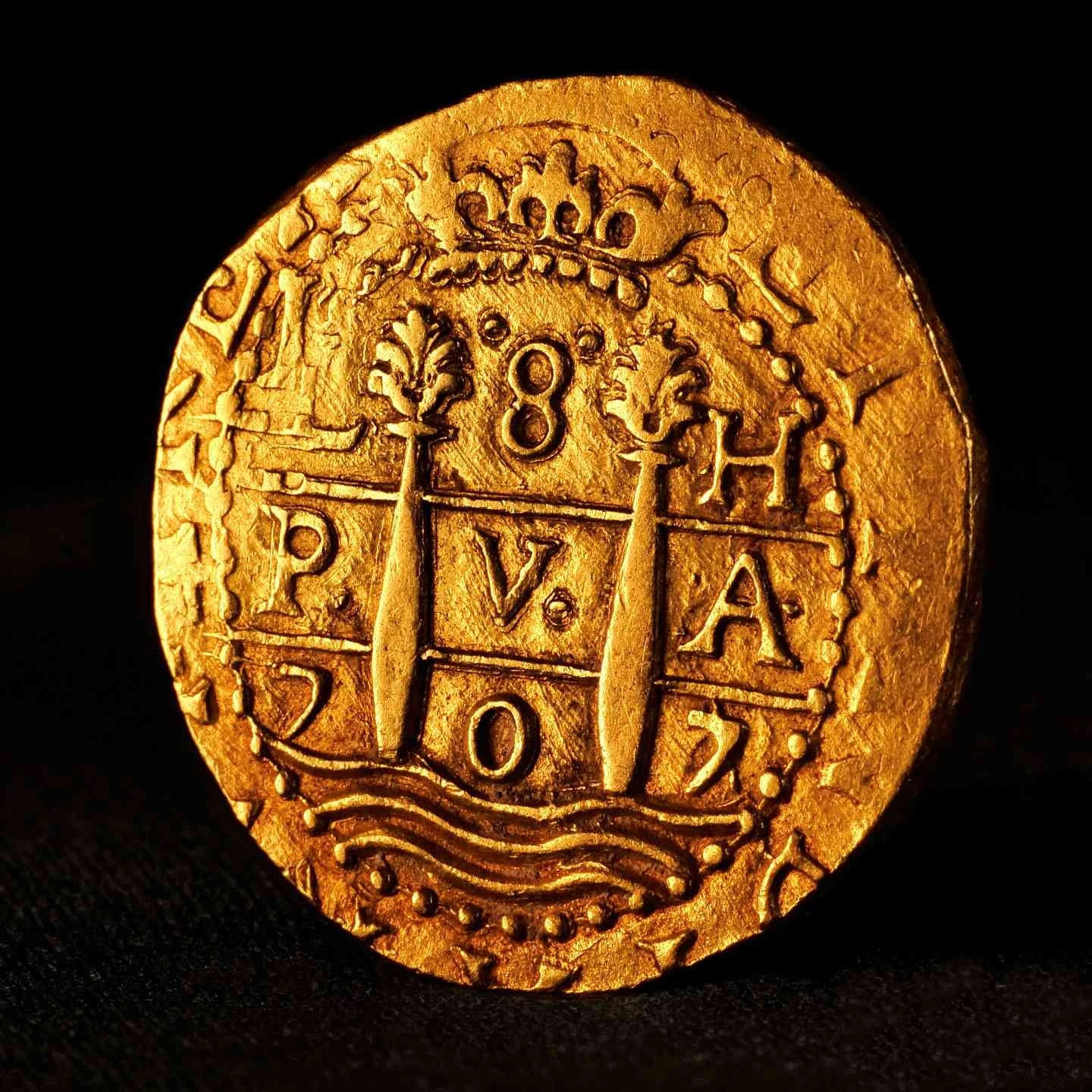
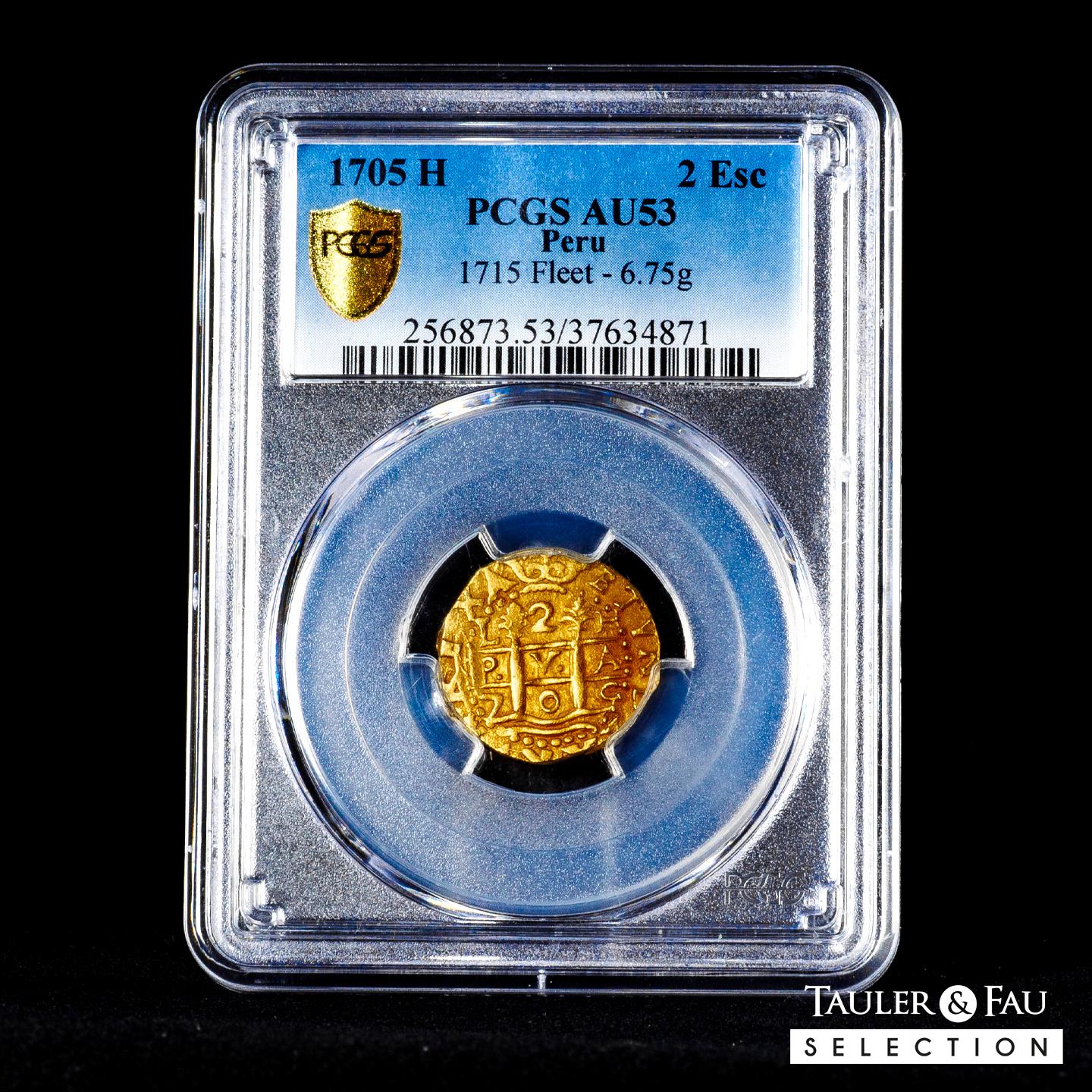
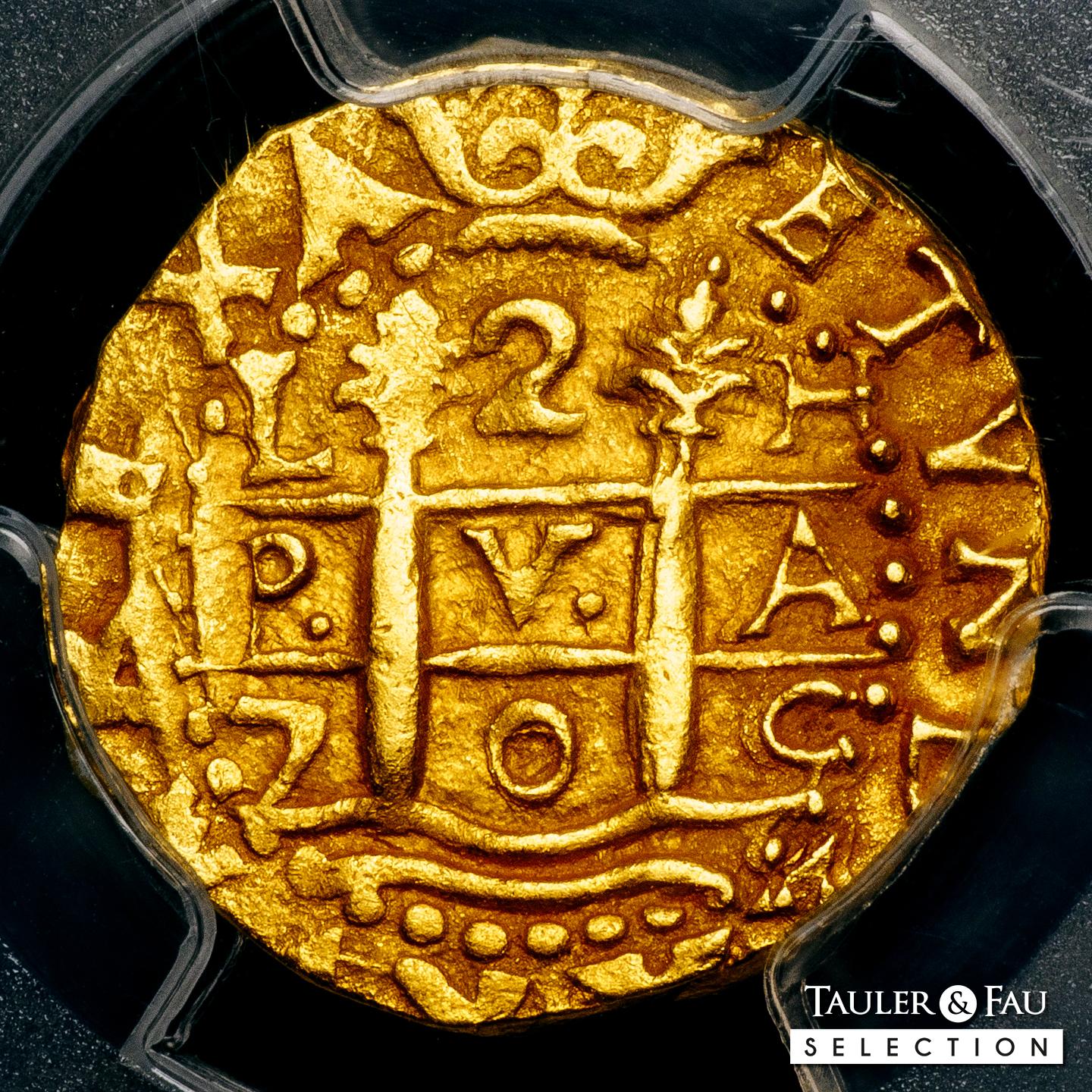
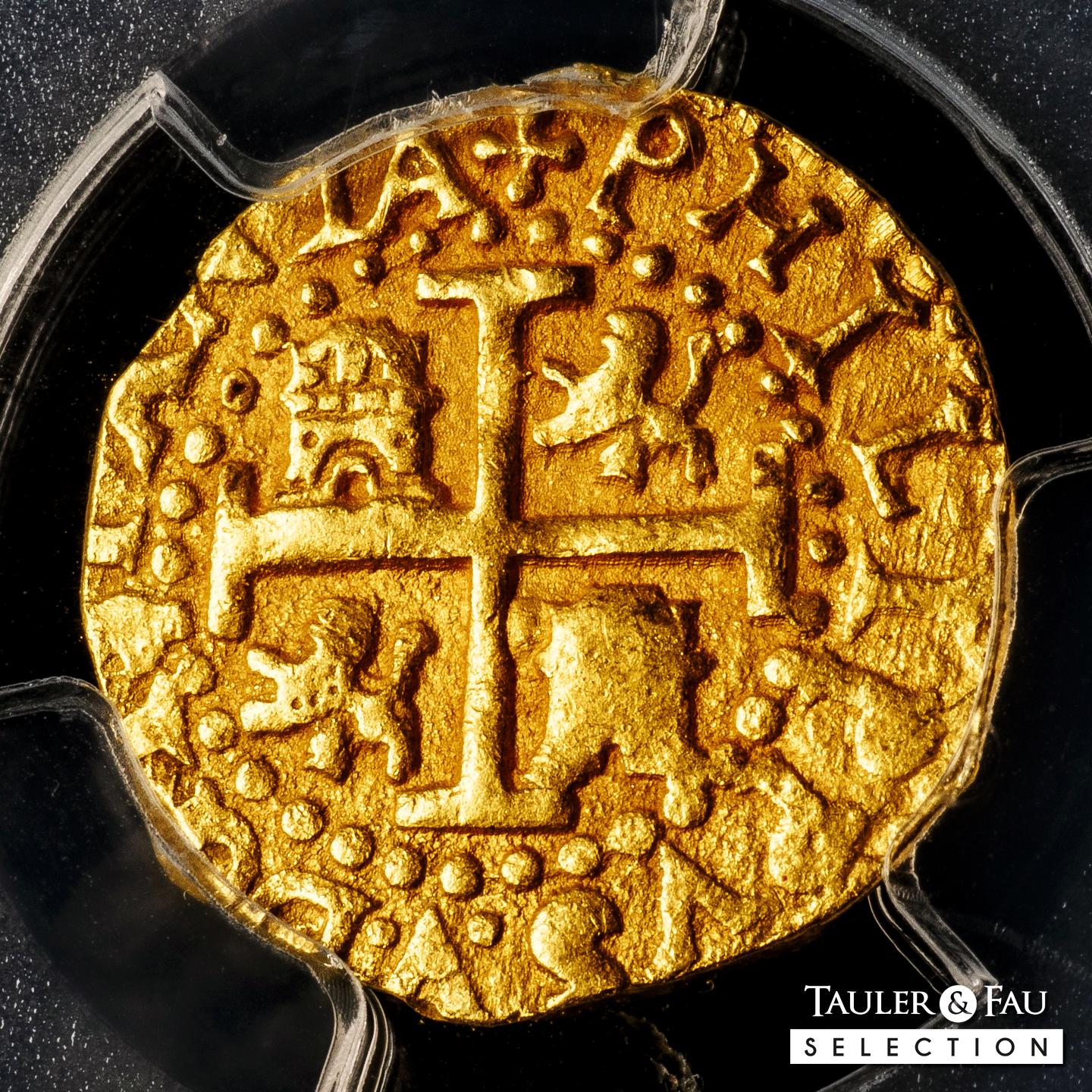
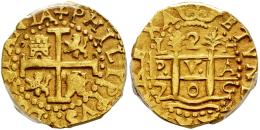
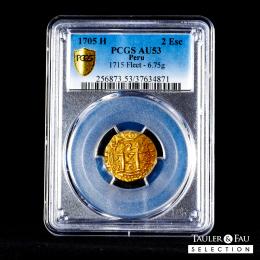
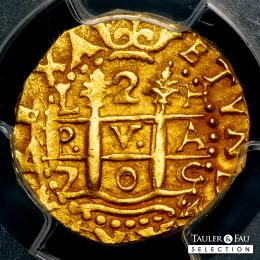
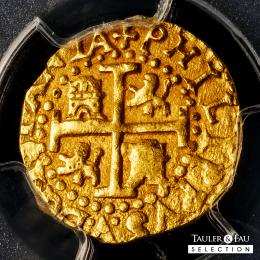
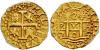
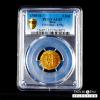
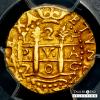
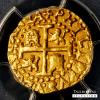
Shipwreck coins. Philip V (1700-1746). 2 escudos. 1705. Lima. H. (Cal-1822). (Tauler-244). . 6,75 g. Uniformly struck, with all key elements clearly visible and full legends throughout. Attractive orange toning enhances its visual eye appeal. Very rare, especially in this level of preservation.
Recovered from the 1715 Spanish Fleet, wrecked off the east coast of Florida.
Encapsulated by PCGS as AU 53 (Top Pop), the finest example recorded in the PCGS census.
The 1715 Fleet, composed of the galleons of Nueva España and Tierra Firme and laden with a vast shipment of gold, silver, jewelry, and high-value goods, sailed from Havana bound for Spain in July of that year.
On July 30-31, a hurricane drove the convoy onto the east coast of Florida, where eleven ships were lost, over 1,000 lives perished, and more than 14 million pesos—plus an even greater amount in contraband—were swallowed by the sea.
Although Spanish salvage crews recovered nearly half of the registered treasure, in 1716 the coastal storehouse was raided by British freebooters under Henry Jennings, who carried off some 350,000 pesos.
The remainder of the treasure lay buried beneath the sand for more than two centuries, until the 1950s, when researcher Kip Wagner identified the first traces of the wrecks, leading to the creation of the famed Real Eight Company, later joined by figures such as Mel Fisher.
Since then, Florida’s “Treasure Coast” has yielded hundreds of thousands of silver cobs, an exceptional quantity of gold onzas, as well as jewelry, porcelains, and liturgical objects.
Today, the 1715 Fleet is recognized as the largest known source of New World gold cobs and one of the most iconic assemblages in colonial numismatics, its finds originating from multiple wrecksites whose precise identification remains an active subject of research. Est...6000,00.
Bid history ( bids)
Auction Lots
Confirm your maximum bid
Confirm your maximum bid
Loading…
Conecting
Are you sure you want to buy the lot?
X
Confirm your maximum bid
Conecting