English
 Español
X
Historical Background
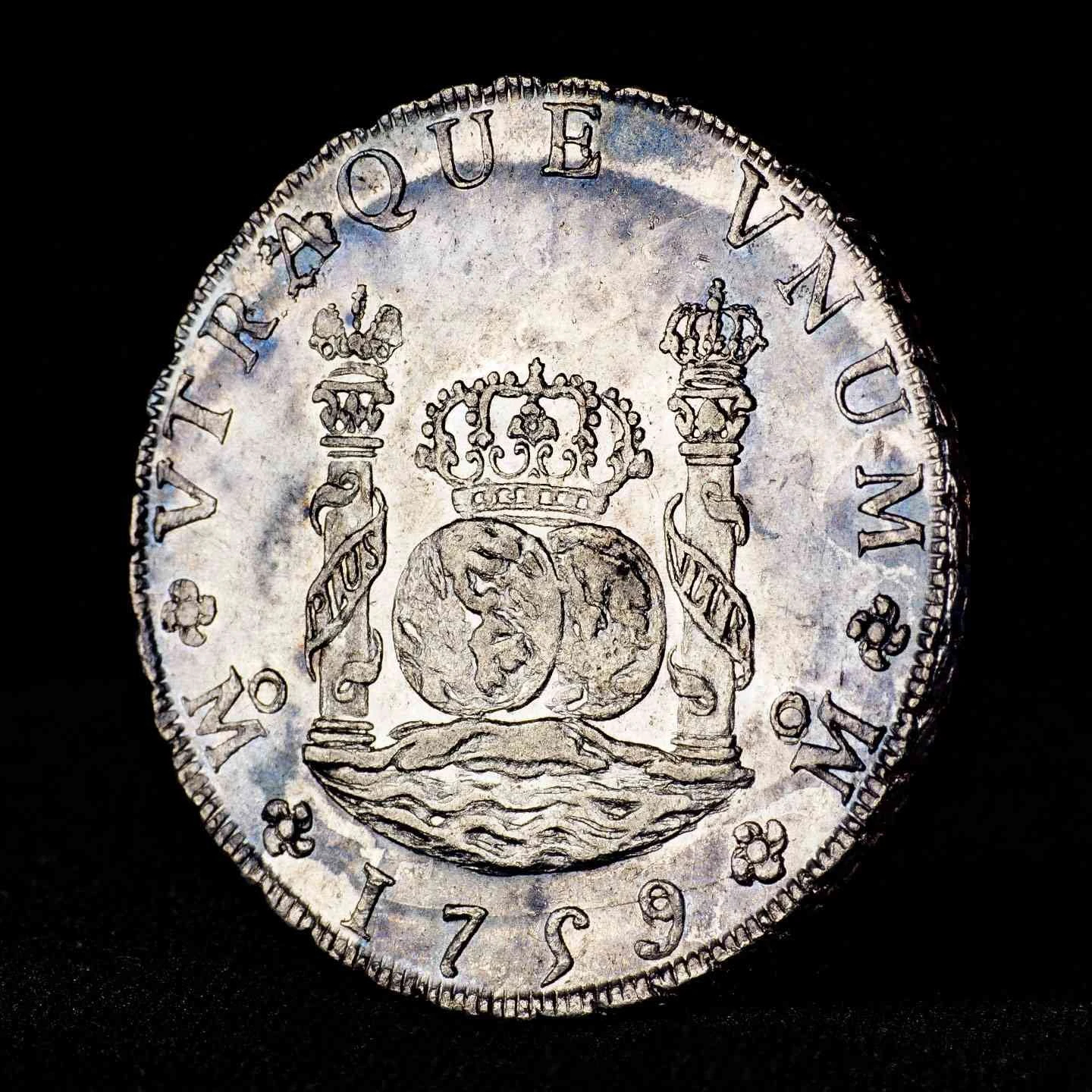
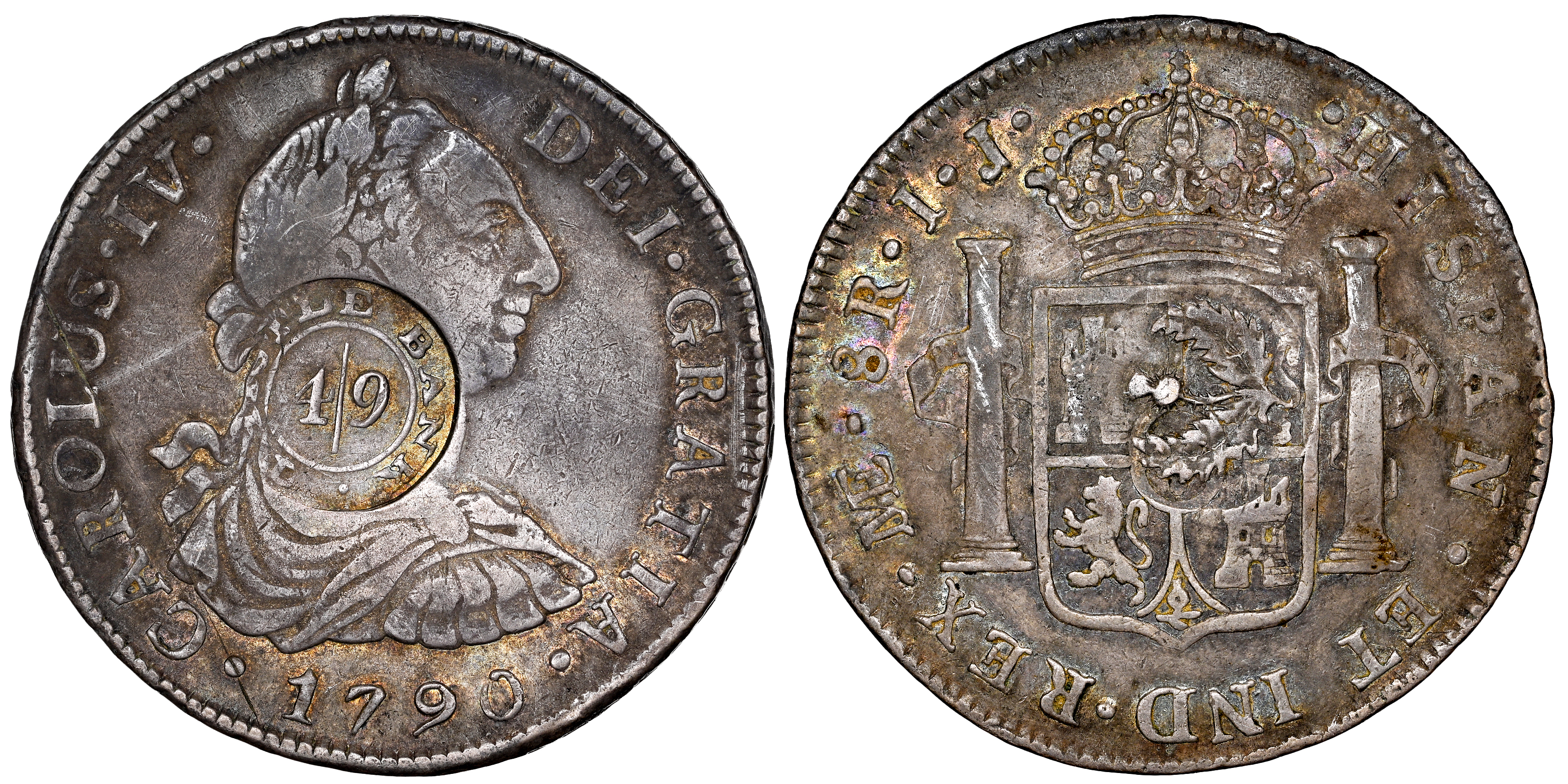
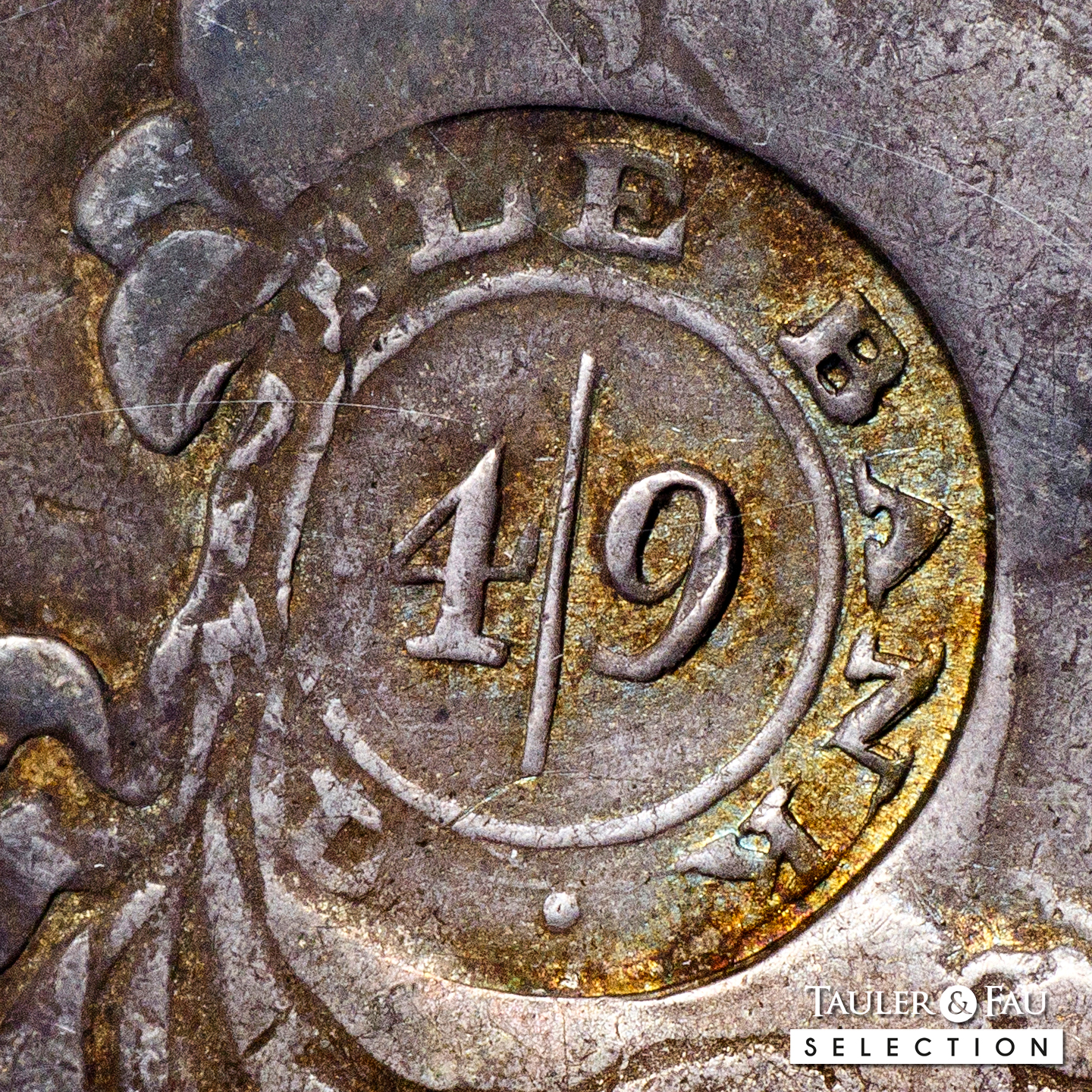
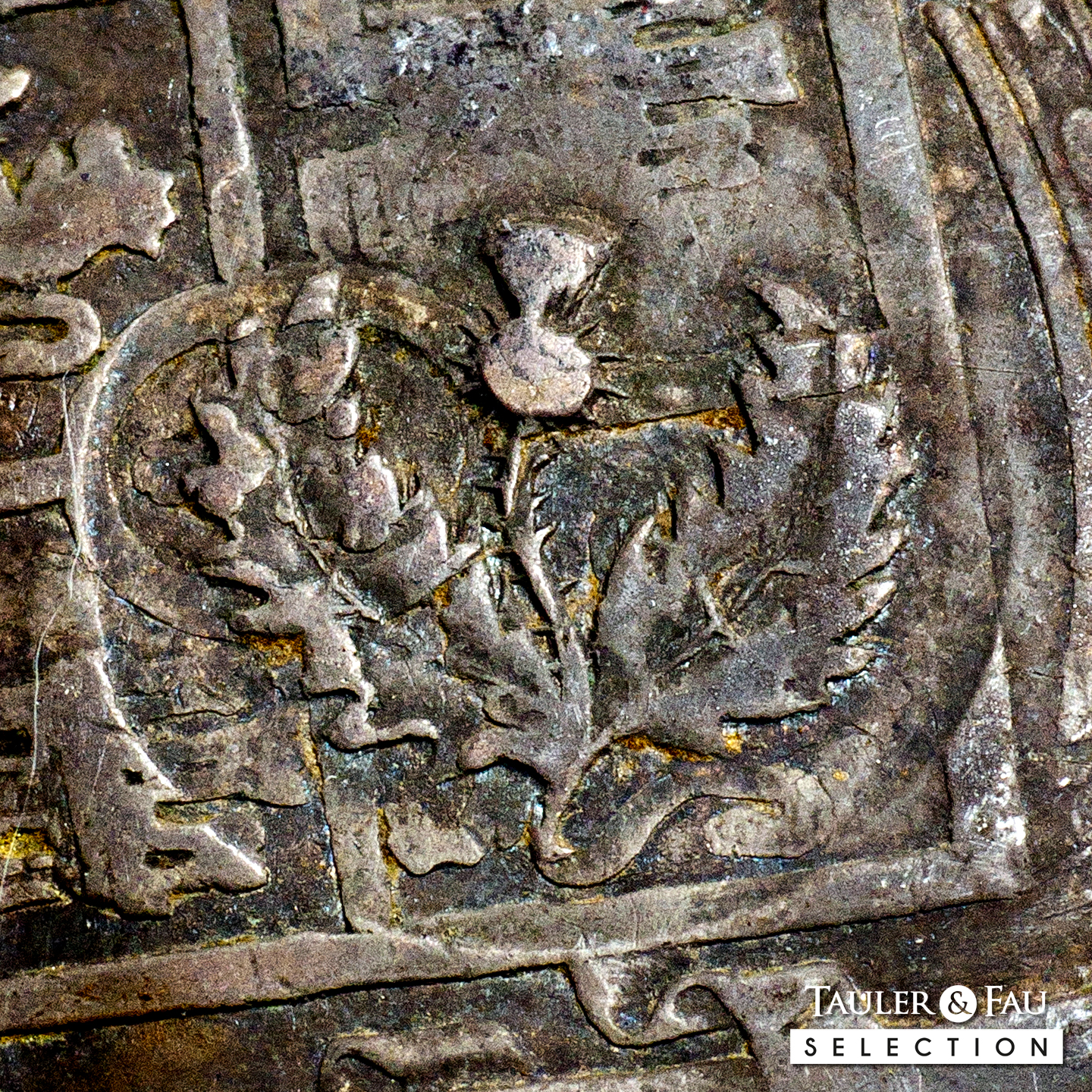
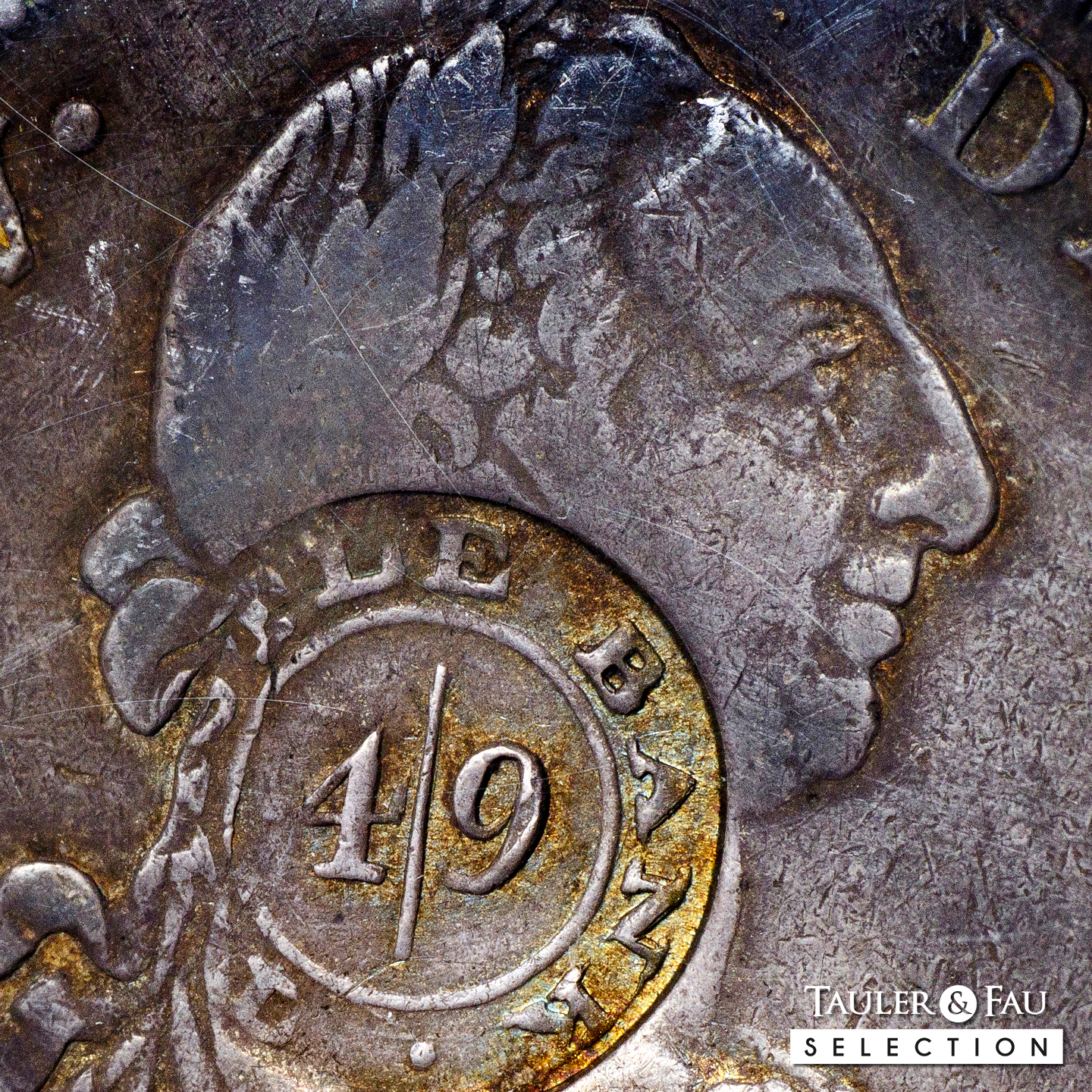
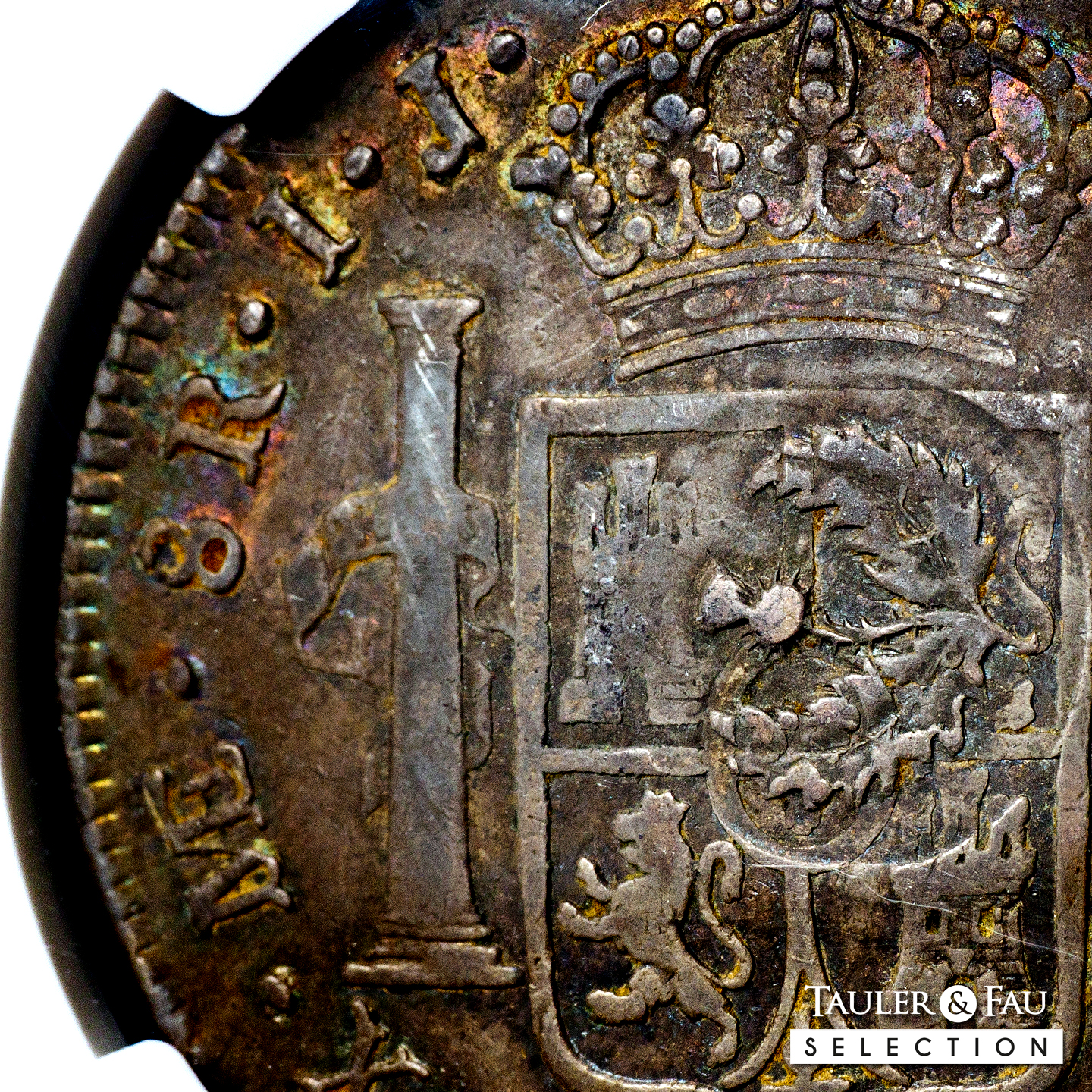
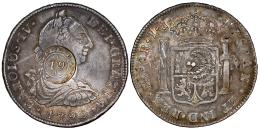
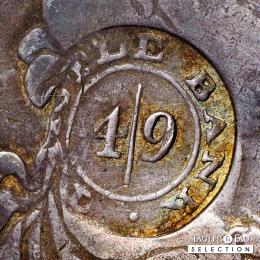
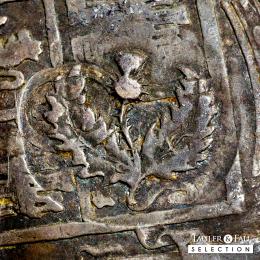
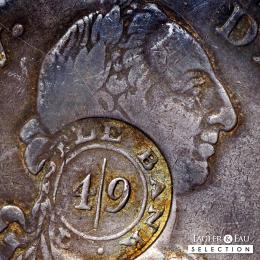
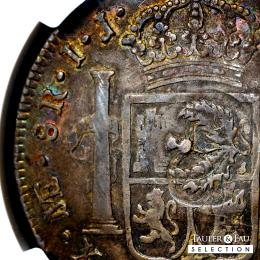
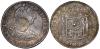
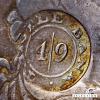
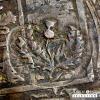
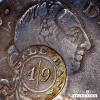
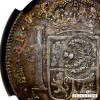
Scotland. Circular countermark “THISTLE BANK 4/9”, deep and very well detailed, with horizontal thistle on the reverse. Applied between 1803 and 1804 to an 8 reales struck in Lima in 1790-IJ, with the bust of Charles III under the reign of Charles IV, for circulation at a value of 4 shillings and 9 pence. (Manville-46). Attractive toning with light iridescent highlights on the countermark. Very rare.
Hodge traced only 2 examples of this date for Lima, both in museum collections.
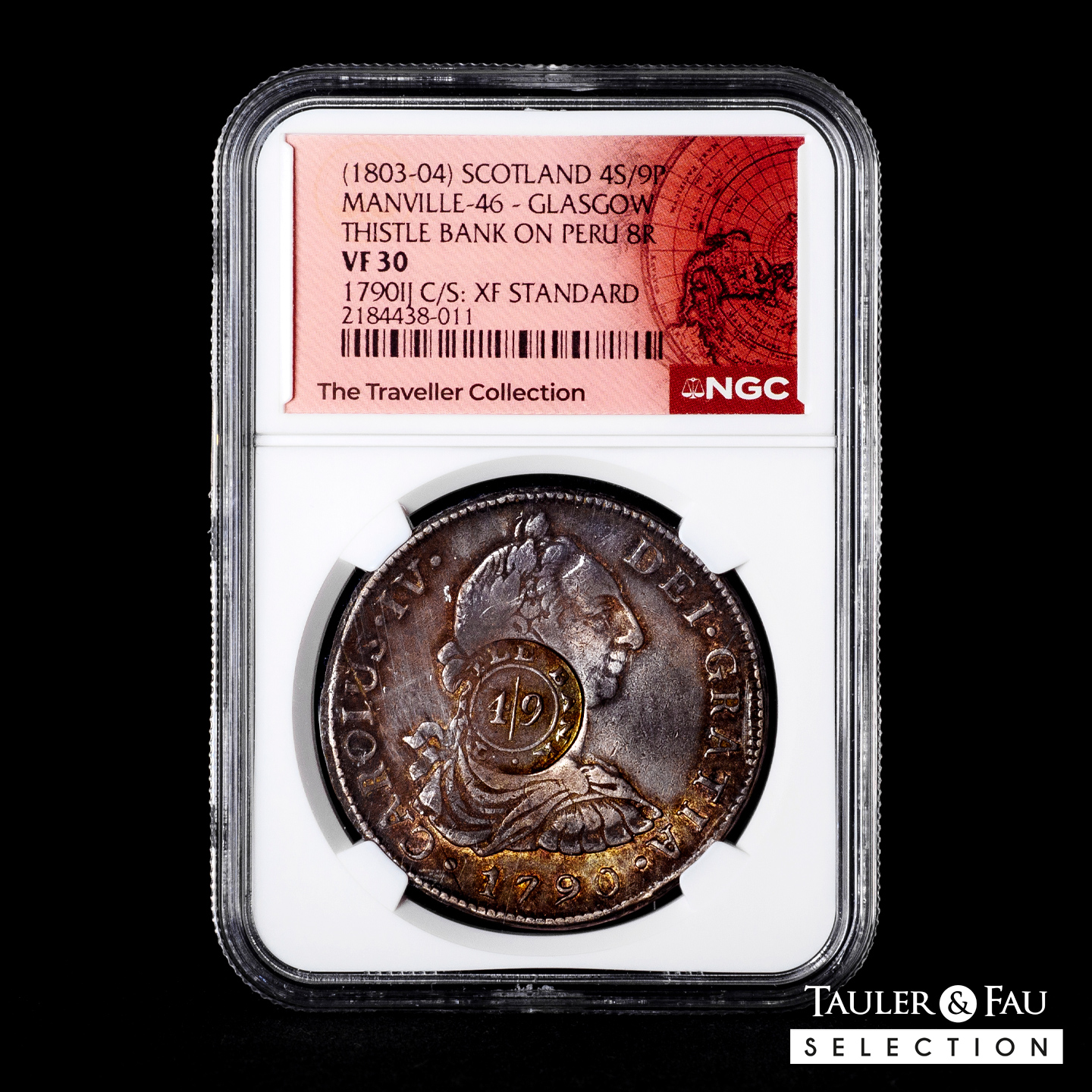
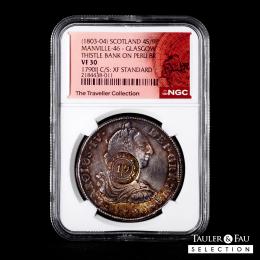
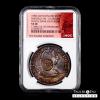
Slabbed by NGC as VF 30, C/S: XF Standard (Top Pop), the finest graded specimen in the NGC census. Special “The Traveller Collection” label.
Thistle Bank of Glasgow was founded in 1761 by a group of merchants from the city. In the early years of the 19th century, Great Britain suffered from a severe shortage of circulating silver coinage. The large Spanish and Mexican 8 reales —the famous “Spanish dollars”— contained abundant silver and circulated internationally, so British banks and companies began countermarking them with a guaranteed value in shillings in order to keep them in local circulation.
The aim was to give foreign silver coinage a fixed value, slightly above the monetary value it would have had without the bank’s guarantee. In this way, two objectives were achieved: silver was retained within the local economy, and users could trust that Thistle Bank would accept the piece at the marked value.
It was not simply an ownership countermark. In practice, it functioned as a private monetary issue guaranteed by a bank. Est...3500,00.
Auction Lots
Confirm your maximum bid
Confirm your maximum bid
Loading…
Conecting
Are you sure you want to buy the lot?
X
Confirm your maximum bid
Conecting