English
 Español
X
Historical Background
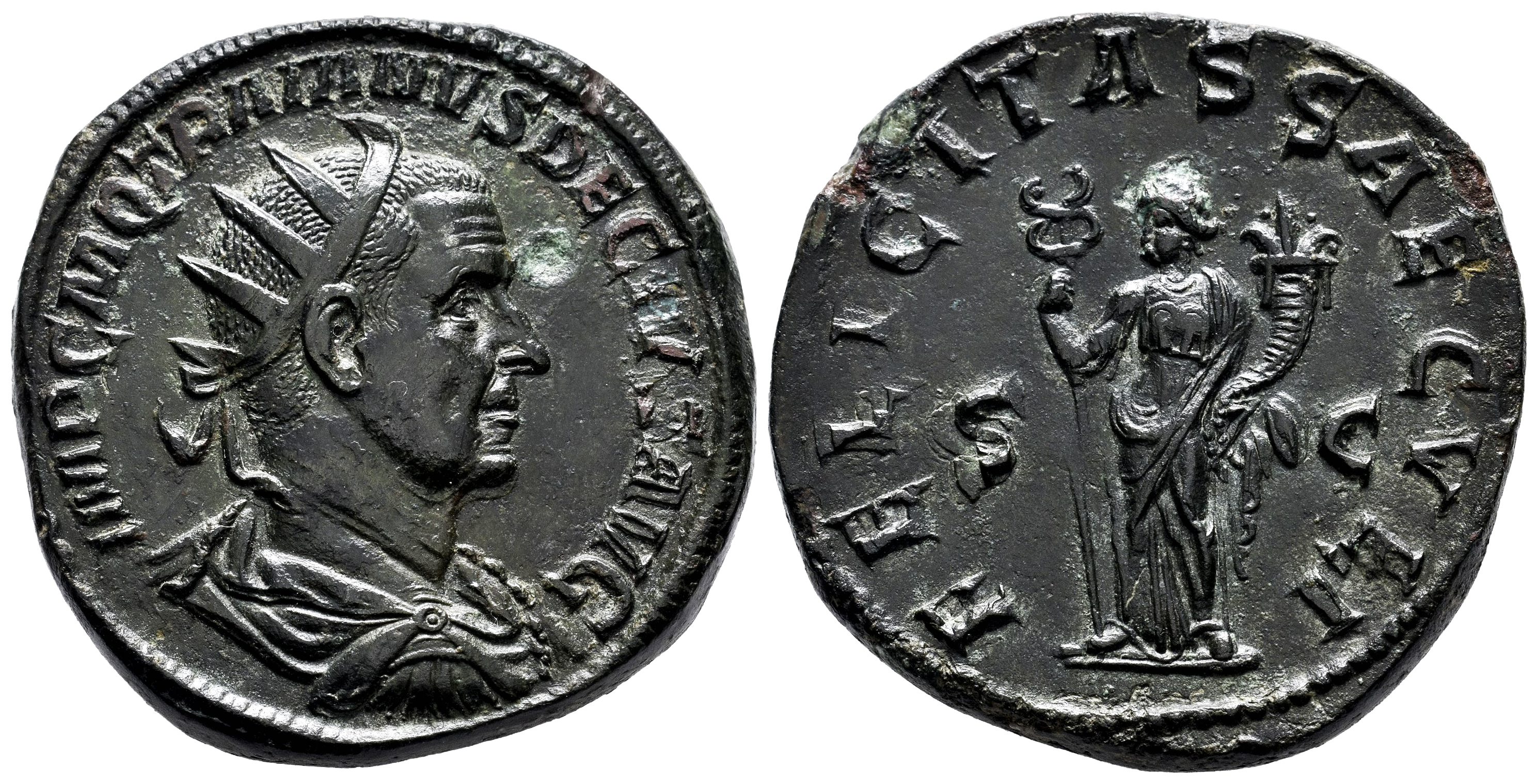
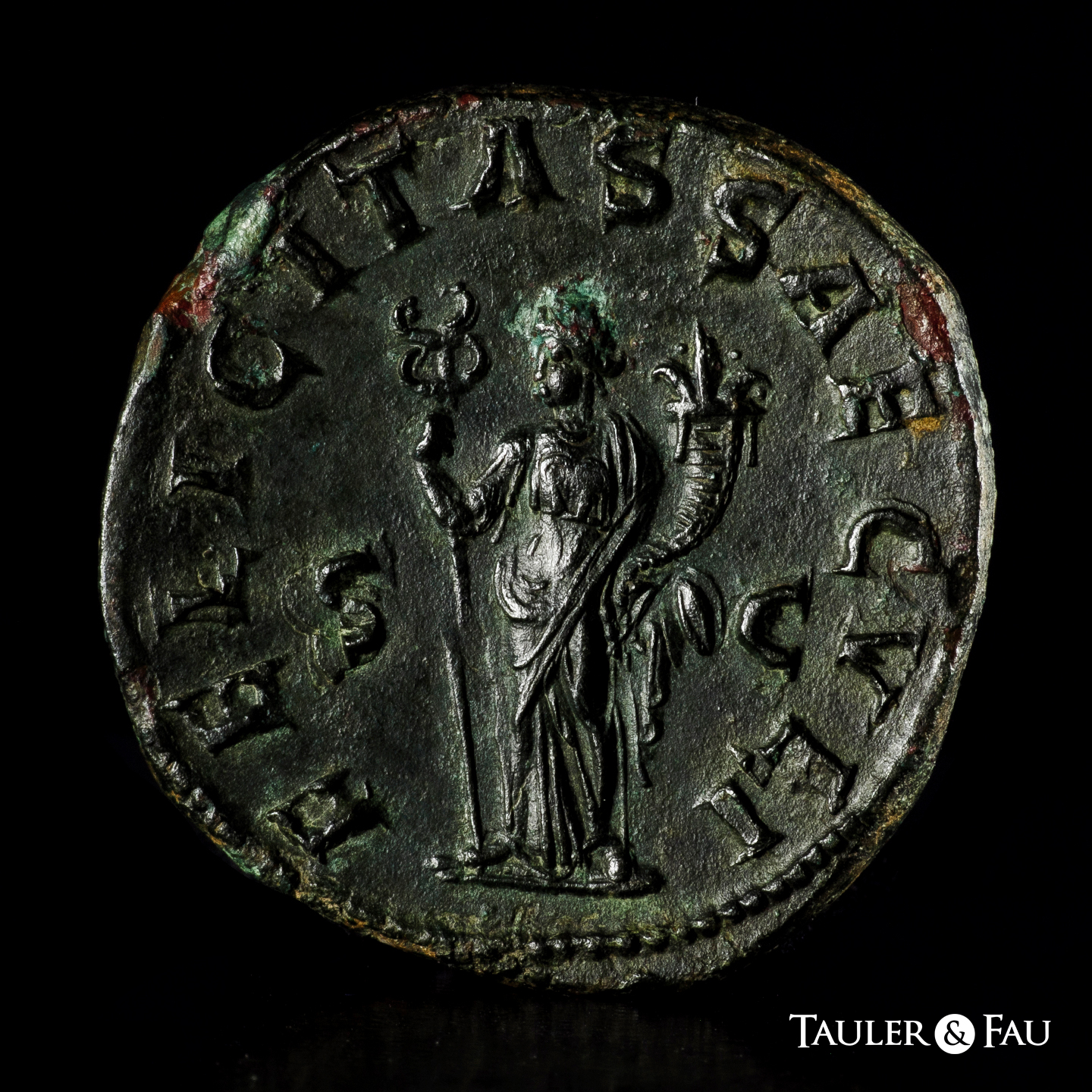
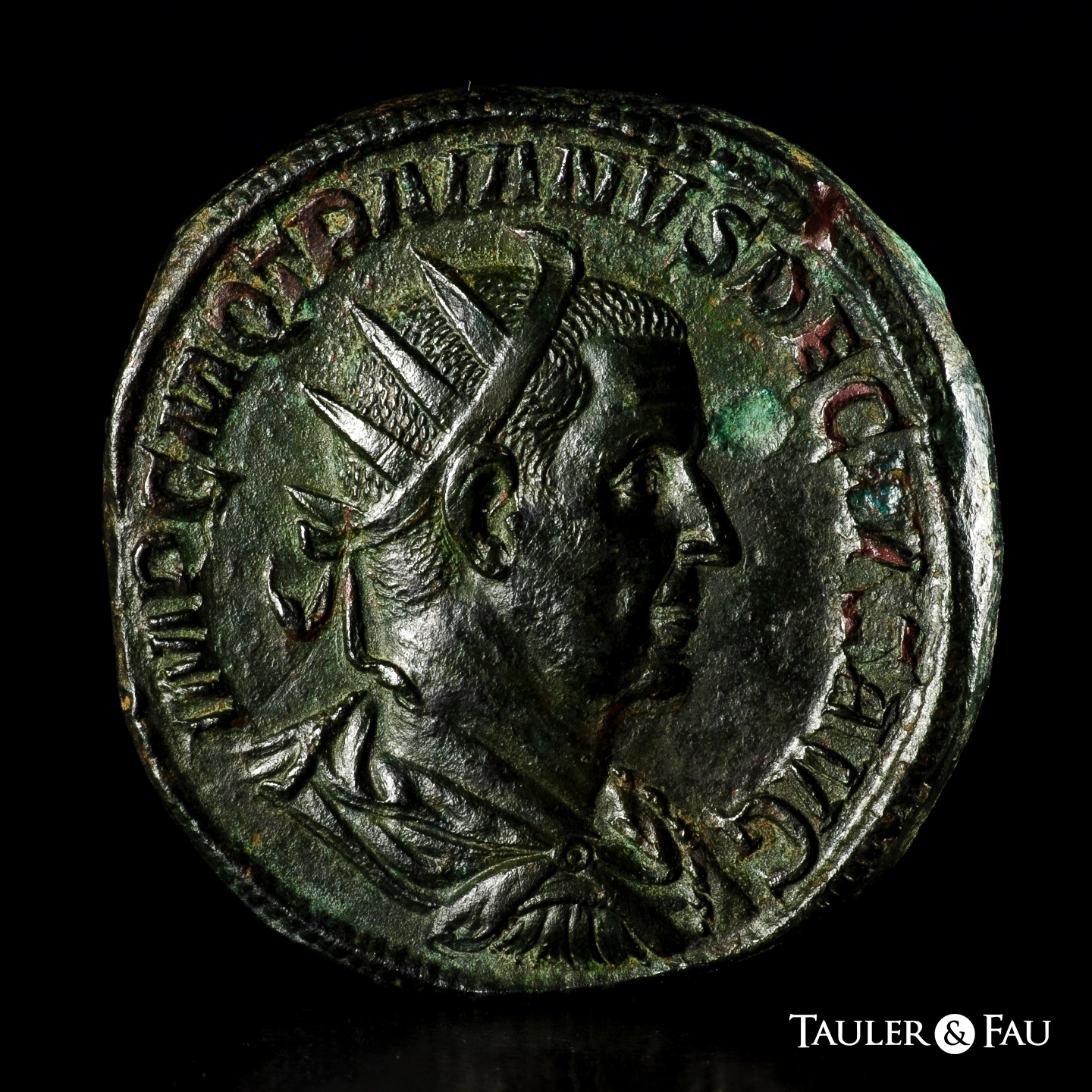
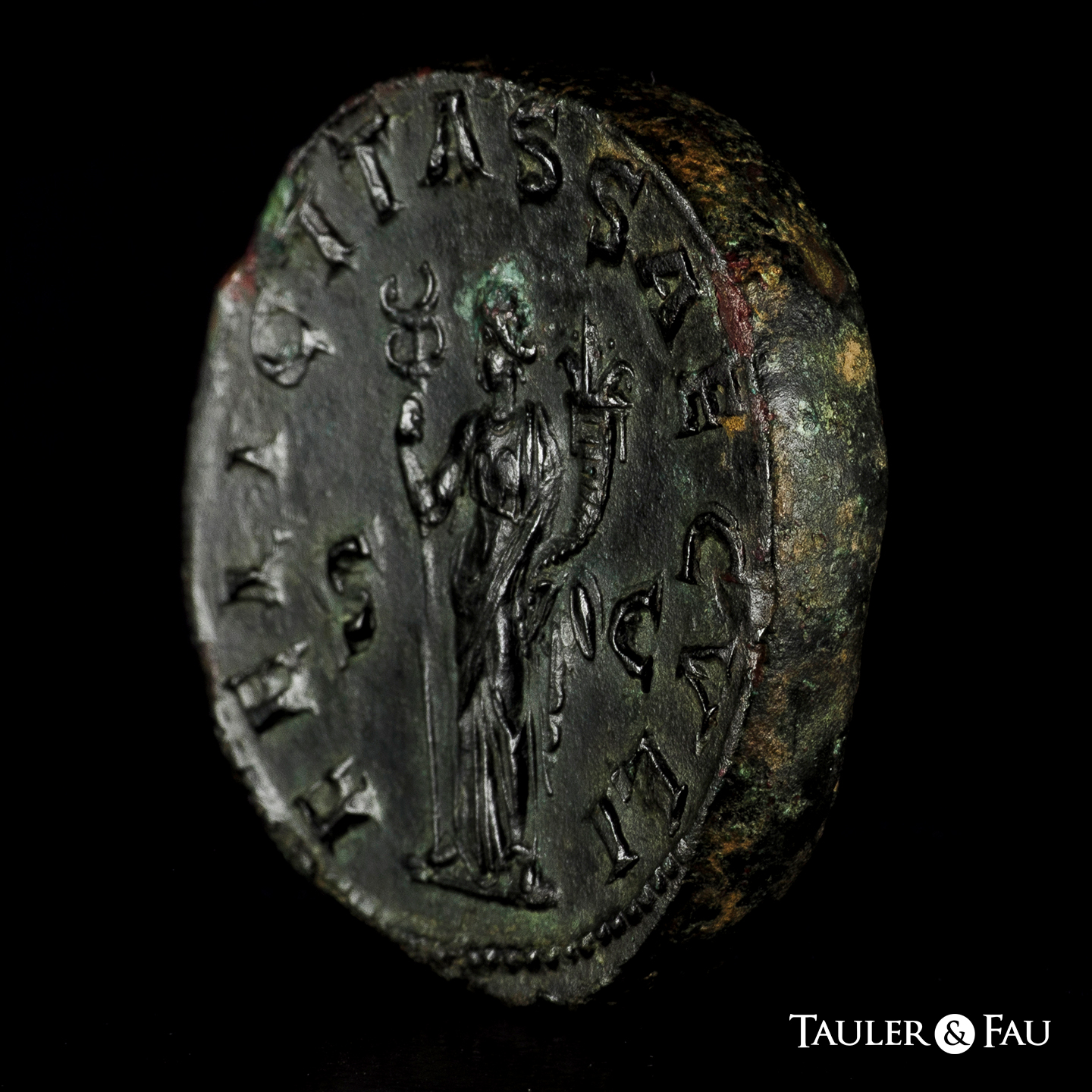
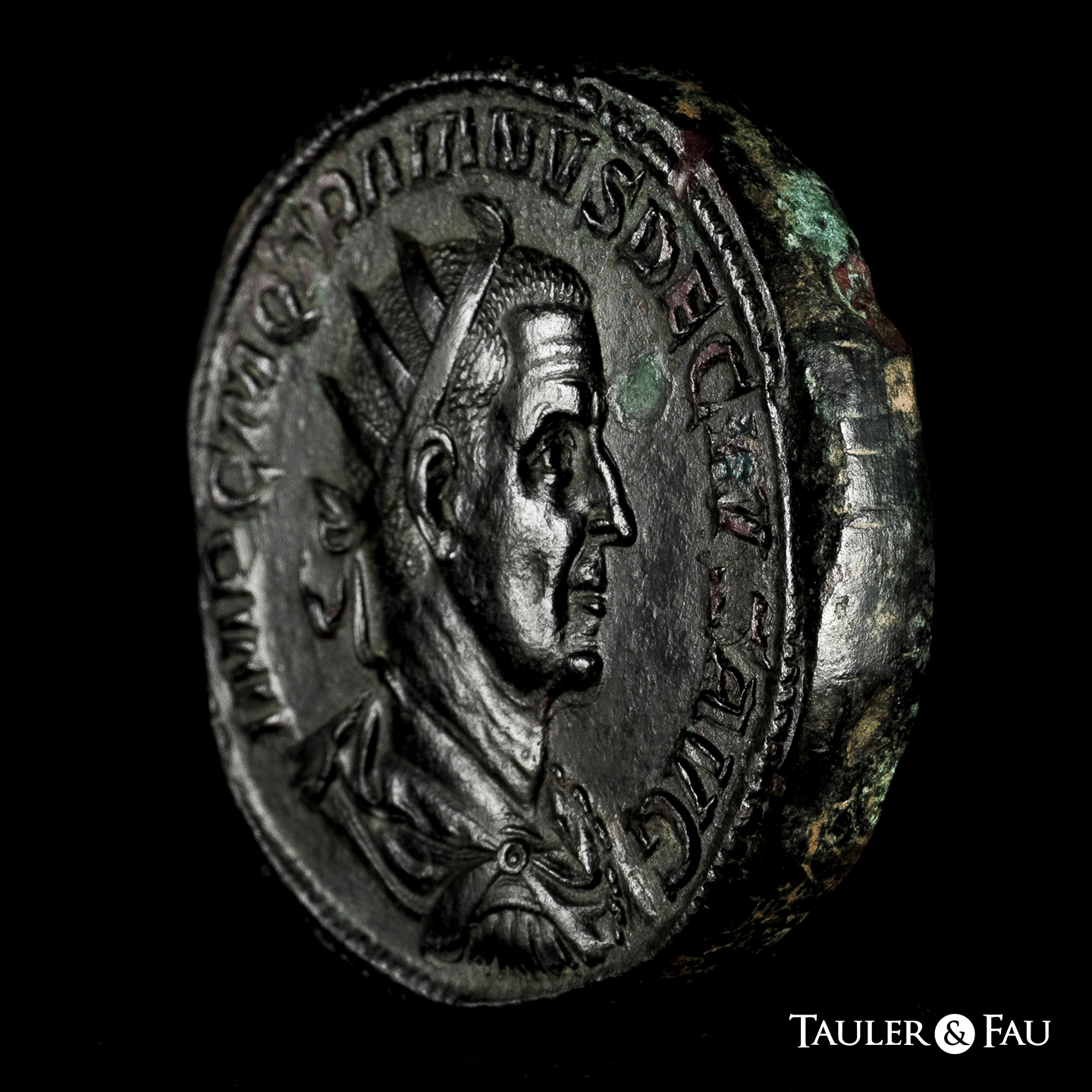
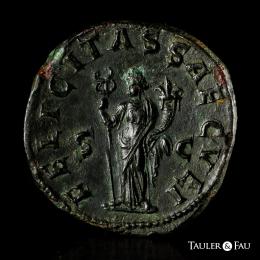
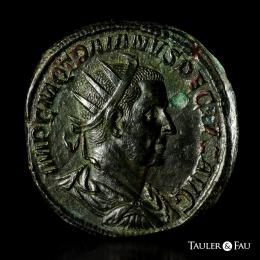
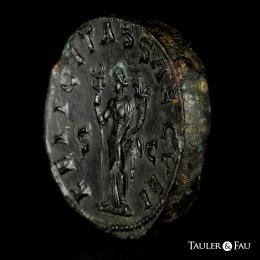
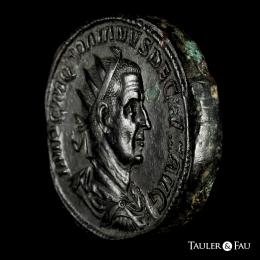
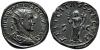
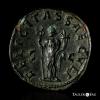
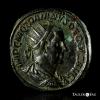
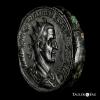
Trajan Decius. Double sestertius. 250-251 AD. Rome. (Ric-115c). (Rsc-40). Anv.: IMP C M Q TRAIANVS DECIVS AVG. Busto radiado y con coraza de Trajano Decio hacia la derecha, visto desde atrás. Rev.: FELICITAS SAECVLI. Felicitas en pie, de frente, mirando a la izquierda; sosteniendo un largo caduceo en la mano derecha y una cornucopia en la izquierda; S C a través de los campos. . 47,70 g.
Exceptional specimen of an iconic type of Roman coinage, distinguished by its impressive appearance. Boldly struck, perfectly centered and exceptionally sharp, with all the engraved details clearly visible. Its broad 36 mm planchet and considerable weight give it proportions reminiscent of a true Roman medallion.
Undoubtedly a magnificent piece that will attract the attention of the most discerning collectors and occupy a prominent place in any specialized collection.
The double sestertius, a large orichalcum coin, was introduced during the reign of Trajan Decius (AD 249-251) in response to inflation and the declining purchasing power of the traditional sestertius.
Born in Pannonia, Decius pursued a distinguished military and administrative career. Proclaimed emperor by his troops in AD 249, he defeated Philip I and adopted the name Trajan, evoking the grandeur of Rome. His brief reign was marked by attempts to restore imperial authority and conflicts along the Danube frontier, where he was killed fighting the Goths at the Battle of Abritus (AD 251), alongside his son Herennius Etruscus.
His coinage was notable for the introduction of the double sestertius and the growing importance of the antoninianus, reflecting the monetary changes and economic difficulties faced by the Empire during the Crisis of the Third Century. AU. Est...5000,00.
Auction Lots
Confirm your maximum bid
Confirm your maximum bid
Loading…
Conecting
Are you sure you want to buy the lot?
X
Confirm your maximum bid
Conecting