English
 Español
X
Historical Background
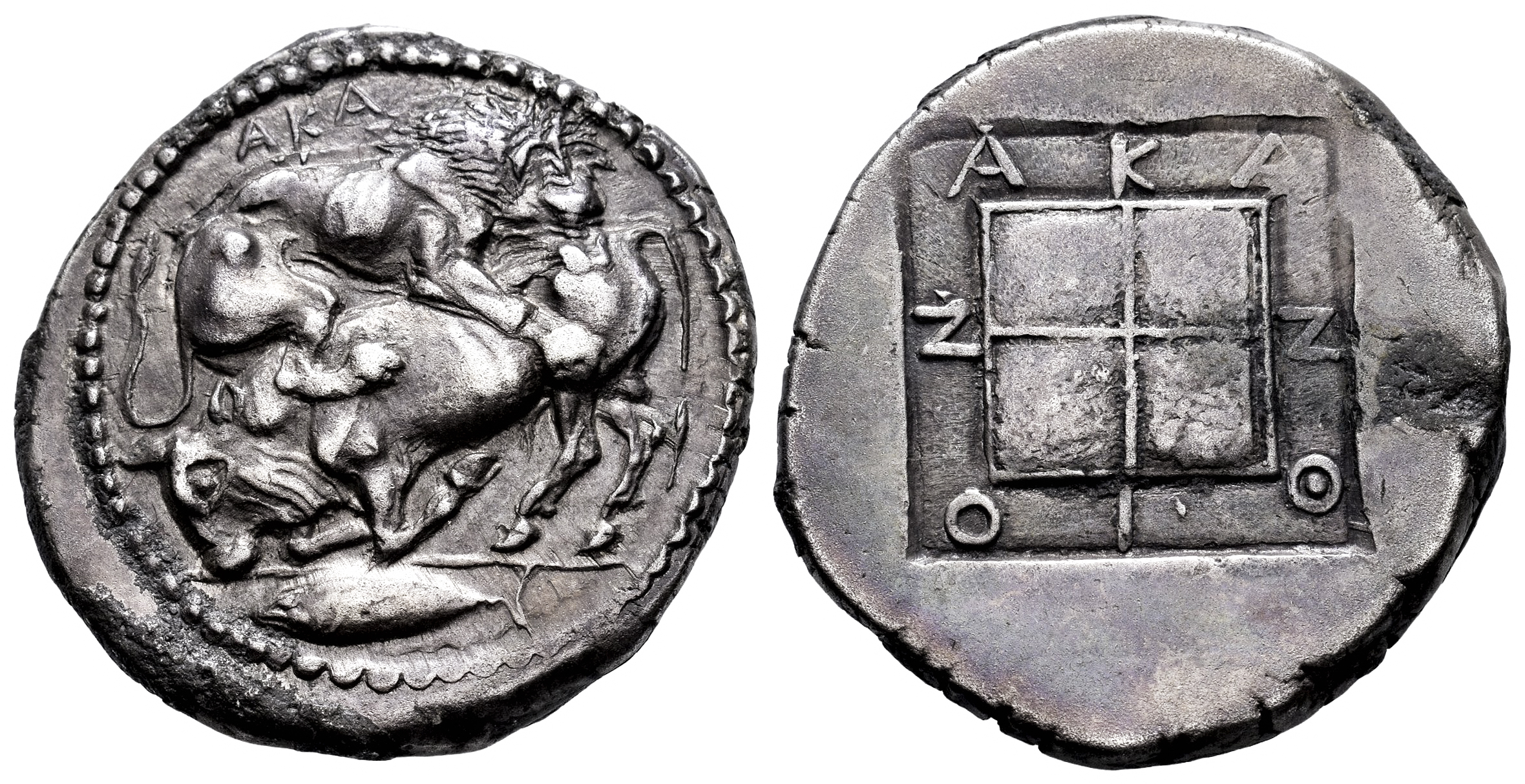
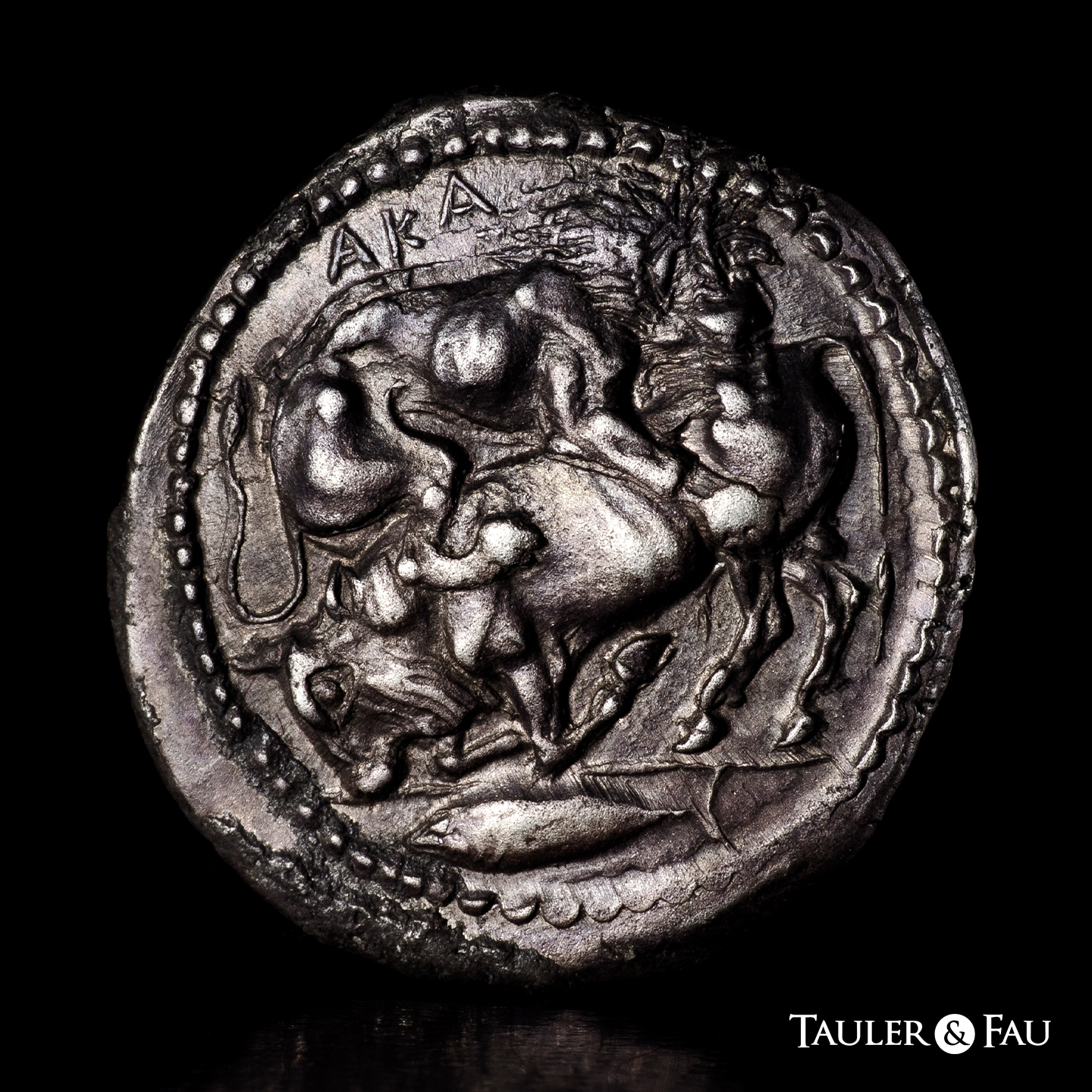
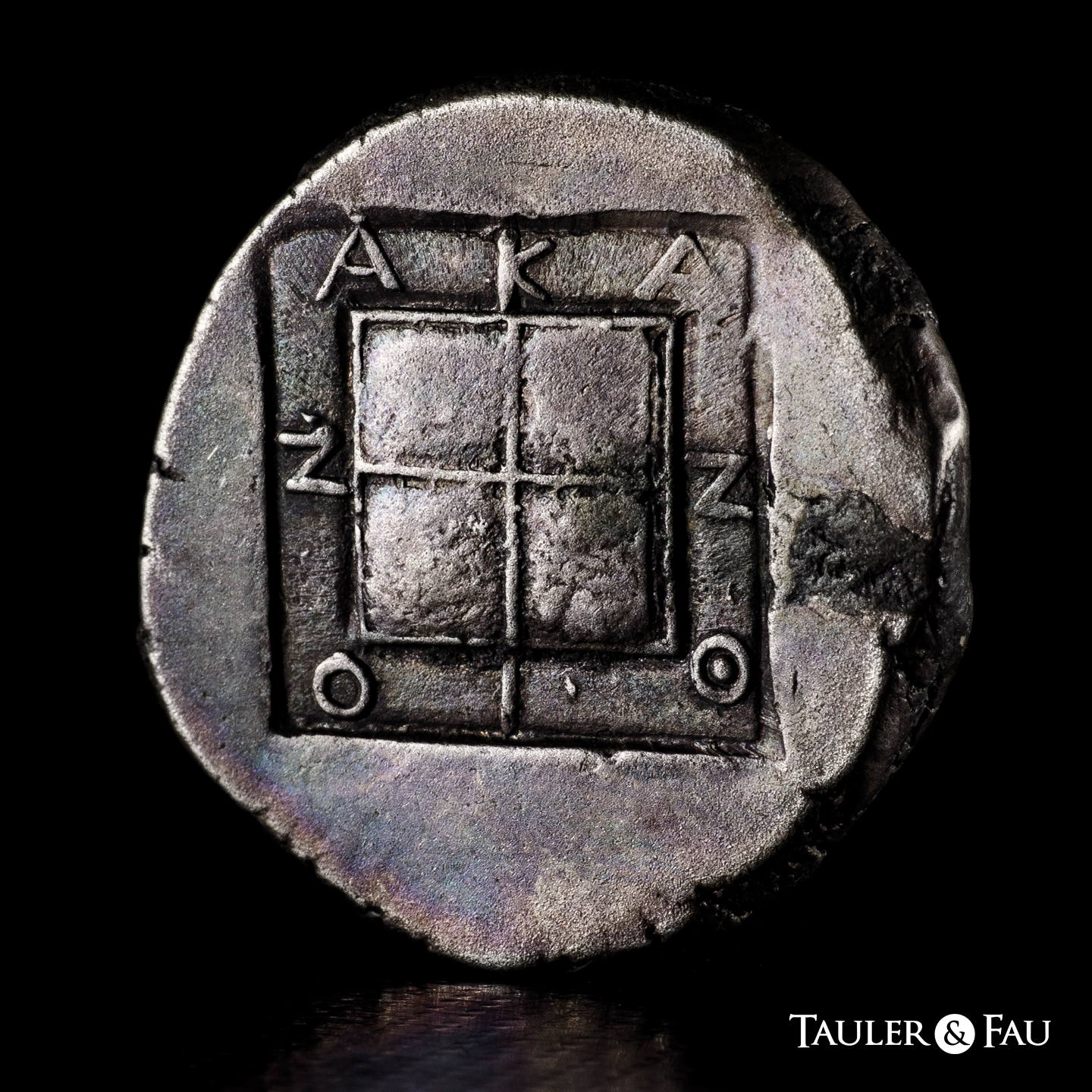
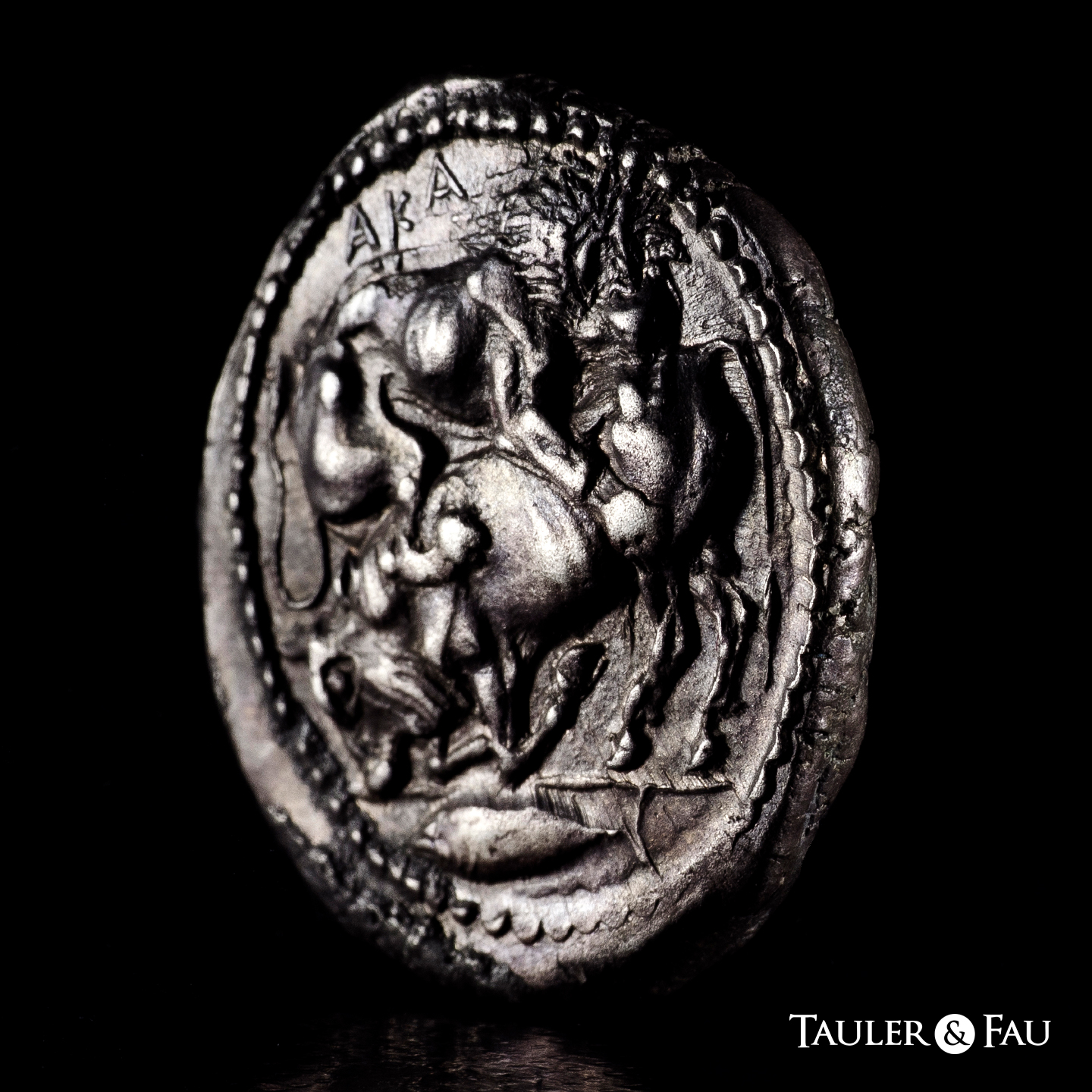
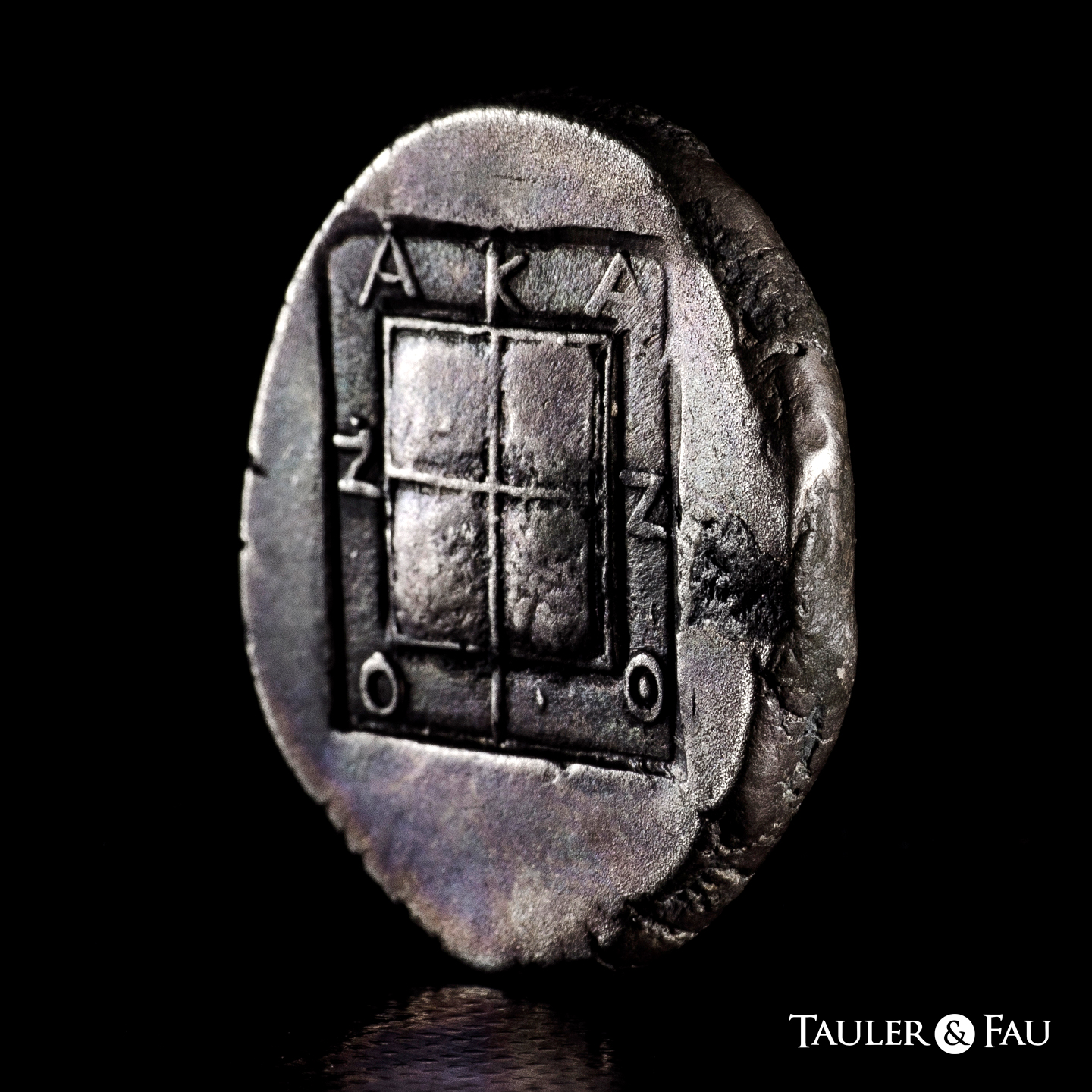
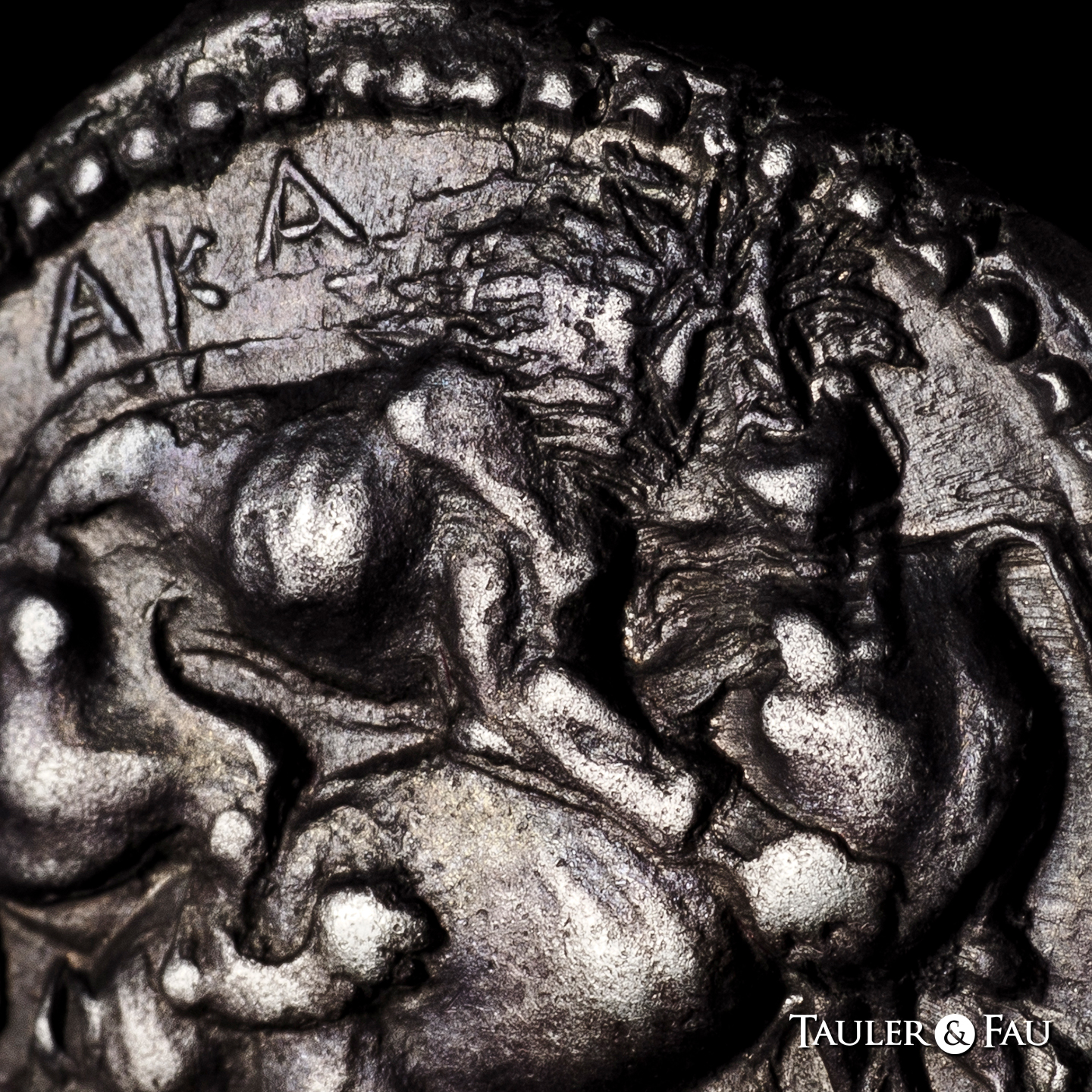
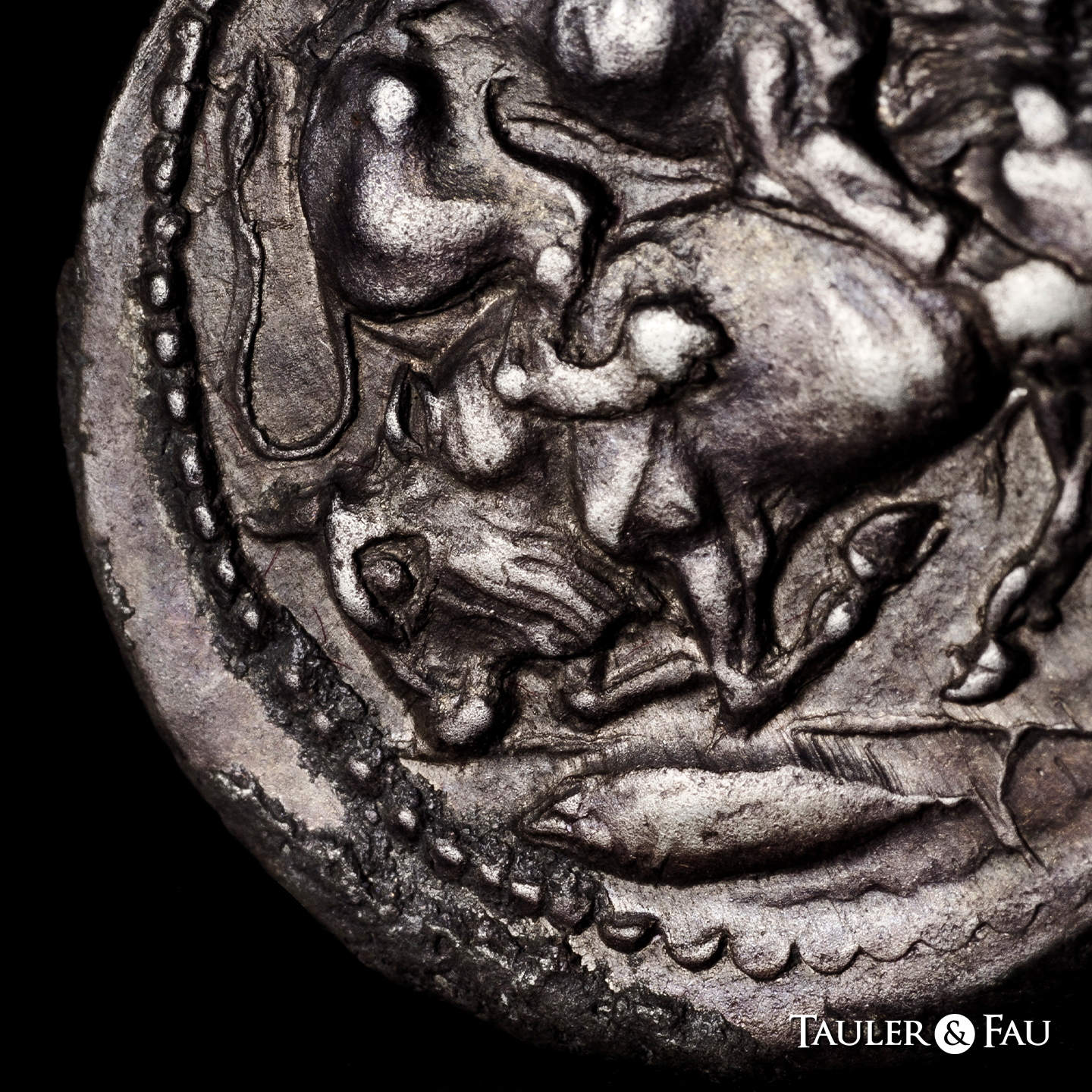
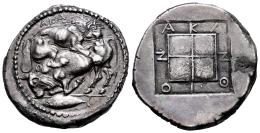
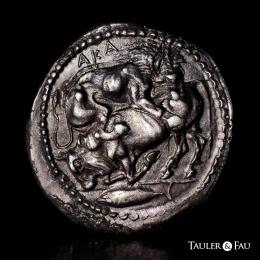
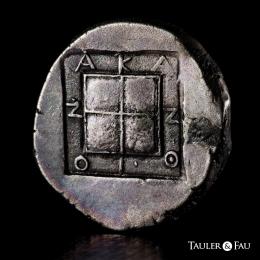
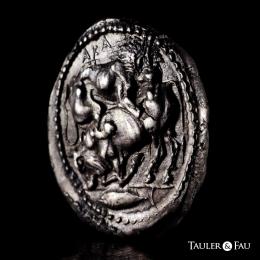
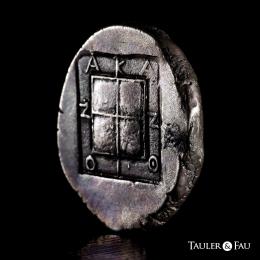
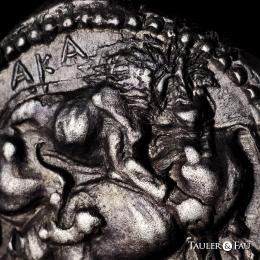
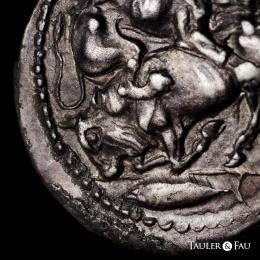
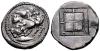
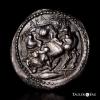
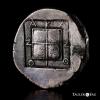
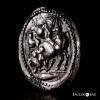
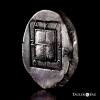
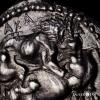
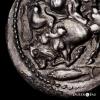
Macedon. Akanthos. Tetradrachm. 470-430 BC. (cf. Desneux-Unlisted. Type 92 similar obv.; quadripartite rev.). Anv.: Lion right, attacking bull crouching left, biting into its hindquarter; AKA above; in exergue, fish (Tunny?) left. Rev.: AKA-N-ΘIO-N in shallow incuse square around quadripartite square in relief. . 17,14 g.
Magnificent specimen of fine style, with deep reliefs and exceptionally fine engraving that reflects the mastery of classical art. Attractive, uniform toning enhances the details and depth of the design. Light deposits on the edge, of little significance and not detracting from its excellent eye appeal.
A similar specimen was offered by Classical Numismatic Group in Triton XXIII (January 2020), lot 186.
Akanthos was situated on the eastern coast of Chalcidice, near the narrowest point of the Athos peninsula. Tradition attributes its founding, around 655 BC, to colonists from Andros. Its economic development relied on exploiting local resources, including agriculture, timber from surrounding forests, and most notably, silver from deposits in the Thracian-Macedonian hinterland.
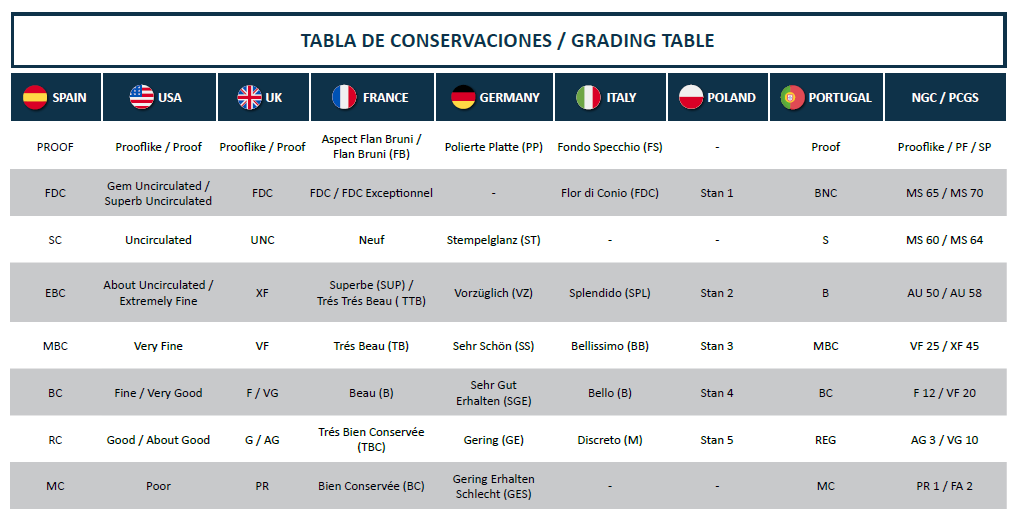
Akanthos was distinguished by its prolific coinage, particularly its tetradrachms from the Archaic and Classical periods. The wide distribution of these issues, evidenced by finds as far afield as Sicily, Egypt, and Persia, highlights the city's extensive commercial reach. Their presence in contexts so far removed from the local sphere suggests that many of these pieces circulated as minted silver, functioning more like monetized bullion than currency intended solely for local use. XF/Almost XF. Est...4000,00.
Auction Lots
Confirm your maximum bid
Confirm your maximum bid
Loading…
Conecting
Are you sure you want to buy the lot?
X
Confirm your maximum bid
Conecting